F1x Pomskies: The Ultimate Guide to Understanding this Popular Mix
As a professional breeder of pomskies, I am often asked about the different types of pomsky mixes that exist. One of the most popular mixes is the F1x pomsky, which is a first-generation cross between a Siberian Husky and a Pomeranian. In this comprehensive guide, we will explore everything you need to know about F1x pomskies, including their temperament, appearance, health, and how to care for them.
What is an F1x Pomsky?
An F1x pomsky is a first-generation cross between a purebred Siberian Husky and a purebred Pomeranian. This means that both parents are 100% purebred and have not been mixed with any other breeds. The resulting offspring will be 50% husky and 50% Pomeranian, which can lead to a wide range of physical and behavioral characteristics.
The Appearance of F1x Pomskies
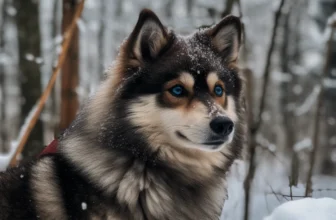
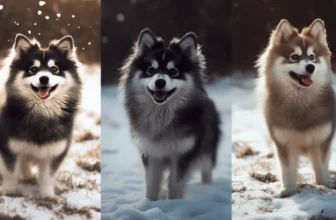
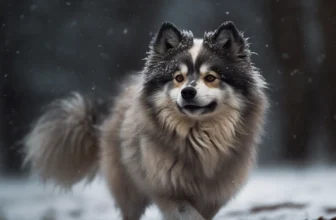
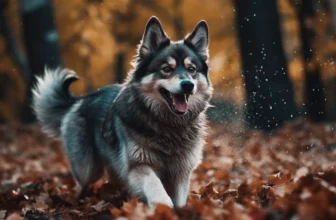
One of the most appealing aspects of F1x pomskies is their unique and adorable appearance. These dogs can vary greatly in size, ranging from small toy-sized dogs to medium-sized dogs that weigh up to 35 pounds. They also come in a variety of colors, including black, white, gray, brown, and cream.
When it comes to their coat type, F1x pomskies can either have a fluffy double coat like their husky parent or a thick single coat like their Pomeranian parent. Their eye color can also vary from blue like their husky parent or brown like their Pomeranian parent.
The Temperament of F1x Pomskies
Just like their physical appearance, the temperament of an F1x pomsky can also vary greatly. However, they are generally known to be intelligent, loyal, and affectionate dogs that make great family pets.
These dogs are also known for being active and playful, so they need plenty of exercise and mental stimulation to keep them happy and healthy. They also have a strong prey drive due to their husky heritage, so it’s important to socialize them early on with other animals and teach them how to behave around smaller pets.
The Health of F1x Pomskies
When it comes to the health of F1x pomskies, it’s important to remember that they are a mixed breed dog and can inherit health issues from both their husky and Pomeranian parents. Some common health concerns to watch out for include:
- Hip Dysplasia: This is a genetic condition that affects the hip joint and can lead to pain and mobility issues.
- Eye Problems: Both huskies and Pomeranians are prone to eye problems such as cataracts, glaucoma, and progressive retinal atrophy.
- Dental Issues: Small breeds like Pomeranians are prone to dental issues such as tooth decay, gum disease, and tooth loss.
To minimize the risk of these health issues in your F1x pomsky, it’s important to choose a reputable breeder who screens their dogs for these conditions before breeding. You should also make sure your dog receives regular veterinary check-ups and stays up-to-date on all necessary vaccinations.
Caring for F1x Pomskies
Caring for an F1x pomsky is similar to caring for any other dog. They need a balanced diet that is rich in protein and nutrients, daily exercise, regular grooming, and plenty of love and attention from their human family.
When it comes to grooming, F1x pomskies with a double coat will need more frequent brushing to prevent matting and tangles. They may also shed heavily during certain times of the year, so regular brushing can help keep shedding under control. F1x pomskies with a single coat will require less grooming but may still shed moderately.
It’s also important to socialize your F1x pomsky early on to help prevent behavioral issues such as aggression and separation anxiety. Training should be consistent, positive, and reward-based to help your dog learn good behavior habits.
Conclusion
F1x pomskies are a unique and adorable mix between a Siberian Husky and Pomeranian. While their physical appearance and temperament can vary greatly, they are generally known for being intelligent, loyal, and affectionate dogs that make great family pets. When caring for an F1x pomsky, it’s important to choose a reputable breeder, monitor their health closely, provide proper nutrition and exercise, and give them plenty of love and attention.