Introduction
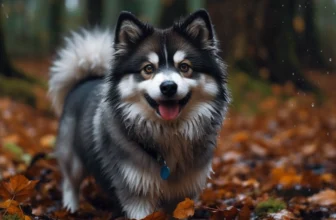
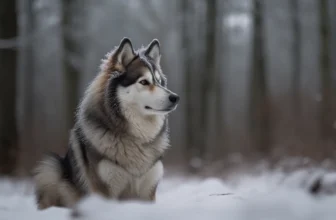
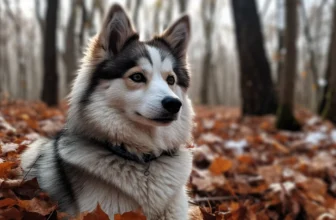
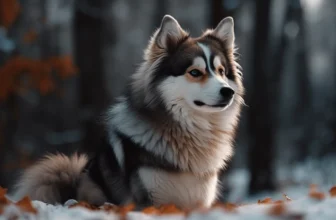
Pomsky breeding has become increasingly popular over the years, with many dog lovers falling in love with this adorable and playful breed. Pomskies are a crossbreed between a Pomeranian and a Siberian Husky, resulting in a small-sized dog with the looks of a husky and the personality of a Pomeranian.
If you’re interested in becoming a pomsky breeder or simply want to learn more about this breed, this article is for you. In this guide, we’ll cover everything you need to know about pomsky breeding and raising.
Part 1: Pomsky Breeding
1.1 Pomsky Genetics
Before we dive into the actual breeding process, it’s important to understand the genetics behind pomskies. As mentioned earlier, pomskies are a crossbreed between a Pomeranian and a Siberian Husky. The offspring of these two breeds can inherit traits from both parents, resulting in a unique mix of characteristics.
When breeding pomskies, it’s crucial to select healthy and genetically sound parent dogs. This means that both the Pomeranian and Siberian Husky should be free from any genetic disorders that may be passed on to their offspring.
1.2 Selecting Parent Dogs
Choosing the right parent dogs is one of the most important aspects of pomsky breeding. You want to ensure that both dogs have good temperaments, are healthy and free from any genetic disorders, and have desirable physical traits.
It’s also essential to consider the size difference between Pomeranians and Siberian Huskies when selecting parent dogs. The ideal weight for a pomsky is between 15-30 pounds, so it’s best to choose a smaller sized Siberian Husky as the parent dog.
1.3 Pomsky Breeding Process
The breeding process involves mating a male Pomeranian with a female Siberian Husky or vice versa. The female dog should be in heat, and the male should be introduced to her during this period. It’s important to monitor the dogs during mating to ensure that it’s successful.
Once the mating is successful, it’s essential to take care of the pregnant dog by providing proper nutrition and regular vet checkups. Most pomsky litters consist of 4-6 puppies, which are typically born after 63 days of gestation.
1.4 Pomsky Puppy Care
Taking care of pomsky puppies requires a great deal of attention and care. It’s crucial to keep them warm, clean, and well-fed. You’ll need to provide them with a comfortable and safe living space, as well as regular vet checkups.
Socializing your pomsky puppies from an early age is also essential. This means exposing them to different people, animals, and environments to help them become well-adjusted adult dogs.
Part 2: Raising Pomskies
2.1 Diet and Nutrition
Proper nutrition is crucial for maintaining the health and wellbeing of your pomsky. As a small-sized breed, they require a high-quality diet that provides all the necessary nutrients for growth and development.
It’s best to feed your pomsky a balanced diet consisting of high-quality protein sources, healthy fats, and complex carbohydrates. Avoid feeding them table scraps or human food as this could lead to obesity and other health issues.
2.2 Exercise Requirements
Pomskies are an active breed that requires regular exercise to remain healthy and happy. Daily walks or runs are recommended, along with playtime in a fenced backyard or designated dog park.
Keep in mind that pomskies are prone to overheating, so it’s essential to exercise them during the cooler parts of the day and provide plenty of water.
2.3 Training and Socialization
Training and socializing your pomsky from an early age is crucial for their development. They respond well to positive reinforcement training techniques and enjoy learning new tricks and commands.
Socializing your pomsky involves exposing them to different people, animals, and environments to help them become well-adjusted adult dogs. This will also help prevent behavioral issues such as aggression or anxiety.
2.4 Grooming Requirements
Pomskies have a thick double coat that requires regular brushing to prevent matting and tangles. They shed moderately year-round, with heavier shedding occurring twice a year during seasonal changes.
It’s important to keep their ears clean and free from infection, trim their nails regularly, and brush their teeth daily to prevent dental problems.
Conclusion
Breeding and raising pomskies can be a rewarding experience for dog lovers who are passionate about this breed. It’s important to select healthy parent dogs, provide proper care during pregnancy, and take good care of your pomsky puppies as they grow.
Remember to feed your pomsky a balanced diet, provide regular exercise, training, and socialization, and maintain good grooming habits. With proper care and attention, your pomsky will thrive as a happy and healthy companion for years to come.