Introduction
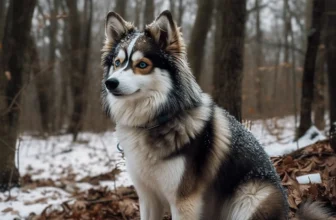
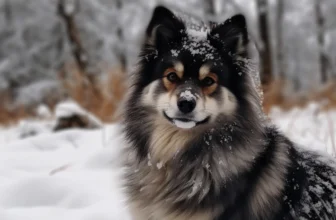
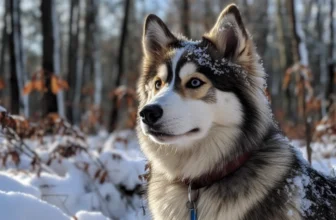
Pomskies are a hybrid breed between Pomeranians and Siberian Huskies. They are one of the newest designer breeds and have gained immense popularity in recent years. Pomskies are known for their adorable looks, friendly temperament, and playful behavior. However, as with any breed, they also have some unique characteristics that potential owners should be aware of before bringing one home.
One common question that many people ask is whether pomskies howl. In this article, we will explore the pomsky temperament and behavior to understand if/how much they howl and what factors can affect their vocalization.
The Pomsky Temperament
Pomskies are generally friendly and affectionate dogs that love attention from their owners. They are intelligent and eager to please, making them easy to train. Pomskies thrive on human interaction and make great family pets.
However, as with any breed, there can be variations in temperament among individual pomskies. Some may be more reserved or independent than others. It is important to socialize your pomsky early on to ensure they grow up to be confident and well-adjusted dogs.
Factors That Affect Pomsky Behavior
There are several factors that can impact a pomsky’s behavior, including:
- Genetics: As a hybrid breed, pomskies inherit traits from both parent breeds. This can result in a wide range of temperaments and behaviors.
- Socialization: Early socialization is critical for all dogs but especially for pomskies. Proper socialization helps them learn how to interact with other dogs and people in a positive way.
- Training: Consistent training helps pomskies learn basic obedience commands and establishes boundaries within the household.
- Environment: The environment in which a pomsky lives can also affect their behavior. A calm and structured home will help them feel secure, while a chaotic or unpredictable environment may cause anxiety or stress.
Do Pomskies Howl?
Huskies are known for their howling, so it’s natural to wonder if pomskies inherit this trait from their husky parent.
The short answer is that pomskies do have the potential to howl, but it is not as common as it is with huskies. Pomskies are more likely to bark than to howl, but this can vary among individual dogs.
The amount a pomsky howls can also depend on several factors including:
- Genetics: As mentioned earlier, pomskies inherit traits from both parent breeds. If your pomsky has more husky traits, they may be more prone to howling.
- Environment: If your pomsky feels anxious or stressed, they may be more likely to vocalize through howling or barking.
- Boredom: Pomskies are intelligent dogs that need mental stimulation. If they are bored or not getting enough exercise, they may become vocal as a way to release pent-up energy.
Tips for Understanding and Managing Pomsky Vocalization
If you are concerned about your pomsky’s vocalization or want to prevent excessive barking/howling, here are some tips:
- Exercise: Regular exercise and playtime will help keep your pomsky physically and mentally stimulated. This can reduce boredom-related vocalization.
- Training: Consistent training helps establish boundaries within the household and teaches your pomsky when barking/howling is appropriate.
- Socialization: Proper socialization helps your pomsky feel more confident and less anxious around other dogs and people. This can reduce stress-related vocalization.
- Environment: Creating a calm and structured home environment will help your pomsky feel secure and reduce anxiety-related vocalization.
Conclusion
In conclusion, pomskies have the potential to howl but it is not as common as it is with huskies. Pomskies are more likely to bark than to howl, but this can vary among individual dogs.
Understanding the factors that affect pomsky behavior and managing their vocalization through exercise, training, socialization, and creating a calm environment will help ensure a happy and well-adjusted pomsky. As with any breed, it’s important to do your research and consider all aspects of the breed before bringing a pomsky into your home.