Introduction
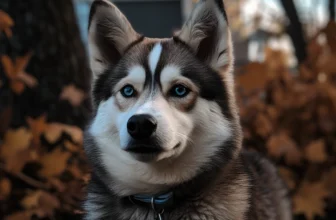
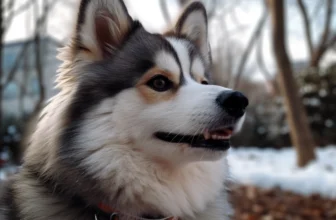
Pomsky puppies are a crossbreed between the Pomeranian and the Siberian husky. They have become increasingly popular over the last decade, primarily due to their cute looks and playful personalities. However, many people wonder whether they are hypoallergenic or not. In this article, we will explore the topic of Pomsky puppies and whether they are hypoallergenic.
What Does Hypoallergenic Mean?
Before we delve into the topic of Pomsky puppies and hypoallergenicism, let us first define what it means for a dog breed to be hypoallergenic. A hypoallergenic dog breed is one that produces fewer allergens than other breeds. Allergens are substances that can cause an allergic reaction in some people. These allergens can come from various sources such as pet dander, saliva, urine, and sweat.
When it comes to dogs, allergens are primarily found in their skin cells or dander. When dogs shed their fur or groom themselves, these allergens get released into the air and can cause allergic reactions in some people. Therefore, hypoallergenic dog breeds are those that produce less dander than other breeds.
Are Pomsky Puppies Hypoallergenic?
The short answer is no; Pomsky puppies are not hypoallergenic. Both Pomeranians and Siberian Huskies shed heavily throughout the year. Therefore, their offspring – Pomsky puppies – will also shed extensively.
However, it is essential to note that while all dogs produce some level of allergens, different individuals may react differently to them. Some people may be more sensitive to certain breeds than others. Therefore, even if a dog breed is not considered hypoallergenic, some people may still find them tolerable.
Factors That Determine Allergenicity
While no dog breed can be entirely hypoallergenic, some factors can determine how allergenic a particular breed or individual dog is. These include:
Coat Type
Dogs with non-shedding coats, such as those found in Poodles and Bichon Frises, produce fewer allergens than dogs with shedding coats. However, even non-shedding breeds still produce some level of allergens.
Gender
Male dogs tend to produce more allergens than females. This is because male dogs have higher levels of testosterone, which increases the production of skin cells and dander.
Age
Puppies produce fewer allergens than adult dogs. As they mature and their skin cells multiply, they start producing more allergens.
Grooming Habits
Proper grooming practices, such as regular baths and brushing, can help reduce the amount of dander that a dog produces.
Pomsky Allergenicity
While Pomsky puppies are not considered hypoallergenic, some factors may make them less allergenic than other breeds. For instance:
Coat Type
Pomskies can inherit either the Pomeranian’s thick double coat or the Husky’s dense undercoat. The type of coat that a Pomsky inherits will determine how much they shed.
If your Pomsky inherits the Pomeranian’s coat type, they will shed moderately throughout the year. However, if your Pomsky inherits the Husky’s dense undercoat, they will shed heavily twice a year during seasonal changes.
Size
Pomskies are small to medium-sized dogs that weigh between 20-30 pounds. This means that they have less surface area for allergens to accumulate than larger breeds.
Grooming Habits
Regular grooming practices, such as brushing and bathing, can help reduce the amount of dander that a Pomsky produces. Additionally, keeping your home clean and vacuumed can also help reduce allergen buildup.
Conclusion
In summary, Pomsky puppies are not considered hypoallergenic. While they may shed less than other breeds due to their size and coat type, they still produce allergens that can cause allergic reactions in some people. However, with proper grooming practices and a clean living environment, you can minimize the amount of dander that your Pomsky produces.
If you have allergies and are considering getting a Pomsky puppy, it is essential to spend some time around the breed before making a final decision. This will give you an opportunity to gauge how your body reacts to them.
Remember, no dog breed is entirely hypoallergenic. Therefore, if you have severe allergies, it may be best to consider other pets or speak with an allergist before bringing a dog into your home.