Arlo the Pomsky: A Comprehensive Guide to Understanding Pomsky Mixes
Pomskies are a relatively new breed of dog that has gained popularity in recent years. These adorable pups are a mix between a Pomeranian and a Siberian Husky, resulting in a small and fluffy dog with the temperament of a husky.
History of Pomskies
The first known Pomsky litter was born in 2009, but the breed didn’t gain widespread recognition until several years later. The goal was to create a smaller version of the Siberian Husky for those who loved their temperament but couldn’t accommodate their size.
Due to their popularity, many breeders started producing Pomskies without taking into account proper breeding practices. This led to health issues and temperament problems in some dogs.
Appearance
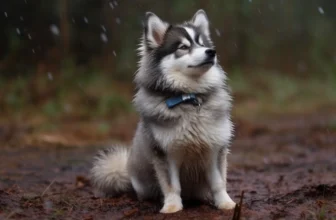
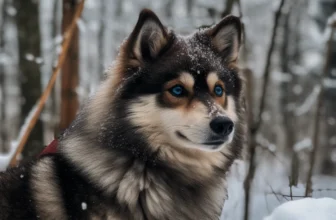
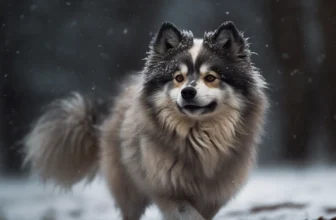
Pomskies can vary greatly in appearance, depending on which parent they take after. They typically weigh between 20-30 pounds and stand around 10-15 inches tall at the shoulder.
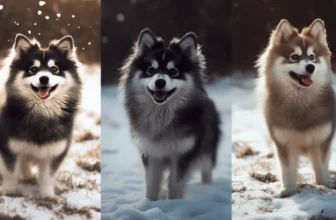
Their coat can come in a variety of colors, including black, white, grey, brown, and red. They have a thick double coat that sheds moderately year-round and heavily during shedding season.
Temperament
Pomskies have a friendly and playful personality, making them great family pets. They are loyal to their owners and love attention.
However, it’s important to note that they can inherit the independent nature of their husky parent. This means they may not always obey commands and can be difficult to train if not properly socialized from a young age.
Health Concerns
As with any mixed breed dog, Pomskies can inherit health issues from both parents. It’s important to choose a reputable breeder who performs health screenings on their breeding dogs to minimize the risk of passing on genetic disorders.
Some common health concerns in Pomskies include hip dysplasia, eye problems, and allergies.
Care and Maintenance
Pomskies require regular grooming to keep their coat healthy and reduce shedding. They should be brushed at least once a week and bathed every few months.
They also need daily exercise and mental stimulation to prevent boredom and destructive behavior. A fenced yard is ideal for them to run around in, but they can adapt to apartment living as long as they get enough exercise.
It’s important to provide them with high-quality dog food that meets their nutritional needs, as well as regular vet check-ups and vaccinations.
Training
Pomskies can be difficult to train due to their independent nature. It’s important to start training them from a young age using positive reinforcement methods. Consistency is key, and it may take longer for them to learn commands than some other breeds.
Socialization is also crucial for Pomskies, as they can be wary of strangers if not properly introduced during their critical socialization period.
Conclusion
If you’re considering adding a Pomsky to your family, it’s important to do your research and choose a reputable breeder who prioritizes the health and well-being of their dogs.
While they may require more effort in terms of training and grooming compared to some other breeds, they are loyal and affectionate pets that make great companions for those willing to put in the time and effort.