Introduction
Pomskies are a relatively new breed that has gained popularity in recent years. They are a cross between a Pomeranian and a Siberian Husky, resulting in a small to medium-sized dog with the appearance of a husky but the temperament of a Pomeranian.
As a professional breeder for pomsky, it is essential to understand the breeding standards that go into creating these beautiful puppies. In this article, we will outline how pomsky puppies are made and what standards must be met to ensure healthy and happy puppies.
Understanding the Breeding Process
The first step in creating a pomsky puppy is selecting the right parents. Both the Pomeranian and Siberian Husky must meet certain criteria to be considered for breeding.
Pomeranians: These dogs should weigh between 3-7 pounds and have a thick double coat of fur. They should be friendly, outgoing, and have no major health issues such as hip dysplasia or heart disease.
Siberian Huskies: These dogs should weigh between 35-60 pounds and have a thick double coat of fur. They should also be friendly, outgoing, and free from major health issues like hip dysplasia or eye problems.
Once two suitable dogs are identified, they can be bred together using artificial insemination. This process ensures that the sperm from the male dog is delivered directly to the female’s uterus, increasing the chances of pregnancy.
The Pomsky Litter
After about two months, the female dog will give birth to a litter of pomsky puppies. The size of the litter will depend on the size of both parents and can range from one to six puppies. On average, most litters contain three or four puppies.
It is important to note that not all pomsky puppies will look the same. Due to the nature of crossbreeding, each puppy can inherit different traits from each parent. Some puppies may look more like a Pomeranian, while others may resemble a husky.
Health Standards
As a professional breeder, it is crucial to ensure that all pomsky puppies are healthy and free from any genetic diseases or health issues. To do this, breeders must follow strict health standards when breeding their dogs.
Health Testing: Both the Pomeranian and Siberian Husky should undergo health testing before being bred. This includes testing for hip dysplasia, eye problems, heart disease, and other genetic disorders that could be passed down to the puppies.
Vaccinations: Pomsky puppies should receive their first set of vaccinations at six weeks old. These will protect them from common canine diseases such as parvovirus and distemper.
Deworming: All pomsky puppies should be dewormed at two, four, six, and eight weeks old to prevent parasitic infestations.
Pomsky Appearance Standards
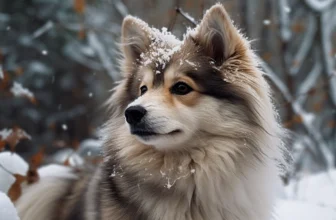
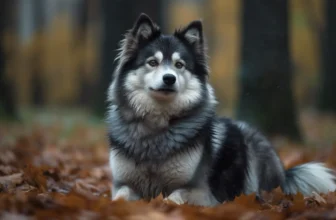
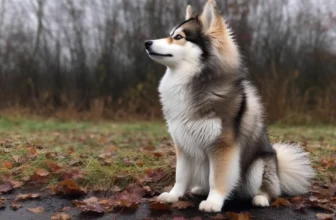
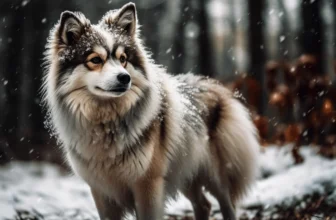
Pomskies are known for their unique appearance, which combines the features of both a Pomeranian and Siberian Husky. However, not all pomskies will look exactly alike. There are certain appearance standards that breeders strive to meet when producing these puppies.
Coat: Pomskies should have a thick double coat of fur that is soft and fluffy. The fur can come in a variety of colors, including black, white, brown, gray, and cream.
Ears: Pomskies should have erect ears that stand up straight. They should not flop over or hang down.
Eyes: Pomskies should have almond-shaped eyes that are blue or brown. Heterochromia, or different-colored eyes, is also common in this breed.
Size: Pomskies can vary in size depending on the size of their parents. On average, they will weigh between 15-30 pounds and stand between 10-15 inches tall.
Pomsky Temperament Standards
Pomskies are known for their friendly and outgoing personalities. They are affectionate towards their owners and enjoy spending time with their families. However, not all pomskies will have the same temperament. There are certain standards that breeders should strive to meet when producing these puppies.
Socialization: Pomsky puppies should be socialized from a young age to ensure that they are comfortable around people and other animals.
Temperament Testing: Breeders can perform temperament testing on their puppies to assess their personality traits. This can help them match each puppy with the right family based on their needs and lifestyle.
Training: Pomskies should be trained using positive reinforcement techniques such as treats and praise. They are intelligent dogs that enjoy learning new things.
Conclusion
Pomsky breeding requires careful consideration of both health and appearance standards. As a professional breeder, it is important to understand how pomsky puppies are made and what standards must be met to ensure healthy and happy puppies.
By following strict health standards, breeders can produce pomsky puppies that are free from genetic diseases and health issues. By striving to meet appearance and temperament standards, breeders can produce pomsky puppies that are unique, friendly, and well-suited for families.
In conclusion, pomsky breeding is a complex process that requires dedication, knowledge, and passion for the breed. Through careful planning and attention to detail, breeders can create beautiful pomsky puppies that bring joy and companionship to families across the country.