Introduction
Welcome to our comprehensive guide on pomskies, a fascinating and increasingly popular designer breed that combines the charm of Pomeranians with the beauty of Siberian Huskies. In this article, we will cover everything you need to know about pomskies, from their personality traits to breeding standards.
The Origin of Pomskies
Pomskies are a relatively new breed that emerged in the early 2000s as a result of crossbreeding between Pomeranians and Siberian Huskies. The goal was to create a smaller version of the husky with the adorable features of the Pomeranian. Since then, pomskies have gained immense popularity among dog lovers worldwide.
Personality Traits
Pomskies inherit various personality traits from both parent breeds, making them unique and captivating pets. Here are some key characteristics:
- Intelligent: Pomskies are highly intelligent dogs who quickly grasp commands and enjoy mental stimulation.
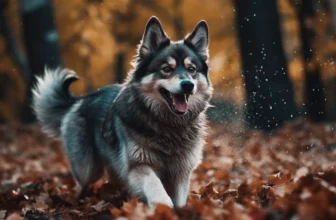
- Energetic: They have an abundance of energy inherited from their husky lineage and require regular exercise and playtime.
- Loyal: Pomskies form strong bonds with their owners and are known for their loyalty and devotion.
- Affectionate: They love being around people and thrive on attention, enjoying cuddles and affectionate gestures.
- Playful: Pomskies have a playful nature, often engaging in games or interactive toys to keep themselves entertained.
- Alert: They have a keen sense of observation and make excellent watchdogs, alerting their owners when something seems amiss.
Physical Characteristics
Pomskies generally exhibit a mix of physical features from both parent breeds. While their appearance may vary, here are some common characteristics:
- Size: Pomskies come in different sizes, ranging from small to medium. Their size is influenced by the breeding ratio between Pomeranians and Siberian Huskies.
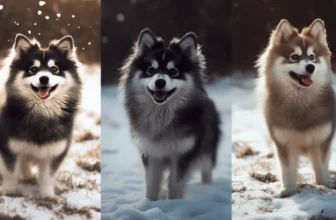
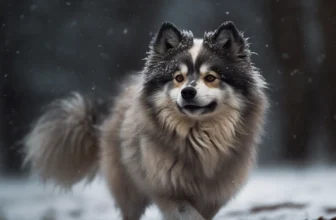
- Coat: They often possess a thick double coat, which can have various colors, including white, black, gray, brown, or a combination of these.
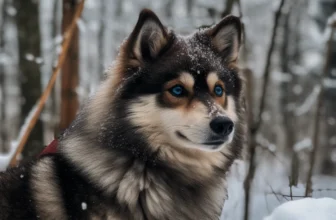
- Eyes: Pomskies usually inherit the striking blue eyes of their husky ancestors. However, some may have different eye colors or heterochromia (two different-colored eyes).
- Facial Features: Their faces often bear resemblance to both Pomeranians and huskies, with a fox-like expression and erect ears.
Breeding Standards
Breeding pomskies requires careful planning and adherence to specific standards to maintain the breed’s health and desirable traits. Here are some essential considerations for breeders:
- Health Screening: Responsible breeders ensure that both parent dogs undergo thorough health screenings to minimize the risk of passing on hereditary diseases or conditions.
- Genetic Testing: Genetic testing helps identify potential genetic disorders present in the parent dogs and allows breeders to make informed decisions during the breeding process.
- Size and Weight: Breeders carefully select parent dogs to achieve the desired size range, considering factors such as height and weight ratios between Pomeranians and huskies.
- Temperament: Breeding pomskies with excellent temperaments is crucial to maintaining their friendly, affectionate, and sociable nature.
- Coat Quality: Breeders aim for pomskies with a full and luxurious double coat, ensuring proper grooming requirements are met.
Breeding Process
The breeding process involves selecting suitable parent dogs based on health, temperament, and physical attributes. It is essential to choose reputable breeders who prioritize the welfare of their dogs and follow ethical breeding practices. Pomsky litters can vary in size, typically ranging from three to seven puppies.
After birth, the puppies require meticulous care, including regular veterinary check-ups, vaccinations, socialization, and a nurturing environment. Responsible breeders ensure that each puppy finds a loving home where they will receive proper care and attention.
Pomsky Care and Training
Pomskies require dedicated care to thrive both physically and mentally. Here are some important aspects of their care:
- Diet: Providing a balanced diet that meets their nutritional needs is crucial for pomsky health. Consult with a veterinarian for guidance on suitable food choices.
- Exercise: Regular exercise is necessary to keep your pomsky physically active and mentally stimulated. Daily walks, play sessions, or even agility training can help meet their exercise requirements.
- Grooming: Pomskies often have a thick double coat that requires regular brushing to prevent matting and keep their fur healthy. Nail trimming, teeth brushing, and ear cleaning should also be a part of their grooming routine.
- Training: Pomskies excel in obedience training and can quickly learn commands. Consistency, positive reinforcement, and early socialization are essential for their development into well-behaved pets.
- Healthcare: Regular veterinary check-ups, vaccinations, preventive treatments for parasites, and timely healthcare interventions are vital for maintaining your pomsky’s overall health and well-being.
Conclusion
Pomskies are truly captivating companions with their unique blend of Pomeranian and Siberian Husky traits. Whether you’re considering adding a pomsky to your family or have already welcomed one into your home, understanding their personality traits, physical characteristics, breeding standards, care requirements, and training needs is essential for providing them with a fulfilling and happy life. Remember to choose reputable breeders and prioritize responsible ownership to ensure the well-being of these lovable designer dogs.