Alena Wedderburn’s Guide to Pomskies: Everything You Need to Know
About the Author
Alena Wedderburn is a professional breeder specializing in pomskies. With over a decade of experience, she has become an expert in the field and is dedicated to providing valuable information and guidance to fellow dog lovers.
Introduction
The pomsky, also known as a Pomeranian Husky mix, is a relatively new and increasingly popular designer breed. They are a cross between a Siberian Husky and a Pomeranian, resulting in an adorable small to medium-sized dog with striking looks and charming personality.
History of Pomskies
The history of pomskies dates back to the early 2000s when breeders started experimenting with crossing Pomeranians and Siberian Huskies. The goal was to create a smaller-sized husky-like dog that would be suitable for apartment living while retaining the desirable characteristics of both parent breeds.
Characteristics of Pomskies
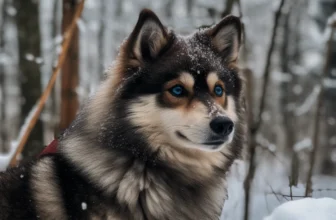
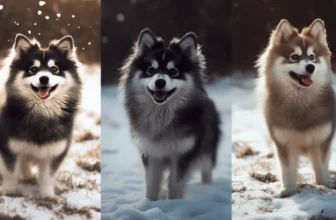
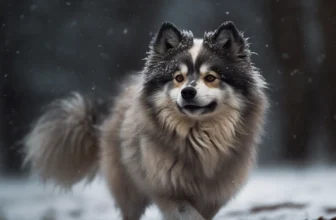
- Pomskies are known for their stunning appearance with a fluffy coat, erect ears, and expressive eyes.
- They come in various colors and patterns, including black, white, gray, brown, and cream.
- Pomskies have a compact yet muscular body, inheriting traits from both parent breeds.
- They are intelligent, alert, and highly trainable.
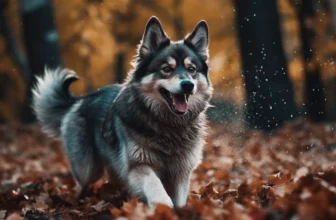
- Pomskies have a friendly and playful nature, making them great companions for individuals and families alike.
Temperament
The temperament of a Pomsky can vary depending on the individual dog’s genetic makeup. However, they generally exhibit a combination of traits from both Pomeranians and Siberian Huskies.
Personality Traits
Pomskies are known to be outgoing, friendly, and sociable. They thrive on human interaction and enjoy being part of the family. These dogs are often described as affectionate and loyal companions who form strong bonds with their owners.
Energy Levels
Pomskies have moderate to high energy levels, requiring regular exercise and mental stimulation. Daily walks, playtime, and interactive toys are essential to keep them physically and mentally engaged.
Caring for Your Pomsky
Feeding
Providing a well-balanced diet is crucial to your Pomsky’s health and wellbeing. A high-quality dog food that meets their nutritional needs should be chosen. Consult with your veterinarian for specific dietary recommendations based on your dog’s age, size, and activity level.
Grooming
Pomskies have a thick double coat that requires regular grooming to keep it in good condition. Brushing their fur several times a week helps prevent matting and keeps shedding under control. Additionally, routine nail trimming, teeth brushing, and ear cleaning should be part of their grooming routine.
Training
Training is essential for a well-behaved and obedient Pomsky. These dogs are intelligent and eager to please, making them relatively easy to train with positive reinforcement techniques. Early socialization and consistent training from an early age are crucial to ensure they grow into well-rounded adult dogs.
Health Concerns
Pomskies, like any other breed, may be prone to certain health issues. It’s important to be aware of these potential concerns and take proactive measures to maintain their overall health.
Common Health Problems in Pomskies
- Patellar Luxation: This condition affects the kneecap and can cause lameness or discomfort.
- Eye Problems: Pomskies may inherit eye conditions such as cataracts or progressive retinal atrophy (PRA).
- Dental Issues: Due to their small size, Pomskies are susceptible to dental problems like overcrowding or tooth decay.
- Allergies: Some Pomskies may develop allergies, including food allergies or environmental allergies.
Veterinary Care
Regular veterinary check-ups, vaccinations, and preventive treatments are essential for maintaining your Pomsky’s health. Establishing a good relationship with a trusted veterinarian will ensure that any potential health issues are detected early and appropriate care is provided.
Finding a Reputable Pomsky Breeder
When considering adding a pomsky to your family, it’s crucial to find a reputable breeder who prioritizes the health and welfare of their dogs. Here are some key factors to consider:
- Health Testing: A responsible breeder conducts health tests on the parent dogs to screen for any genetic conditions.
- Living Conditions: The breeding facilities should be clean, spacious, and provide a suitable environment for the dogs.
- References and Reviews: Look for breeders with positive reviews and satisfied customers who have acquired healthy and well-socialized Pomskies.
- Transparent Communication: A reputable breeder will be open and transparent about their breeding practices, including the lineage and health history of their dogs.
Conclusion
Pomskies are undoubtedly charming and captivating dogs that make wonderful companions. However, it’s important to understand their unique needs and requirements before bringing one into your home. With this comprehensive guide by Alena Wedderburn, you now have all the information you need to embark on an exciting journey with a Pomsky as your loyal furry friend!