Introduction
Welcome to Acacia Pomskies, your ultimate guide to raising a Pomsky – the adorable and unique crossbreed between a Pomeranian and a Siberian Husky. In this comprehensive guide, we will provide you with all the information you need to know about these lovable companions, from their origins and characteristics to their care, training, and health requirements.
Table of Contents:
- 1. Origins of Pomskies
- 2. Characteristics of Pomskies
- 3. Choosing a Pomsky Puppy
- 4. Preparing Your Home for a Pomsky
- 5. Feeding and Nutrition
- 6. Exercise and Mental Stimulation
- 7. Grooming Needs
- 8. Training Your Pomsky
- 9. Socializing Your Pomsky
- 10. Health Care and Common Issues
- 11. Breeding Pomskies Responsibly
- 12. Conclusion
1. Origins of Pomskies
The Pomsky is a relatively new designer breed that originated in the early 2000s. The goal was to create a small-sized dog with the striking appearance of a Siberian Husky but with a more manageable size for families living in apartments or smaller homes.
The crossbreeding between Pomeranians and Siberian Huskies resulted in the Pomsky, which quickly gained popularity due to its adorable looks and friendly temperament.
2. Characteristics of Pomskies
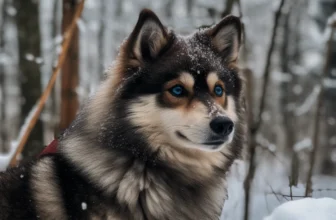
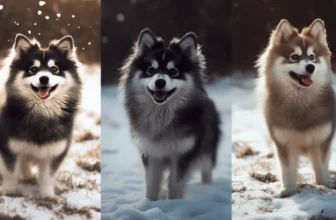
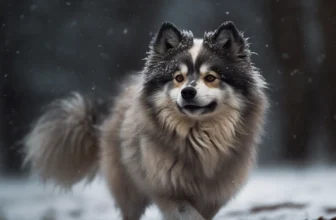
Pomskies inherit various traits from both parent breeds. They are typically small to medium-sized dogs, weighing between 10 to 30 pounds (4.5 to 13.6 kilograms). Their appearance can vary greatly, as they may resemble either parent more closely.
Pomskies have a thick double coat that requires regular grooming. They come in various colors and patterns, including black, gray, white, and brown, often with stunning markings.
2.1 Temperament
Pomskies are known for their playful and energetic nature. They are intelligent dogs that love to be part of the family and enjoy participating in various activities. However, it’s essential to note that each Pomsky may have unique personality traits influenced by their individual genetics.
2.2 Exercise Needs
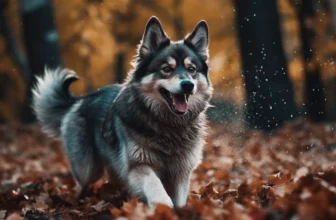
Pomskies require regular exercise to keep them physically fit and mentally stimulated. Daily walks, playtime sessions, and interactive toys are essential for their overall well-being.
2.3 Training Potential
Due to their intelligence and eagerness to please, Pomskies generally respond well to training. Early socialization and consistent positive reinforcement techniques are crucial for shaping their behavior from an early age.
3. Choosing a Pomsky Puppy
When selecting a Pomsky puppy, it’s essential to research and find reputable breeders like Acacia Pomskies who prioritize the health and well-being of their dogs. Look for breeders who provide proper documentation, health guarantees, and allow you to meet the puppy’s parents.
3.1 Health Checks
Pomskies can be prone to certain health issues inherited from their parent breeds. It’s crucial to ensure that the breeder performs health checks on both the Pomeranian and Siberian Husky parents to reduce the risk of genetic conditions.
3.2 Assessing Temperament
Interacting with the puppies and observing their behavior can give you valuable insights into their temperament. Choose a puppy that is curious, friendly, and displays a willingness to engage with humans.
4. Preparing Your Home for a Pomsky
Prior to bringing your Pomsky home, it’s important to create a safe and comfortable environment for them. Puppy-proofing your home, setting up a designated sleeping area, and providing appropriate toys are some key steps in preparing your home for a new furry family member.
5. Feeding and Nutrition
A well-balanced diet is essential for keeping your Pomsky healthy and active. Consult with your veterinarian or breeder to determine the best type of food, portion sizes, and feeding schedule suitable for your Pomsky’s age, size, and activity level.
6. Exercise and Mental Stimulation
Pomskies have moderate exercise needs and enjoy a mix of physical activities and mental stimulation. Regular walks, interactive playtime, puzzle toys, and training sessions help keep them mentally and physically engaged.
7. Grooming Needs
Pomskies have a thick double coat that requires regular grooming to prevent matting and maintain its overall health. Brush their fur at least once or twice a week, trim their nails regularly, clean their ears, and brush their teeth to ensure good oral hygiene.
8. Training Your Pomsky
Training is an essential aspect of raising a well-behaved Pomsky. Start with basic obedience commands such as sit, stay, and come. Consistency, positive reinforcement, and patience are key when training your Pomsky.
9. Socializing Your Pomsky
Pomskies benefit greatly from early socialization with other dogs, animals, and various environments. Introduce them to new experiences gradually, exposing them to different sights, sounds, and people to help build their confidence and reduce the likelihood of behavioral issues.
10. Health Care and Common Issues
Pomskies may be prone to certain health conditions inherited from their parent breeds. Regular veterinary check-ups, vaccinations, parasite prevention treatments, and maintaining a healthy diet are crucial for ensuring their well-being.
10.1 Genetic Health Issues
Some common genetic health issues in Pomskies include hip dysplasia, eye problems, dental issues, allergies, and skin conditions. Responsible breeding practices can help minimize the risk of these conditions.
10.2 Spaying or Neutering
Discuss the appropriate time for spaying or neutering your Pomsky with your veterinarian. This procedure not only prevents unwanted pregnancies but also has potential health benefits for your pet.
11. Breeding Pomskies Responsibly
As a professional breeder, Acacia Pomskies prioritizes responsible breeding practices. Breeding Pomskies involves careful selection of healthy parent dogs, genetic testing, proper prenatal care for the mother, and providing a nurturing environment for the puppies.
12. Conclusion
We hope this ultimate guide to raising a Pomsky has provided you with valuable insights and information about these wonderful companions. Remember that owning a Pomsky requires commitment, love, and proper care to ensure they live happy and fulfilling lives as part of your family.