Introduction
A pomsky mix, also known as a Pomeranian Husky, is an adorable and unique designer dog breed that has gained popularity in recent years. This crossbreed is a combination of the playful and energetic Pomeranian and the strong and intelligent Siberian Husky. If you are considering bringing home a pomsky, there are several important factors you should consider before making your decision.
1. The Appearance of Pomskies
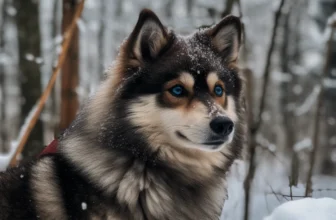
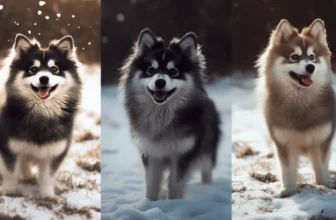
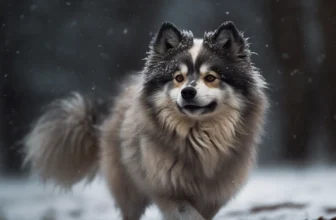
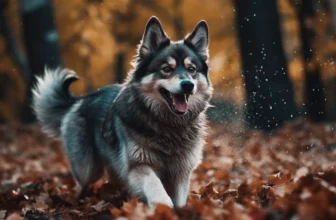
Pomskies come in a variety of sizes, colors, and coat types. They can range from small to medium-sized dogs, with an average weight between 20 to 30 pounds. Their coats can be long or short, and they often have beautiful markings resembling those of their Husky parent.
1.1 Coat Colors
Pomskies can have a wide range of coat colors including black, white, gray, brown, red, cream, and sable. Some pomskies may even have striking blue or multicolored eyes inherited from their Husky lineage.
1.2 Coat Maintenance
Their coats require regular brushing to prevent matting and to keep them looking their best. Pomskies shed moderately throughout the year but tend to blow their coats twice a year during shedding seasons.
2. Temperament and Personality Traits
Pomskies are known for their friendly and affectionate nature. They are sociable dogs that enjoy being around people and other pets. However, it’s important to note that each pomsky can inherit different traits from its parents.
2.1 Energy Level
Pomskies are highly energetic and require regular exercise to keep them physically and mentally stimulated. Daily walks, playtime, and interactive toys are essential for their well-being.
2.2 Intelligence
As a mix between the Pomeranian and Husky, pomskies are intelligent dogs that thrive on mental challenges. They are quick learners and enjoy participating in training sessions and obedience classes.
2.3 Separation Anxiety
Pomskies can be prone to separation anxiety if left alone for long periods. They form strong bonds with their owners and may become anxious or destructive when separated. It’s important to gradually acclimate them to alone time and provide them with mental stimulation during your absence.
3. Pomsky Care and Health
To ensure your pomsky lives a healthy and happy life, it is important to prioritize their care needs.
3.1 Exercise Requirements
Pomskies need regular exercise to prevent boredom and potential behavior issues. Aim for at least 30 minutes to an hour of physical activity each day, such as walks, runs, or playtime in a securely fenced yard.
3.2 Grooming Needs
Regular brushing helps maintain the coat’s health and appearance by preventing matting. Additionally, dental hygiene should not be overlooked, so regular teeth brushing is recommended.
3.3 Health Concerns
Pomskies can inherit health issues from their parent breeds, including dental problems, hip dysplasia, eye diseases, allergies, and patellar luxation. Regular vet check-ups, vaccinations, and a balanced diet can help mitigate these risks.
4. Training and Socialization
Proper training and socialization are crucial for a well-behaved and happy pomsky.
4.1 Obedience Training
Pomskies respond well to positive reinforcement-based training methods. Consistency, patience, and rewards-based systems will help them learn commands, manners, and tricks effectively.
4.2 Socialization
Early socialization is important to ensure your pomsky is comfortable around other animals, strangers, and various environments. Expose them to different sights, sounds, people, and animals from an early age to help prevent fear or aggression issues later in life.
5. Finding a Reputable Pomsky Breeder
When considering adding a pomsky to your family, it is essential to find a reputable breeder who prioritizes the health and welfare of their dogs.
5.1 Research
Thoroughly research potential breeders online, read reviews, and ask for recommendations from trusted sources. Look for breeders who focus on ethical breeding practices and prioritize the well-being of their dogs.
5.2 Visit the Breeder
Schedule a visit to the breeder’s facility or home to meet the parent dogs and assess their living conditions. This will also give you an opportunity to ask questions about their breeding program, health testing procedures, and any guarantees they offer.
5.3 Health Testing
A reputable breeder will conduct health screenings on their parent dogs to minimize the risk of inherited diseases in their offspring. Ask for documentation related to genetic testing and health clearances before making your decision.
Conclusion
Owning a pomsky can be a rewarding experience for the right individual or family. By understanding their appearance, temperament, care needs, training requirements, and finding a reputable breeder, you are well-prepared to provide a loving and nurturing home for your pomsky mix.