Pomsky: Understanding the Mix of Pomeranian and Husky for a Unique Breed
When it comes to designer dog breeds, the Pomsky is undoubtedly one of the most popular choices among dog lovers. This unique mix between a Pomeranian and a Siberian Husky combines the best traits of both breeds, resulting in an adorable and intelligent companion. In this article, we will delve deeper into the world of Pomskies, exploring their history, characteristics, training needs, and health considerations.
The Origin of Pomskies
The Pomsky breed originated in the early 2000s as breeders sought to create a smaller version of the Siberian Husky with all its desirable features. By crossing Pomeranians with Huskies through artificial insemination or natural breeding methods, breeders aimed to achieve a compact-sized dog that retained the striking appearance of a Husky. The goal was to create a breed that had the playful and affectionate nature of a Pomeranian while inheriting the stunning looks and endurance of a Husky.
While Pomskies are not yet recognized by major kennel clubs like the American Kennel Club (AKC) or United Kennel Club (UKC), they have gained immense popularity due to their undeniable cuteness and charming personalities.
Physical Characteristics
Pomskies can vary greatly in terms of physical appearance, as their traits are influenced by both parental breeds. On average, these dogs weigh between 15 to 30 pounds and stand around 10 to 15 inches tall at the shoulder. However, some Pomskies may be smaller or larger, depending on the specific genetics inherited from their parents.
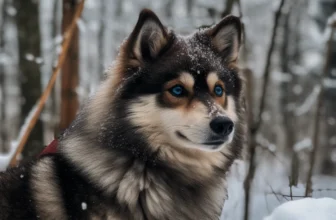
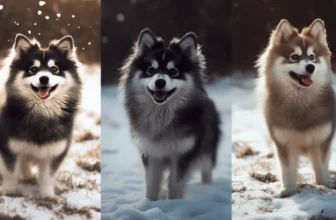
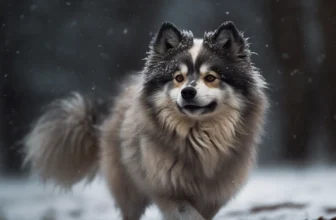
Their coat colors can range from black, grey, white, brown, cream, and even a combination of these colors. Pomskies often have striking blue or multicolored eyes inherited from their Husky parent. Their fluffy double coats require regular grooming to prevent matting and keep them looking their best.
Temperament and Personality
Pomskies are known for their friendly and outgoing personalities. They are social dogs that enjoy being around people and other pets. Due to their Pomeranian lineage, they can be quite vocal at times, making excellent watchdogs. However, early socialization is crucial to ensure they grow up to be well-rounded and confident dogs.
These designer dogs are highly intelligent and eager to please, which makes training relatively easy for experienced owners. They respond well to positive reinforcement techniques and enjoy mental stimulation through interactive toys and games.
Training Needs
Proper training is essential to instill good behavior in Pomskies. As with any dog breed, consistency, patience, and positive reinforcement are key. Early socialization is crucial to expose them to various environments, people, and animals so that they grow up to be well-adjusted adults.
Pomskies excel in obedience training and can learn a wide range of commands and tricks. They have a natural desire to please their owners but may also inherit some stubbornness from their Husky parent. Therefore, it’s important to establish yourself as the pack leader while maintaining a gentle approach during training sessions.
Exercise Requirements
Despite their small size relative to Siberian Huskies, Pomskies still require a fair amount of exercise to maintain their physical health and mental well-being. Daily walks, playtime, and mental stimulation are essential to keep them happy and prevent destructive behaviors that may arise from boredom.
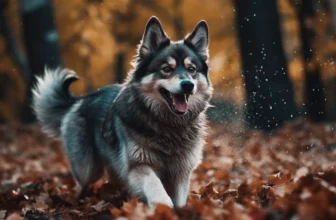
Engaging activities such as obedience training, agility courses, and puzzle toys can help satisfy their need for mental stimulation. Pomskies also enjoy interactive games like fetch and hide-and-seek, making them an ideal companion for active individuals or families.
Health Considerations
As with any designer breed, it’s important to be aware of potential health issues that Pomskies may inherit from their parent breeds. Some common health concerns seen in Pomeranians include dental problems, patellar luxation, tracheal collapse, and eye conditions. On the other hand, Huskies are prone to hip dysplasia, certain eye diseases, and autoimmune disorders.
Responsible breeders strive to minimize these risks by performing health screenings on their breeding dogs and providing proper veterinary care. Potential Pomsky owners should always inquire about the health clearances of both parent breeds before making a purchase.
In Conclusion
Pomskies are undoubtedly a unique and captivating breed that offers the best of both worlds—the adorable size and affectionate nature of a Pomeranian combined with the striking appearance and intelligence of a Siberian Husky. Understanding the origin, physical traits, temperament, training needs, exercise requirements, and potential health considerations is crucial for anyone considering adding a Pomsky to their family.
If you are looking for a loyal and playful companion who will turn heads wherever you go, the Pomsky might just be the perfect choice for you!