7 Things You Need to Know Before Buying a Pomsky: Understanding Pomsky Mixes
Pomskies, the adorable crossbreed between a Pomeranian and a Siberian Husky, have gained immense popularity in recent years. These designer dogs combine the best traits of their parent breeds, creating a unique and lovable companion. However, before you bring home a Pomsky, there are several important things you should know about these delightful mixed breeds.
1. Understanding Pomskies: A Mixed Breed Phenomenon
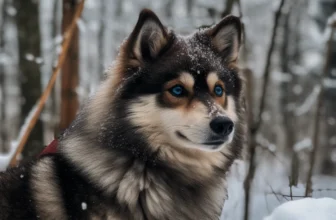
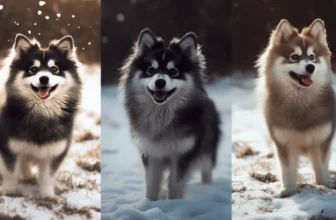
Pomskies are not purebred dogs but rather a hybrid mix of Pomeranians and Siberian Huskies. As such, their appearance and temperament can vary significantly from one Pomsky to another. While some may resemble more of a Pomeranian with their smaller size and fluffy coat, others may take after the Husky side with striking blue eyes and a larger build.
Key Takeaway: When considering a Pomsky, be prepared for potential variations in appearance and personality traits due to the mixed breed nature of these dogs.
2. Size Matters: Understanding Pomsky Sizes
Pomskies come in different sizes based on their parents’ characteristics. The size range can vary from small teacup-sized Pomskies to standard-sized ones. It’s essential to research the specific pairing of Pomeranian and Husky to estimate the potential size your Pomsky might reach when fully grown.
Key Takeaway: If you have specific size preferences, make sure to inquire about the parent dogs’ sizes to get an idea of what to expect from your Pomsky.
3. Exercise Needs: Keeping Your Pomsky Active
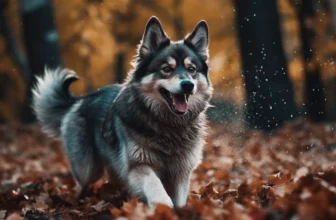
Pomskies inherit their energy levels from both parent breeds, making them moderately active dogs that require regular exercise and mental stimulation. Daily walks, playtime, and interactive toys are crucial for keeping your Pomsky happy and healthy. Make sure you have enough time in your daily routine to dedicate to your Pomsky’s exercise needs.
Key Takeaway: Pomskies need regular exercise and mental stimulation to prevent boredom and destructive behaviors.
4. Coat Care: The Fluffy World of Pomsky Fur
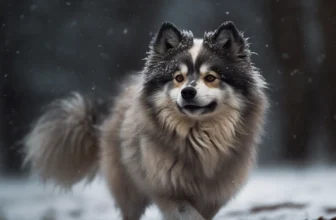
The coat of a Pomsky can vary depending on the dominant genes inherited from its parents. Some may have a longer double coat like a Husky, while others may exhibit shorter and softer fur like a Pomeranian. Regardless of the coat type, all Pomskies require regular grooming to maintain their fur’s health and prevent matting.
Key Takeaway: Be prepared for regular brushing, occasional baths, and possible professional grooming sessions to keep your Pomsky’s coat in top condition.
5. Training Challenges: Understanding Their Intelligence
Pomskies are generally intelligent dogs, but they can also possess a stubborn streak inherited from their Siberian Husky side. This can present some training challenges, especially for inexperienced dog owners. Consistent positive reinforcement methods combined with early socialization and obedience training are essential for raising a well-behaved Pomsky.
Key Takeaway: Patience, consistency, and positive reinforcement are key when training a Pomsky.
6. Health Considerations: Potential Pomsky Health Issues
As with any mixed breed, Pomskies may inherit certain health issues from their parent breeds. While both Pomeranians and Siberian Huskies are generally healthy dogs, it’s crucial to be aware of potential conditions such as hip dysplasia, eye problems, dental issues, and allergies that can affect Pomskies. Regular vet check-ups and a nutritious diet can help prevent or manage these health concerns.
Key Takeaway: Stay informed about potential health issues and provide proper veterinary care for your Pomsky.
7. Finding a Reputable Breeder: Ensuring a Quality Pomsky
When considering purchasing a Pomsky, it is vital to find a reputable breeder who prioritizes the health and well-being of their dogs. Look for breeders who provide proper socialization for the puppies, conduct health screenings on their breeding dogs, and offer support throughout the dog’s life. Avoid backyard breeders or puppy mills that prioritize profit over the welfare of the animals.
Key Takeaway: Choose a responsible and ethical breeder to ensure you bring home a healthy and well-cared-for Pomsky.
In Conclusion
Pomskies can make fantastic companions for the right owner. Understanding their mixed breed nature, size variations, exercise needs, coat care requirements, training challenges, potential health issues, and finding a reputable breeder are all essential aspects to consider before buying a Pomsky.