When Does a Pomsky Stop Growing?
Pomskies are a relatively new designer breed, created by crossing a Pomeranian with a Siberian Husky. As a breeder of Pomskies, I often get asked questions about their size and appearance. One of the most common questions is when do Pomskies stop growing? In this article, we will explore the growth patterns of Pomskies and help you understand more about their size and appearance.
The Growth Stages of Pomskies
Like all dogs, Pomskies go through different growth stages as they mature. The first stage is the puppy stage, which lasts from birth until around six months of age. During this time, Pomskies grow very quickly and can gain up to one pound per week. They also develop their teeth, learn how to walk, and start to socialize with other dogs and humans.
The second stage of growth is the adolescence stage, which begins at around six months of age and lasts until they are fully grown. This stage is characterized by slower growth compared to the puppy stage but still significant changes in size and appearance. This is also the time when many behavioral issues can occur as young Pomskies try to establish their dominance and territory.
The third and final stage is adulthood, where Pomskies reach their full size and weight. This stage typically starts at around 12-18 months old for females, while males may take up to two years to reach full maturity.
Factors Affecting Growth
Several factors can affect the growth rate of your Pomsky. Genetics play a significant role in determining how big your dog will eventually become. If both parents are small breeds like Pomeranians or if one parent is significantly smaller than the other (e.g., a teacup Pomeranian with a large husky), your Pomsky may be smaller than average.
Diet is another critical factor that can affect the growth rate of your Pomsky. Feeding your dog a nutritious and balanced diet is essential for healthy growth and development. Make sure to choose high-quality dog food that is appropriate for their age, size, and activity level. It’s also important to avoid overfeeding your Pomsky as this can lead to obesity and other health problems.
Exercise is also crucial for healthy growth and development in Pomskies. Regular exercise helps maintain muscle mass, supports bone density, and promotes overall health and well-being. As a breeder, I recommend at least 30 minutes of exercise per day for adult Pomskies and shorter walks or playtime sessions for puppies.
The Size and Appearance of Pomskies
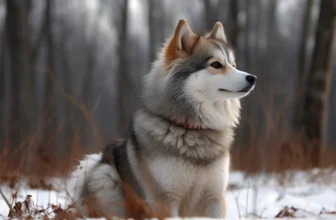
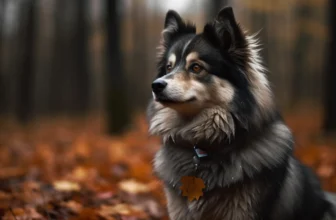
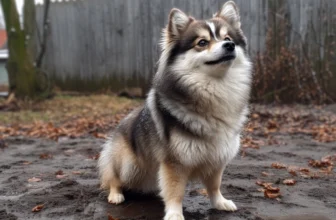
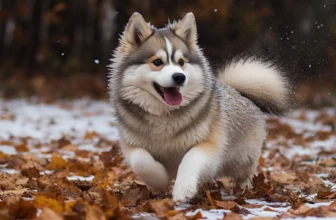
Due to their mixed breed nature, Pomskies can vary greatly in size and appearance. On average, they stand between 10-15 inches tall at the shoulder and weigh anywhere from 20-30 pounds. However, some Pomskies can weigh as little as 10 pounds or as much as 50 pounds depending on their genetics.
One of the defining features of Pomskies is their thick coat, which can come in various colors such as black, white, brown, gray, cream, or a combination of these colors. They have a double-layered coat that requires regular grooming to prevent matting and shedding.
Pomskies also have a unique facial structure that resembles both the Pomeranian and Siberian Husky breeds. They have pointed ears that stand upright like a Husky but are smaller in size like a Pomeranian’s ears. Their eyes are usually almond-shaped and come in shades of blue or brown.
Caring for Your Growing Pomsky
As a breeder of Pomskies, I cannot stress enough how important it is to provide proper care for your growing Pomsky. This includes regular visits to the vet for check-ups, vaccinations, and any necessary medical treatment.
You should also make sure your Pomsky is eating a healthy diet, getting plenty of exercise, and receiving adequate mental stimulation. Socializing your Pomsky with other dogs and people is also essential for their emotional well-being.
Grooming is another crucial aspect of caring for your growing Pomsky. Regular brushing helps keep their coat healthy and shiny while preventing matting and shedding. You may also want to consider professional grooming every few months to keep their coat looking its best.
Conclusion
In conclusion, Pomskies are a unique designer breed that requires proper care and attention to ensure they grow up healthy and happy. Understanding the growth stages of your Pomsky can help you prepare for their changing needs as they mature. By providing proper nutrition, exercise, grooming, and socialization, you can help your Pomsky reach their full potential in terms of size and appearance. Remember to always consult with a professional breeder or veterinarian if you have any concerns about your Pomsky’s health or well-being.