Introduction
The Pomsky, a crossbreed between a Pomeranian and a Siberian Husky, has gained significant popularity in recent years due to their adorable appearance and unique personality traits. As a professional breeder specializing in Pomskies, I have witnessed firsthand the joys and challenges of raising these delightful dogs. In this comprehensive guide, we will explore their temperament, intelligence, energy levels, and other important aspects that potential owners should know.
1. Understanding the Pomsky Breed
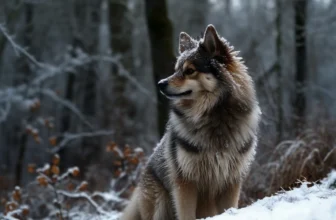
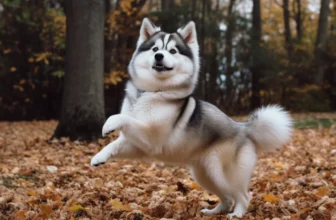
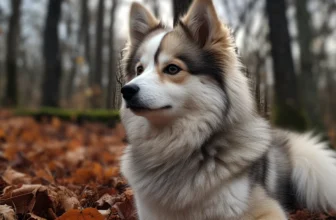
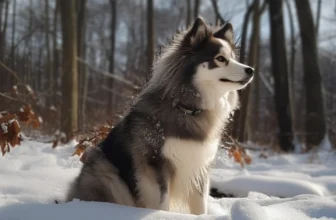
Pomskies are known for their striking physical attributes inherited from both parent breeds. They usually have the beautiful coat colors and patterns of a Husky combined with the small size and fluffy appearance of a Pomeranian. This makes them incredibly appealing to dog enthusiasts looking for a compact yet stunning companion.
However, it’s important to note that as a crossbreed, individual Pomskies can vary greatly in terms of appearance and personality traits. Some may resemble Pomeranians more closely, while others may lean towards Huskies. Temperament-wise, they can exhibit a blend of characteristics from both breeds.
1.1 Size and Weight
Pomskies typically fall into three size categories: toy, miniature, and standard. Toy Pomskies weigh around 5-9 pounds (2-4 kg), miniature Pomskies range from 10-20 pounds (4-9 kg), while standard Pomskies can weigh anywhere from 20-30 pounds (9-14 kg). However, keep in mind that these are approximate ranges as each individual can display slight variations.
1.2 Coat Type and Colors
The Pomsky’s coat can vary as well, with some having a straighter, Pomeranian-like coat while others possess a longer, wavy coat resembling that of a Husky. Common coat colors include black, grey, white, brown, and combinations of these colors. Their fur is often soft and fluffy, requiring regular grooming to maintain its beauty.
2. Personality Traits
Pomskies are known for their lively and affectionate personalities. Here are some key personality traits you can expect from this unique breed:
2.1 Intelligence and Trainability
Pomskies inherit high intelligence from their parent breeds. They are quick learners and respond well to positive reinforcement training methods. However, it’s important to start training early to establish boundaries and prevent any potential behavioral issues as they grow older.
2.2 Playfulness and Energy Levels
Pomskies have an abundance of energy and love being active. They enjoy playtime, exercise, and mental stimulation. Daily walks or runs and interactive toys are great ways to keep them engaged both physically and mentally.
2.3 Affectionate Nature
Pomskies thrive on human companionship and are known for their affectionate nature. They form strong bonds with their owners and enjoy being part of the family activities. They also tend to get along well with children and other pets if properly socialized from an early age.
2.4 Alertness and Protective Instincts
Pomskies have a natural alertness which makes them excellent watchdogs despite their small size. They will readily alert their owners if they sense anything unusual or suspicious happening around them.
3. Care and Training Tips
To ensure your Pomsky’s physical and emotional well-being, here are some essential care and training tips:
3.1 Regular Exercise
Pomskies require daily exercise to release their pent-up energy. Engage them in activities like walks, runs, or play sessions in a securely fenced area. Mental stimulation through puzzle toys or obedience training is also crucial for their overall development.
3.2 Grooming Needs
Pomskies have a dense double coat that requires regular brushing to prevent matting and shedding. Plan for weekly brushing sessions and more frequent grooming during shedding seasons. Additionally, dental hygiene, ear cleaning, and nail trimming should be part of their routine care.
3.3 Socialization
Early socialization is vital for Pomskies to grow into well-rounded adults. Expose them to various people, animals, environments, and situations from an early age to help them develop good social skills and prevent any potential behavioral issues.
3.4 Health Considerations
Pomskies are generally healthy dogs but can inherit certain health conditions from their parent breeds. It’s important to choose a reputable breeder who conducts health screenings on their breeding stock to minimize the risk of genetic disorders. Regular veterinary check-ups are also essential to monitor their overall health.
Conclusion
Pomskies make wonderful companions for individuals and families alike due to their unique blend of Husky’s charm and Pomeranian’s cuteness. Understanding their personality traits, exercise needs, grooming requirements, and providing proper training will help create a harmonious bond between you and your Pomsky. Remember, responsible ownership entails commitment, love, and attention to ensure your Pomsky leads a happy and fulfilling life.