Understanding Pomsky Temperament and Behavior
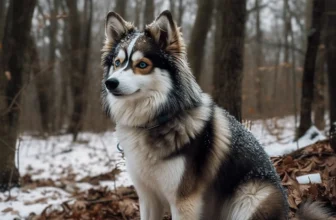
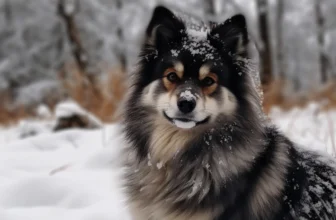
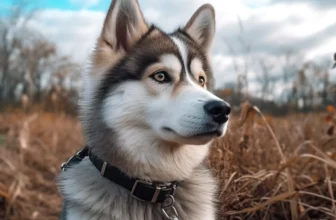
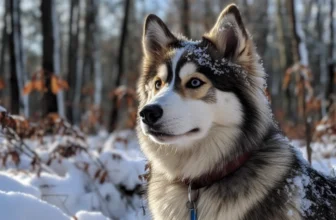
Pomskies are a charming and lively breed that combines the best characteristics of Siberian Huskies and Pomeranians. They are an excellent choice for those who want a small dog with the energy and intelligence of a larger breed. However, like any other dog, pomskies have their own unique temperament and behavior traits that require careful understanding.
The Basics of Pomsky Temperament
Pomskies are energetic, playful, and affectionate dogs that love to be around people. They have a high level of intelligence and can quickly learn new tricks and commands. However, they can also be stubborn at times, especially when it comes to training.
Pomskies are known for their loyalty, which makes them excellent family pets. They form strong bonds with their owners and often become protective of them. As a result, pomskies may not always interact well with strangers or other animals.
Pomskies are also known for their high-pitched barks, which they use to communicate with their owners. While this may be endearing at first, it can become annoying if not appropriately addressed from an early age.
Socializing Your Pomsky
Socialization is crucial for all dogs, but particularly important for pomskies because of their protective nature. Early socialization will help your pomsky develop into a well-rounded adult dog that is comfortable around other people and animals.
Introduce your pomsky to new people regularly from the time they are puppies. Encourage positive interactions with strangers by giving your puppy treats or praise when they interact well with new people.
Similarly, take your pomsky on walks in different environments so that they can experience different sights, smells, and sounds. This will help them adjust to new situations more easily as they grow older.
Training Your Pomsky
Pomskies are intelligent and eager to please, but they can also be stubborn. This means that training your pomsky will require patience and consistency.
Start training your pomsky from an early age, beginning with basic commands like “sit” and “stay.” Use positive reinforcement techniques like treats and praise to encourage good behavior, and avoid punishing your dog for mistakes.
Be patient with your pomsky during training, as it may take several repetitions for them to learn a new command. Consistency is key – use the same commands and reward system each time you train your dog.
Exercise Needs of Pomskies
Pomskies have plenty of energy, so it’s important to provide them with regular exercise. Without enough physical activity, pomskies can become bored and destructive.
Take your pomsky on daily walks or runs to help burn off excess energy. Playtime in the backyard or at a dog park can also be beneficial.
Keep in mind that pomskies are prone to overheating, especially in warmer climates. Avoid exercising your dog during the hottest parts of the day and provide plenty of water breaks.
Health Issues Common in Pomskies
Like all breeds, pomskies are susceptible to certain health issues. Some common health problems in pomskies include:
– Hip dysplasia: This is a genetic condition that affects the hip joint, causing pain and discomfort.
– Eye problems: Pomeranians are prone to eye problems like cataracts, which can be passed down to their offspring.
– Dental issues: Small dogs like pomskies are more prone to dental problems like tooth decay and gum disease.
To minimize the risk of these health issues in your pomsky, choose a reputable breeder that regularly screens their breeding dogs for genetic disorders. Regular visits to the veterinarian for check-ups and vaccinations can also help keep your pomsky healthy.
Conclusion
Pomskies are a wonderful breed that combines the best traits of Siberian Huskies and Pomeranians. They are intelligent, loyal, and playful dogs that make excellent family pets. However, like all breeds, they have their own unique temperament and behavior traits that require careful understanding.
Socialization, training, and regular exercise are essential for raising a well-behaved and healthy pomsky. By providing your pomsky with plenty of love and attention, you can ensure that they develop into a happy and well-adjusted adult dog.