Introduction
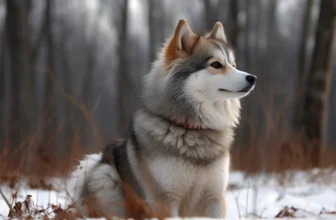
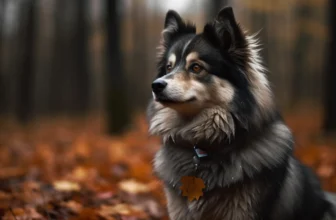
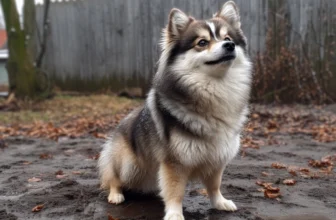
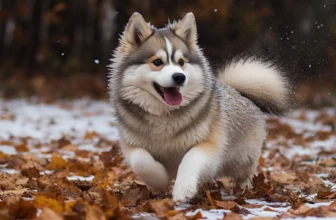
Pomskies are a popular hybrid dog breed that is a cross between a Pomeranian and a Siberian Husky. These adorable dogs are loved for their compact size, playful personalities, and striking appearance. However, as with any dog breed, there are some things to keep in mind when it comes to size.
In this article, we will explore what to expect as your pomsky puppy grows up and how to understand adult pomsky size. From genetics to diet and exercise, we will cover everything you need to know about ensuring your pomsky reaches its full potential.
The Basics of Pomsky Size
Before we dive into the details, let’s start with the basics of pomsky size. As mentioned earlier, pomskies are bred from Pomeranians and Siberian Huskies. Pomeranians typically weigh between 3-7 pounds while Siberian Huskies can weigh anywhere from 35-60 pounds. When breeding these two breeds together, the resulting puppies can vary significantly in size.
On average, a fully-grown pomsky will weigh between 20-30 pounds and stand around 10-15 inches tall at the shoulder. However, like any breed, individual dogs may fall outside of this range due to genetics or other factors.
It’s important to note that there is no such thing as a “teacup” or “miniature” pomsky. These terms are often used by breeders looking to market undersized puppies but have no basis in reality. Breeding for smaller sizes can result in health issues and should be avoided.
Genetics and Adult Pomsky Size
Genetics plays a significant role in determining your pomsky’s eventual size. While all puppies will be small when they are born, their genes will determine how much they grow over time.
When breeding pomskies, it’s essential to choose parents carefully. By selecting dogs that are on the smaller end of their breed standards, breeders can increase the chances of producing smaller puppies. However, genetics is never a guarantee, and pomsky puppies may still grow larger than expected.
Other factors that can influence adult pomsky size include the sex of your puppy (males tend to be larger than females) and litter size. Larger litters can result in puppies that are smaller than average due to competition for resources in the womb.
Diet and Exercise
While genetics plays a vital role in determining your pomsky’s eventual size, diet and exercise also play important roles. Providing your puppy with proper nutrition and exercise can help them reach their full potential.
Pomskies require a high-quality diet that is rich in protein to support their growth and development. Look for dog foods that list meat as the first ingredient and avoid those with fillers like corn or wheat.
In addition to a healthy diet, regular exercise is crucial for pomsky puppies. As an active breed, they need plenty of opportunities to run and play. Without enough exercise, they can become overweight or develop health issues later in life.
As your pomsky grows up, it’s essential to adjust their diet and exercise routine accordingly. Adult pomskies may not need as many calories as puppies and may benefit from more structured exercise like daily walks or runs.
Health Concerns That Can Affect Pomsky Size
While genetics, diet, and exercise all play significant roles in determining adult pomsky size, there are some health concerns that can affect growth.
One condition that can affect growth is hypothyroidism. This condition occurs when the thyroid gland doesn’t produce enough hormones, which can lead to stunted growth in puppies. Symptoms of hypothyroidism include weight gain, lethargy, and a dull coat. If you suspect your pomsky may have this condition, talk to your vet.
Another condition that can affect growth is hip dysplasia. This is a genetic condition where the hip joint doesn’t develop correctly, leading to pain and mobility issues. While not directly related to size, dogs with hip dysplasia may be smaller than average due to limited mobility.
It’s essential to work with a reputable breeder who screens for these and other health conditions to ensure you’re getting a healthy pomsky puppy.
Conclusion
Understanding adult pomsky size is essential for any potential owner of this hybrid breed. While genetics plays the most significant role in determining size, diet, exercise, and health factors also influence how big your pomsky will grow.
By providing your puppy with proper nutrition and exercise and working with a reputable breeder, you can help ensure they reach their full potential. With love, care, and attention, your pomsky will be a beloved member of your family for many years to come.