Tri Color Pomskies: The Ultimate Guide to Understanding Their Unique Appearance and Personality Traits
Pomskies are a relatively new breed that has gained immense popularity in recent years. These adorable dogs are a cross between the Pomeranian and the Siberian Husky, which results in a small but sturdy dog with an excellent temperament. Pomskies come in various colors and patterns, but one of the most sought-after is the tri-color.
If you’re considering getting a tri-color Pomsky, it’s essential to understand their unique appearance and personality traits. In this ultimate guide, we’ll cover everything you need to know about tri-color Pomskies.
What Is a Tri-Color Pomsky?
A tri-color Pomsky is a Pomsky that has three distinct coat colors. Typically, these colors are black, white, and tan, but they can vary slightly depending on the individual dog’s genetics. The tri-color pattern is rare in Pomskies, making them even more desirable to potential owners.
To understand how tri-color Pomskies develop their unique coat pattern, let’s take a closer look at their genetics. Pomeranians have two color genes – one for red and one for non-red. Meanwhile, Siberian Huskies have two primary color genes – black and red. When these two breeds are crossed, their offspring can inherit any combination of these genes.
When a Pomsky inherits one copy of the red gene from its Pomeranian parent and one copy of the black gene from its Siberian Husky parent, it creates the necessary conditions for the tri-color pattern to appear in future generations. If both parents carry the recessive tan-point gene, there is also a chance that their offspring will inherit it and display a tri-color pattern.
What Do Tri-Color Pomskies Look Like?
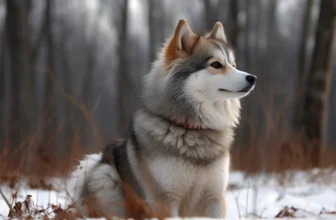
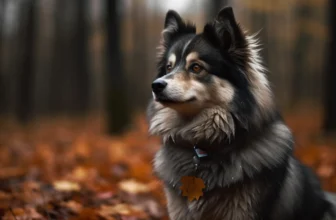
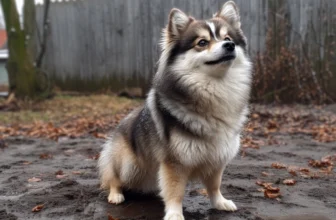
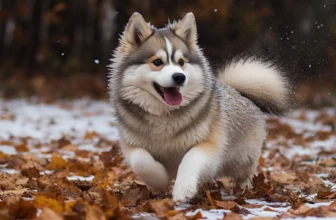
Tri-color Pomskies have a unique and eye-catching appearance that sets them apart from other Pomsky color variations. Their coats feature three primary colors – black, white, and tan – in varying degrees, creating a striking contrast.
The black color typically covers the dog’s back and head, while the white color appears on their chest, legs, and belly. The tan color can appear in various locations, such as eyebrows, cheeks, and paws. Some tri-color Pomskies may also have a small amount of red or gray in their coat.
In addition to their distinctive coat pattern, tri-color Pomskies have other physical traits that make them stand out. They are usually medium-sized dogs with a fluffy double coat that requires regular grooming to maintain its softness and shine. They have pointed ears and almond-shaped eyes that can be blue or brown.
Personality Traits of Tri-Color Pomskies
Pomskies are known for their fun-loving personalities and excellent temperaments. Tri-color Pomskies are no exception and often exhibit the same characteristics as other Pomsky variations.
They are friendly, affectionate dogs who love spending time with their owners and thrive on attention. Tri-color Pomskies are intelligent and eager to learn, making them easy to train with positive reinforcement methods.
Because they inherit traits from both Pomeranians and Siberian Huskies, tri-color Pomskies can display a range of personality traits. They may be more outgoing like a Pomeranian or more independent like a Husky.
It’s essential to socialize your tri-color Pomsky from an early age to ensure they develop into well-rounded dogs. Early socialization will help prevent behavioral problems such as aggression towards strangers or separation anxiety.
Caring for Your Tri-Color Pomsky
Caring for your tri-color Pomsky involves several aspects beyond regular grooming. Here are a few things you should keep in mind when taking care of your furry friend:
Diet: Pomskies have high energy levels and need a balanced diet to sustain them. Feed your tri-color Pomsky high-quality dog food that meets their nutritional needs.
Exercise: Tri-color Pomskies are active dogs that require regular exercise to stay healthy and happy. Take them for daily walks or engage in activities like fetch or agility training.
Grooming: Tri-color Pomskies have thick double coats that need regular grooming to prevent matting and tangling. Brush their coat at least once a week, bathe them every three months, and trim their nails as needed.
Healthcare: Like all dogs, tri-color Pomskies need regular veterinary checkups to monitor their health. They may be prone to certain health conditions such as hip dysplasia, eye problems, or allergies.
Where to Find Tri-Color Pomskies
Tri-color Pomskies are relatively rare compared to other color variations, which means they can be challenging to find. You may need to contact several breeders before finding one that has tri-color puppies available.
When searching for a breeder, it’s essential to do your research and find one who prioritizes the health and well-being of their dogs. Look for a breeder who is registered with reputable organizations such as the American Kennel Club (AKC) and who can provide you with health certificates for both parents.
You should also visit the breeder in person before committing to purchasing a puppy. This will give you an opportunity to see the conditions in which the dogs are raised and meet the puppies’ parents.
In Conclusion
Tri-color Pomskies are a unique variation of the popular Pomsky breed. Their striking appearance and friendly personalities make them a desirable option for dog lovers looking for a furry companion.
Understanding the genetics behind tri-color Pomskies and their distinct appearance and personality traits is essential if you’re considering adding one to your family. With proper care and attention, your tri-color Pomsky will bring joy and love into your life for years to come.