Pomsky Traits and Characteristics: Understanding the Temperament and Behavior
Pomskies are a relatively new breed of designer dogs that have gained immense popularity in recent years. They are a cross between a Siberian Husky and a Pomeranian, resulting in an adorable and energetic dog with unique traits and characteristics.
Understanding the temperament and behavior of your pomsky is essential to ensure their well-being and happiness. In this article, we will discuss various aspects of pomsky traits and characteristics that every pet owner should know.
Physical Appearance
Pomskies can vary in size, depending on the percentage of Pomeranian and Husky genes they inherit from their parents. Generally, they weigh between 20 to 30 pounds and stand around 10 to 15 inches tall at the shoulder.
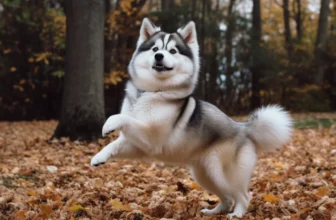
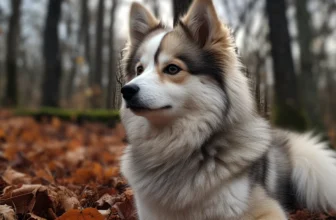
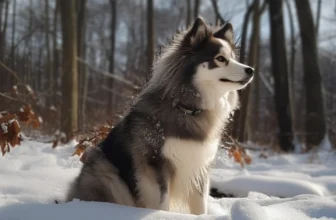
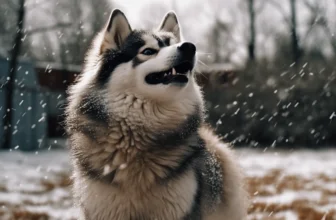
They have a soft, fluffy coat that comes in a range of colors, including black, white, gray, brown, and cream. Pomskies’ eyes are usually blue or brown, but some may have one eye of each color.
Their ears are pointed and erect like those of a husky, while their tail is curled up over their back like that of a Pomeranian. Overall, pomskies have a cute and cuddly appearance that makes them irresistible to pet lovers.
Temperament
Pomskies have an active and playful temperament that requires plenty of exercise to keep them happy. They love to run around and play fetch with their owners or other dogs at the park.
They are also affectionate towards their owners and enjoy spending time cuddling on the couch or sleeping beside them. Pomskies crave attention from their owners and can become anxious or destructive when left alone for extended periods.
As with any breed, socialization is crucial for pomskies to develop good behavior around strangers or other dogs. Introducing them to new people and environments from a young age can help prevent shyness or aggression.
Pomskies are intelligent dogs that can be trained with positive reinforcement techniques such as treats, praise, and playtime. They respond well to commands but may need extra patience and consistency during training due to their stubborn nature inherited from huskies.
Barking
Pomskies can be vocal dogs that enjoy barking, especially when they want attention or see something they perceive as a threat. However, excessive barking can become a problem for both the owners and the neighbors.
Training your pomsky to bark on command or teaching them quiet commands can help reduce unnecessary barking. Additionally, providing enough exercise and mental stimulation can also help keep your pomsky calm and less likely to bark excessively.
Energy Level
Pomskies have a high energy level that requires regular exercise to keep them healthy and happy. They need at least 30 minutes of daily exercise, such as walks, runs, or playtime in the backyard.
Their high energy level makes them great companions for active owners who love outdoor activities such as hiking or jogging. However, it’s essential to avoid over-exercising your pomsky, especially during hot weather conditions.
Providing interactive toys such as puzzles or chew toys can also help stimulate your pomsky mentally and prevent boredom-related behaviors like destructive chewing or digging.
Separation Anxiety
Pomskies are highly attached to their owners and may experience separation anxiety when left alone for extended periods. Symptoms of separation anxiety may include excessive barking or whining, destructive behavior, house soiling, or self-mutilation.
Training your pomsky to feel comfortable being alone gradually is crucial to prevent separation anxiety. Starting with short intervals of alone time while providing plenty of toys and treats can help build up your pomsky’s confidence.
It’s also essential to establish a routine that your pomsky can follow, such as leaving them with a puzzle toy before leaving or providing a comfortable crate for them to rest in while you’re away.
Compatibility with Children and Other Pets
Pomskies can make great companions for families with children or other pets if they are socialized appropriately. They enjoy playing and interacting with kids but may become overwhelmed by excessive noise or rough play.
Supervision is crucial when introducing your pomsky to children, especially younger ones who may not understand how to handle small dogs properly.
Similarly, pomskies can get along well with other pets, including cats and dogs, but early socialization is key. Introducing your pomsky to other animals gradually while supervised can help prevent territorial behavior or aggression.
Health Issues
Like any breed, pomskies are prone to certain health problems that pet owners should be aware of. Some common health issues include hip dysplasia, dental problems, eye diseases such as cataracts or progressive retinal atrophy (PRA), and allergies.
Regular check-ups with a veterinarian can help detect any potential health problems early on and ensure your pomsky receives appropriate treatment.
Conclusion
Pomskies are adorable and energetic dogs that make great companions for active owners or families with children. Understanding their temperament and behavior is crucial to ensure their well-being and happiness.
Regular exercise, training, socialization, and proper care are essential to prevent behavioral problems and keep your pomsky healthy. By providing love and attention to your pomsky, you can develop a strong bond that will last a lifetime.