Introduction
Pomskies are a relatively new breed of dog that has taken the world by storm. They were first created in the early 2000s by breeding a Pomeranian with a Siberian Husky. The result is a dog that has the small size and cute looks of a Pomeranian, combined with the intelligence and energy of a Husky.
While most Pomskies fall within the medium-sized range, there are some that are smaller than others. These small Pomskies have their own unique size and appearance, which we will explore in this article.
Understanding Small Pomskies
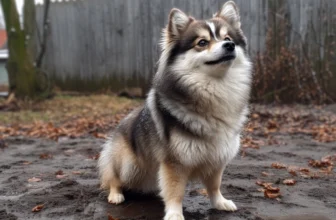
Small Pomskies are typically between 10-15 inches tall at the shoulder and weigh between 10-25 pounds. They have a compact body shape with short legs and a round head, making them look like an adorable teddy bear.
One of the reasons why small Pomskies are so popular is because they are perfect for those who live in apartments or small homes. They don’t require as much space as larger dogs, and they can easily be transported in carriers when traveling.
Appearance
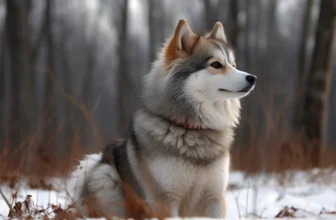
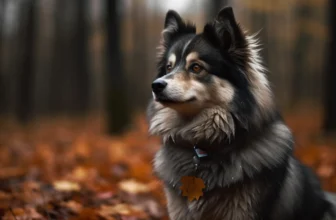
Small Pomskies come in a variety of colors, including black, white, brown, and gray. Their fur is usually thick and fluffy, with a double coat that keeps them warm in colder climates.
Their eyes are typically blue or brown, but they can also have one of each color (known as heterochromia). This unique feature adds to their charm and makes them stand out from other breeds.
Temperament
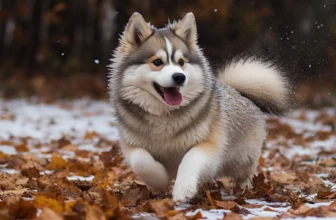
Despite their small size, small Pomskies are just as energetic and playful as their larger counterparts. They love to run around and play fetch, but they also enjoy snuggling up on the couch with their owners.
They are known for being very loyal and affectionate, making them great family pets. They also get along well with children and other pets, as long as they are socialized properly from a young age.
Training
Small Pomskies are intelligent dogs that love to learn new things. They respond well to positive reinforcement training methods, such as treats and praise.
It’s important to start training your small Pomsky from a young age, as they can be stubborn at times. Consistency is key when it comes to training, and you should always use positive reinforcement instead of punishment.
Caring for Small Pomskies
While small Pomskies may require less space than larger dogs, they still require plenty of exercise and mental stimulation. Here are some tips for caring for your small Pomsky:
Conclusion
Small Pomskies may be smaller in size than their medium-sized counterparts, but they have just as much personality and energy. They make great pets for those who live in apartments or small homes, and they are perfect for families with children and other pets.
If you’re considering getting a small Pomsky, it’s important to do your research and find a reputable breeder. With proper care and training, your small Pomsky will be a loyal and loving companion for many years to come.