Pomsky Sizes: Understanding the Different Sizes of Pomskies
If you’re considering adopting a pomsky, one of the most important factors to consider is their size. Pomskies are a relatively new breed, and as such, there isn’t yet an established standard for their size. However, there are some general guidelines that can help you understand the different sizes of pomskies.
What Is a Pomsky?
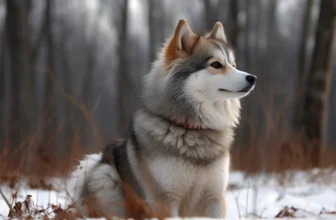
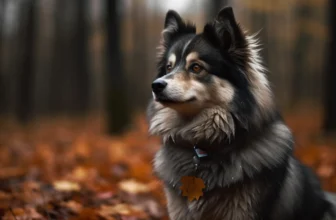
Before we dive into the different sizes of pomskies, it’s important to understand what a pomsky is. A pomsky is a crossbreed between a Pomeranian and a Siberian Husky. This produces a small to medium-sized dog with the personality traits of both breeds.
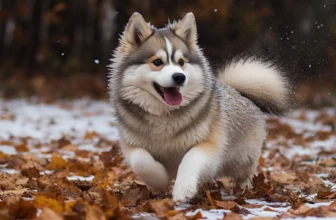
Pomskies are known for their friendly and outgoing nature, as well as their intelligence and trainability. They make great family pets and are well-suited for apartment living due to their smaller size.
The Three Different Sizes of Pomskies
When it comes to size, there are three different categories of pomskies: toy, miniature, and standard.
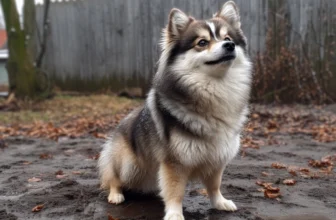
Toy Pomskies: Toy pomskies are the smallest variety of pomsky. They typically weigh between 5-9 pounds and stand around 10 inches tall at the shoulder. Toy pomskies are perfect for those who want a small lap dog that they can carry around with them wherever they go.
Miniature Pomskies: Miniature pomskies are slightly larger than toy pomskies but still fall on the smaller end of the scale. They typically weigh between 10-20 pounds and stand around 12-15 inches tall at the shoulder. Miniature pomskies are ideal for those who want a small dog but don’t want something quite as delicate as a toy pomsky.
Standard Pomskies: Standard pomskies are the largest variety of pomsky. They typically weigh between 20-30 pounds and stand around 15-18 inches tall at the shoulder. Standard pomskies are perfect for those who want a larger dog that still has all the great qualities of a pomsky.
Factors That Affect Pomsky Size
While there are general guidelines for each size category, it’s important to note that there are several factors that can affect a pomsky’s ultimate size. These include:
Genetics: Genetics plays a significant role in determining a pomsky’s size. The size of their Pomeranian and Siberian Husky parents will have a direct impact on how big or small they grow to be.
Diet: Diet is another factor that can affect a pomsky’s size. Proper nutrition is essential for healthy growth and development, so it’s important to feed your dog a high-quality diet.
Exercise: Exercise is also crucial for maintaining proper weight and muscle tone in your pomsky. Regular exercise can help prevent obesity and other health problems that can arise from being overweight.
Health issues: Some health issues can also affect a pomsky’s size. For example, if your dog suffers from a medical condition like hypothyroidism, it could cause them to gain weight and ultimately affect their overall size.
Choosing the Right Size Pomsky
When choosing the right size pomsky for you, it’s important to consider your lifestyle and living situation. If you live in an apartment or small home with limited space, a toy or miniature pomsky may be the best fit. However, if you have plenty of room and want a larger dog, a standard pomsky may be more suitable.
It’s also essential to consider your ability to care for your dog properly. While toy pomskies may seem like an attractive option, they can be delicate and require extra care to ensure their safety. If you’re not ready for the responsibility of a small and fragile dog, a larger pomsky may be a better option.
The Final Word
Pomskies are a unique breed that comes in three different sizes: toy, miniature, and standard. While each size category has its own set of characteristics, it’s important to remember that several factors can affect a pomsky’s size.
When choosing the right size pomsky for you, it’s essential to consider your lifestyle and living situation, as well as your ability to care for your dog properly. With careful consideration and proper care, a pomsky can make an excellent addition to any family.