Pomsky Mix Full Grown: Understanding the Size and Appearance
As a professional breeder specializing in Pomskies, I understand the importance of knowing about their size and appearance as they reach adulthood. In this article, we will explore the growth patterns, physical characteristics, and other factors that contribute to understanding how a Pomsky mix looks when it is fully grown.
1. Introduction to Pomskies:
The Pomsky, also known as a Husky Pomeranian Mix, is a relatively new designer dog breed that has gained immense popularity in recent years. These adorable pups are a cross between a Siberian Husky and a Pomeranian, resulting in a small to medium-sized dog with striking looks.
Due to their mixed heritage, each Pomsky can inherit different traits from both parent breeds. This genetic variation reflects in their size, coat color, coat length, eye color, body structure, and overall appearance.
2. Factors Influencing Size:
When discussing the full-grown size of Pomskies, it’s essential to consider several factors that influence their growth:
- Genetics: Each Pomsky inherits genes from its parents that determine its eventual size. The percentage of Husky and Pomeranian genes plays a significant role in determining the adult size of a Pomsky.
- Parent Sizes: The size of the Siberian Husky parent and Pomeranian parent can also impact the final size of the Pomsky. If a larger Husky is bred with a smaller Pomeranian, the resulting Pomsky may be smaller than if both parents were similar in size.
- Individual Differences: Just like humans, each Pomsky is unique and may grow at their own pace. Some may reach their full size earlier, while others may take longer to mature physically.
3. Size Categories of Pomskies:
Pomskies are typically categorized into three main size groups: Toy Pomskies, Miniature Pomskies, and Standard Pomskies.
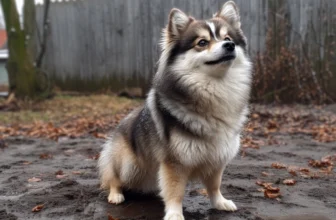
- Toy Pomskies: These are the smallest variety of Pomskies, weighing between 5 to 9 pounds (2.3 to 4 kg) and standing around 10 to 12 inches (25 to 30 cm) tall at the shoulder. They have a petite build and are often mistaken for small Pomeranians due to their size.
- Miniature Pomskies: This size category falls in the middle range, with weights ranging from 10 to 20 pounds (4.5 to 9 kg) and heights averaging between 12 to 15 inches (30 to 38 cm). Miniature Pomskies exhibit a balanced body proportion that showcases traits from both parent breeds.
- Standard Pomskies: The largest category of Pomskies can weigh anywhere between 20 to 30 pounds (9 to 13.6 kg) and measure approximately 15 to 18 inches (38 to 46 cm) in height. These dogs resemble miniature Siberian Huskies but possess distinct Pomeranian features as well.
4. Appearance Characteristics:
The appearance of a fully grown Pomsky mix is influenced by various factors inherited from its parent breeds. Let’s explore some key characteristics:
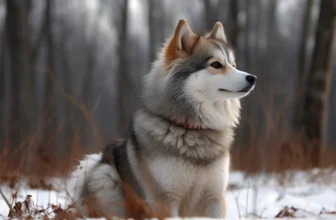
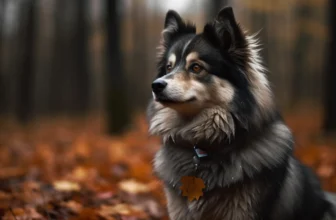
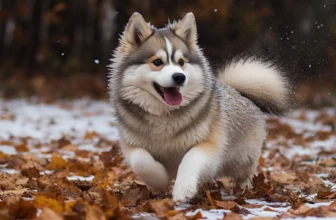
- Coat Color and Length: Pomskies can have a wide range of coat colors, including black, white, gray, red, brown, and combinations of these colors. Their coats can be solid or exhibit patterns such as merle or sable. The length of their fur can vary from short to medium, often requiring regular grooming.
- Eye Color: Pomskies’ eye color is usually blue, brown, or a combination of both. Some may even have heterochromia, where each eye has a different color.
- Body Structure: Pomskies typically inherit the lean and athletic body structure of Siberian Huskies coupled with the compact and sturdy build of Pomeranians. They have well-proportioned bodies with erect ears and a curled tail.
5. Health Considerations:
Pomskies are generally healthy dogs; however, they may be prone to certain health issues inherited from their parent breeds. It is crucial to work closely with reputable breeders who prioritize genetic testing to minimize the risk of any potential health concerns in Pomsky litters.
Some commonly observed health conditions in Pomskies include dental problems, allergies, hip dysplasia, eye diseases, and skin issues. Regular veterinary check-ups, proper nutrition, exercise, and grooming routines are vital for maintaining the overall health and well-being of your Pomsky.
6. Conclusion:
In conclusion, understanding the size and appearance of a full-grown Pomsky mix requires considering various factors such as genetics, parent sizes, individual differences, and size categories. While each Pomsky may have unique characteristics, they generally fall into three size categories: Toy, Miniature, and Standard.
As a professional breeder, my goal is to provide accurate information about Pomskies to potential owners. It is important to note that while size predictions can be made based on genetics and parent sizes, there can still be some variations among individual dogs.
If you are considering adding a Pomsky to your family, it’s crucial to do thorough research, choose a reputable breeder, and ensure you can provide the necessary care and attention these unique dogs require. With proper care and love, your Pomsky mix will grow into a beautiful adult companion that brings joy to your life for many years to come.