Everything You Need to Know About Pomsky Dogs:
Size, Appearance, and Personality Traits
Welcome to this comprehensive guide on everything you need to know about Pomsky dogs! As a professional breeder, I have firsthand experience with these adorable and unique hybrid dogs. In this article, we will delve into their size, appearance, and personality traits. So let’s dive right in!
What is a Pomsky?
A Pomsky is a crossbreed between a Siberian Husky and a Pomeranian. These designer dogs were first introduced in the early 2000s and quickly gained popularity due to their stunning looks and charming personalities. As a result of being a mix between two different breeds, Pomskies can vary in terms of size, appearance, and temperament.
Size:
Pomskies come in different sizes depending on the breeding combination. While there is no standard size for Pomskies, they are generally categorized into three main categories:
- Toy Pomskies: These are the smallest variety of Pomskies and typically weigh between 5 to 9 pounds (2-4 kg). They stand at around 10 to 12 inches (25-30 cm) tall at the shoulder.
- Miniature Pomskies: Miniature Pomskies are slightly larger than toy Pomskies, weighing between 10 to 20 pounds (4-9 kg). They stand at around 12 to 15 inches (30-38 cm) tall at the shoulder.
- Standard Pomskies: Standard Pomskies are the largest variety, weighing between 20 to 30 pounds (9-14 kg). They stand at around 15 to 18 inches (38-46 cm) tall at the shoulder.
It’s important to note that these size ranges are approximate and can vary depending on the individual dog’s genetics and lineage.
Appearance:
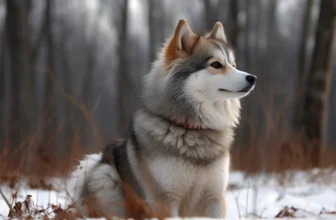
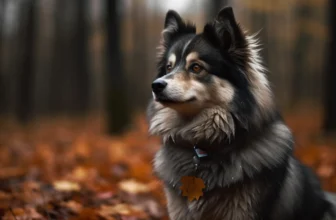
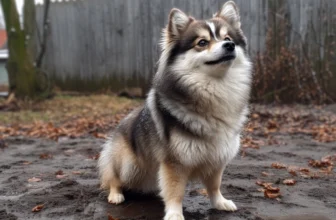
Pomskies often inherit a mix of physical characteristics from both parent breeds. Their appearance can vary greatly, even within the same litter. Here are some common physical traits seen in Pomskies:
- Fur: Pomskies usually have a thick double coat like their Husky parent. The coat can come in various colors and patterns, including white, black, gray, brown, and combinations of these colors. Some Pomskies may also have distinctive markings similar to those found in Huskies.
- Eyes: The eye color of a Pomsky can range from blue, brown, amber, or a combination of these colors. Heterochromia, where each eye has a different color, is also seen in some individuals.
- Size and Build: As mentioned earlier, Pomskies come in different sizes. However, they generally have a compact and sturdy build with well-proportioned features.
Personality Traits:
Pomskies are known for their lively and outgoing personalities. Here are some common personality traits observed in Pomskies:
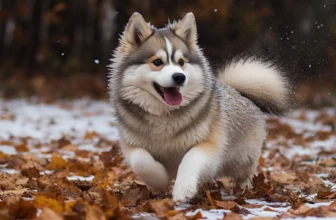
- Playful: Pomskies have an abundance of energy and love to play. They enjoy interactive games, toys, and activities that keep them mentally stimulated.
- Social: These dogs are generally friendly and sociable with people and other animals, especially if properly socialized from a young age.
- Intelligent: Pomskies inherit the intelligence of both parent breeds. This makes them quick learners and eager to please, which can make training relatively easier.
- Affectionate: Pomskies form strong bonds with their owners and thrive on human companionship. They enjoy cuddling and being part of family activities.
It’s important to note that each Pomsky is an individual, and their personality can be influenced by various factors such as genetics, socialization, and training.
Caring for a Pomsky:
Owning a Pomsky requires commitment and responsibility. Here are some essential aspects to consider when caring for a Pomsky:
- Exercise Needs: Pomskies are energetic dogs that require regular exercise to stay happy and healthy. Daily walks, playtime, and mental stimulation activities are necessary to prevent boredom.
- Grooming Requirements: The thick double coat of a Pomsky requires regular brushing to prevent matting. They shed moderately throughout the year, with heavier shedding occurring during seasonal transitions.
- Dietary Considerations: Providing a well-balanced and nutritious diet is crucial for the overall health of a Pomsky. Consult with your veterinarian to determine the appropriate diet based on their size, age, and activity level.
- Training and Socialization: Early training and socialization are vital to ensure that your Pomsky grows up to be a well-behaved companion. Enroll them in puppy classes and expose them to various environments, sounds, people, and animals.
- Healthcare: Regular veterinary check-ups, vaccinations, and preventive treatments are essential to keep your Pomsky in good health. They may be prone to certain health conditions inherited from their parent breeds, so it’s important to stay vigilant and address any concerns promptly.
Conclusion:
Pomskies are undeniably charming dogs with a unique combination of Husky’s striking looks and Pomeranian’s delightful personality. Their size, appearance, and personality traits can vary, but they commonly exhibit playful, social, intelligent, and affectionate behaviors. As a responsible breeder, I hope this article has provided you with valuable insights into everything you need to know about Pomsky dogs. If you’re considering adding a Pomsky to your family, remember that proper care, training, and love are key to raising a happy and well-rounded companion.