Pomsky Grown Up: What to Expect from Your Fully-Grown Pomsky
As a professional breeder for pomskies, I have seen many of my puppies grow into fully-grown adults. Pomskies are a unique breed that combines the best of both worlds – the intelligence and loyalty of the Siberian Husky and the cuteness and playfulness of the Pomeranian. But what can you expect when your pomsky grows up? In this article, I will share some insights into what you can expect from your fully-grown pomsky.
Appearance
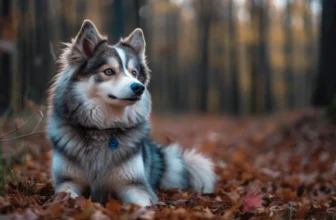
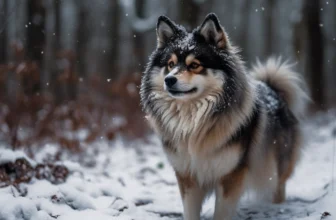
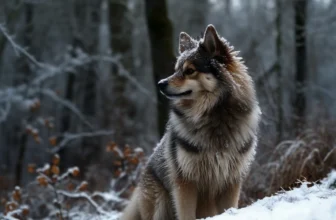
Pomskies are known for their adorable appearance, with their fluffy coats and cute faces. However, as they grow up, their appearance may change slightly. While they will still be adorable, their coat may become less fluffy and more coarse as they shed their puppy fur. They may also lose some of their playful energy and become more calm and relaxed.
One thing to keep in mind is that pomskies come in a wide range of colors, so your adult pomsky may have a different color coat than when it was a puppy. Some common colors for pomskies include black, white, gray, red, sable, and brown.
Size
Pomskies are a small-to-medium sized dog breed that typically weighs between 20-30 pounds when fully grown. However, there can be some variation in size depending on the breeding pair used to create the pomsky. Some pomskies may be smaller or larger than this average size range.
If you are looking for a specific size for your adult pomsky, it is important to discuss this with your breeder before adopting a puppy. The breeder should be able to give you an idea of how big your pomsky will be when it is fully grown based on the size of the parents.
Temperament
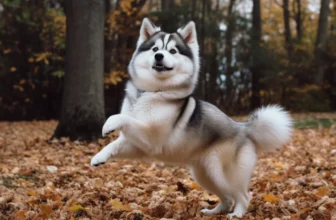
Pomskies are known for their friendly and outgoing personalities. They love to play and interact with their owners, and they are great with children and other pets. As they grow up, they may become more sedate and relaxed, but they will still have plenty of energy for playtime and walks.
One thing to keep in mind is that pomskies can be stubborn at times, which can make training a challenge. It is important to start training your pomsky early and be consistent with your commands. Positive reinforcement techniques like treats and praise can also be helpful in training your pomsky.
Health
Pomskies are generally healthy dogs, but there are some health issues that you should be aware of as your dog grows up. Some common health problems that pomskies may experience include:
- Eye problems: Pomskies can develop eye problems like cataracts or glaucoma, which can lead to vision loss if not treated promptly.
- Hip dysplasia: This is a genetic condition where the hip joint does not form properly, leading to arthritis and pain in the hips.
- Heart problems: Pomskies can develop heart problems like mitral valve disease or dilated cardiomyopathy, which can impact their quality of life.
- Allergies: Like many dog breeds, pomskies can develop allergies to food or environmental triggers, which can cause skin irritation and itchiness.
To keep your adult pomsky healthy, it is important to schedule regular check-ups with your veterinarian. Your vet can monitor your dog’s health and catch any potential health problems early on.
Grooming
Grooming your pomsky is an important part of keeping them healthy and happy. As your pomsky grows up, their coat may become less fluffy and more coarse, which can make grooming a bit easier. However, you will still need to brush your pomsky regularly to prevent matting and tangles.
Pomskies also shed quite a bit, especially during the spring and fall when they are shedding their winter or summer coats. To keep shedding under control, it is important to brush your pomsky regularly and vacuum your home frequently.
Other grooming tasks for your adult pomsky may include trimming their nails, cleaning their ears, and brushing their teeth. Regular grooming can help keep your pomsky healthy and comfortable.
Exercise
Pomskies are an active breed that require daily exercise to stay healthy and happy. As your pomsky grows up, they may become less energetic than when they were a puppy, but they will still need plenty of exercise to burn off excess energy.
Some ways to exercise your adult pomsky include taking them for walks or runs, playing fetch in the backyard, or taking them to a dog park for some socialization with other dogs. It is important to provide plenty of opportunities for exercise and playtime to prevent behavioral issues like destructive chewing or barking.
Conclusion
Your fully-grown pomsky will be a loyal and loving companion that brings joy to your life every day. While there may be some changes in appearance, temperament, and health as your pomsky grows up, with proper care and attention, you can ensure that your dog remains healthy and happy throughout its life.