Pomsky Grown Up Size: What to Expect as Your Puppy Grows
As a professional breeder for pomskies, it is important to educate potential puppy owners about the growth and size expectations of this adorable hybrid breed. Pomskies are a cross between Pomeranians and Siberian Huskies, resulting in a unique combination of both breeds’ characteristics. Understanding how pomskies grow and develop will help you provide the best care for your puppy as they transition into adulthood.
The Growth Stages of a Pomsky
A pomsky goes through several growth stages before reaching their full-grown size. It’s important to note that every individual pomsky may vary in size and appearance depending on the specific traits inherited from their parent breeds.
Stage 1: Puppyhood (0-6 months)
During this stage, your pomsky will experience rapid growth. They will double or even triple their birth weight within the first few weeks. Their bones, muscles, and organs are developing at a fast pace. It is crucial to provide them with a balanced diet rich in nutrients to support healthy growth.
Stage 2: Adolescence (6-12 months)
As your pomsky enters adolescence, their growth rate starts to slow down. However, they will still continue to gain weight and height during this period. Proper exercise and nutrition are essential at this stage to ensure their bones and joints develop correctly.
Stage 3: Young Adult (12-18 months)
By the time your pomsky reaches young adulthood, they will have nearly reached their full-grown size. However, some pomskies may continue to fill out and develop muscle mass until they are around two years old. It’s important to monitor their weight and adjust their diet accordingly to prevent obesity.
Factors Affecting Pomsky Size
The size of a pomsky can vary depending on several factors:
Average Pomsky Sizes
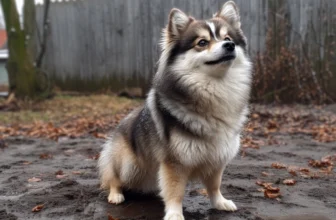
The average size of a full-grown pomsky can vary significantly. Generally, pomskies are considered small-to-medium-sized dogs. Most pomskies stand between 10 to 15 inches (25-38 cm) tall at the shoulder and weigh between 20 to 30 pounds (9-14 kg).
However, it is essential to remember that there can be variations within this range. Some pomskies may be smaller, resembling the size of a Pomeranian, while others may be larger, taking after the Siberian Husky parent. The appearance and size of your pomsky will be unique to them.
Caring for Your Pomsky as They Grow
As your pomsky grows, there are several aspects of care you should consider:
Remember that every pomsky is unique, and their development may not precisely follow these guidelines. It is crucial to provide individualized care based on your specific pomsky’s needs.
In Conclusion
As a professional breeder for pomskies, understanding the growth stages and size expectations is important when educating potential puppy owners. Pomskies go through various growth stages from puppyhood to young adulthood, each characterized by different rates of growth. Factors such as parent size, generation, diet, exercise, and gender can influence the ultimate size of a pomsky. While most full-grown pomskies fall within the small-to-medium-sized range, individual variation is expected. Providing proper nutrition, exercise, grooming, and veterinary care are crucial to ensure your pomsky’s healthy development. By being aware of these factors and providing appropriate care, you can help your pomsky grow into a happy and healthy adult companion.