Pomsky F3 Adulte: Understanding the Size and Appearance of Fully Grown Pomskies
Introduction
As a professional breeder specializing in pomskies, it is crucial to understand the size and appearance of fully grown Pomsky F3 adults. Pomskies have gained immense popularity in recent years due to their adorable appearance and friendly temperament. However, since they are a relatively new breed resulting from the crossing of Pomeranians and Siberian Huskies, there is still much to discover about their adult characteristics.
What is an F3 Pomsky?
An F3 Pomsky refers to a third-generation offspring resulting from breeding two second-generation (F2) Pomskies. This means that both parents of an F3 Pomsky are themselves second-generation Pomskies. Breeding F2 Pomskies together allows for more predictability in terms of size, appearance, and temperament.
Size Variations
Pomskies can inherit physical traits from both parent breeds, leading to a wide range of sizes. As adult dogs, Pomskies typically fall into three distinct size categories:
- Toy Pomsky: Also known as teacup or miniature pomskies, these dogs weigh between 5-9 pounds (2-4 kg) and stand around 10-12 inches (25-30 cm) tall at the shoulder. They are the smallest category of fully grown Pomskies.
- Standard Pomsky: Standard-sized or medium pomskies weigh between 20-30 pounds (9-14 kg) and measure around 13-18 inches (33-46 cm) in height at the shoulder. They are the most common size category among fully grown Pomskies.
- Large Pomsky: Large pomskies are the largest category and can weigh anywhere between 30-40 pounds (14-18 kg) with a height of 18-22 inches (46-56 cm) at the shoulder. They have a more substantial build and resemble their Siberian Husky parent in terms of size.
Appearance
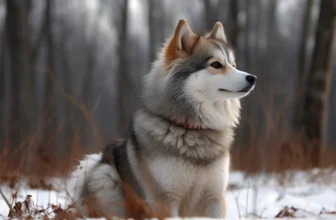
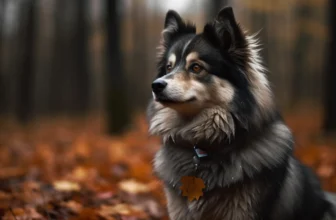
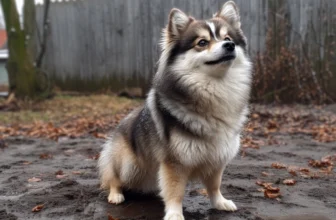
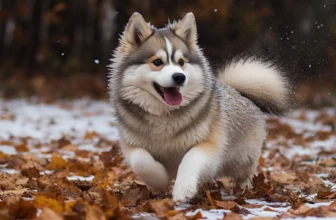
Pomskies inherit physical traits from both Pomeranians and Siberian Huskies, resulting in a variety of appearances. While it is challenging to predict the exact appearance of an F3 Pomsky adult, there are some common characteristics found in this generation:
- Fur: Pomskies typically have a dense double coat that can be short to medium in length. Their fur comes in various colors, including black, white, gray, brown, cream, or a combination of these shades. Some Pomskies may even have striking blue or multicolored eyes inherited from their Husky parent.
- Facial Features: Pomskies often have a fox-like face with erect ears and almond-shaped eyes. Their facial expressions are known for being alert, intelligent, and expressive.
- Body Structure: The body structure of a fully grown Pomsky can vary depending on the size category. Toy and standard-sized Pomskies tend to have a compact build similar to Pomeranians, while large Pomskies exhibit a more robust and athletic physique resembling Siberian Huskies.
Temperament
The temperament of an F3 Pomsky adult is influenced by genetics as well as early socialization and training. However, general traits observed in Pomskies include:
- Playfulness: Pomskies are known for their playful and energetic nature. They enjoy interactive games, physical activities, and mental stimulation.
- Intelligence: As a crossbreed of two intelligent breeds, Pomskies possess high levels of intelligence. This makes them quick learners and suitable candidates for various dog sports and training exercises.
- Affectionate: Pomskies often form strong bonds with their human families and thrive on affection and attention. They are loyal companions who enjoy spending time with their owners.
- Sociability: Proper socialization from a young age is essential to ensure that Pomskies grow up to be friendly and well-mannered dogs. With proper socialization, they can get along well with other pets and children.
Caring for Fully Grown Pomskies
To keep fully grown Pomskies healthy and happy, it is crucial to provide them with proper care:
- Nutrition: A balanced diet is essential for maintaining the health of a pomsky. Consult with a veterinarian to determine the best diet plan based on your dog’s size, age, and activity level.
- Exercise: Pomskies require regular exercise to burn off excess energy. Daily walks, playtime, and mental stimulation activities are recommended to keep them physically fit and mentally stimulated.
- Grooming: Regular grooming is necessary to maintain the condition of a pomsky’s coat. Brushing their fur a few times a week helps prevent matting and shedding. Additionally, dental care, nail trimming, and ear cleaning should be a part of their grooming routine.
- Healthcare: Regular veterinary check-ups, vaccinations, and preventive treatments for fleas, ticks, and worms are essential to keep your Pomsky healthy. As a breeder, it is crucial to provide potential owners with proper guidance regarding their dog’s healthcare needs.
Conclusion
Fully grown Pomsky F3 adults come in various sizes and appearances due to the influence of their Pomeranian and Siberian Husky parent breeds. Understanding these characteristics is vital for breeders to provide accurate information to potential owners. By comprehending the size variations, appearance traits, and general temperament of fully grown Pomskies, breeders can ensure that these adorable designer dogs find loving homes where they will be cared for appropriately.