Pomsky Ausgewachsen: Understanding the Size and Appearance of Adult Pomskies
Pomskies have become increasingly popular over the years due to their adorable appearance and loving personalities. As a professional breeder, it is essential to understand how pomskies grow and develop throughout their lives, especially when it comes to their size and appearance as adults.
What is a Pomsky?
A pomsky is a designer breed that is created by crossbreeding a Pomeranian with a Siberian Husky. These two breeds were chosen because of their unique characteristics that complement each other. The Pomeranian is generally small in size but has a fluffy and thick coat, while the Siberian Husky is larger in size but has a sleeker coat. When they are bred together, the result is an adorable dog that is perfect for families and individuals who want a smaller-sized husky.
How Do Pomskies Grow?
Like all dogs, pomskies go through various stages of development as they grow from puppies into adults. Understanding these different stages can help breeders prepare for the changes that occur in their pomsky’s size and appearance.
Newborn Stage: Pomsky puppies are born tiny, weighing only a few ounces. At this stage, they are completely dependent on their mother for food and warmth.
Infant Stage: As pomsky puppies grow, they start to become more active and curious about their surroundings. They begin to explore their environment and play with littermates.
Weaning Stage: When pomsky puppies reach 4-6 weeks of age, they are weaned off of their mother’s milk and introduced to solid food. This is also when they start to learn basic socialization skills and interact more with humans.
Puppy Stage: Pomsky puppies grow rapidly during this stage, both in size and personality. They become more independent and start to develop their unique characteristics.
Adolescent Stage: As pomskies approach adulthood, they go through a stage where they are still growing but have reached their maximum height. During this time, they may experience changes in behavior as they start to assert their independence.
Adult Stage: At around 1-2 years of age, pomskies reach their full adult size and appearance. They are fully matured and have developed their unique personalities that make them beloved family pets.
What is the Size of an Adult Pomsky?
One of the most significant factors that affect how pomskies look as adults is their size. Since pomskies are a designer breed, there is no standard size for them. However, most adult pomskies fall into one of three categories based on their weight:
Toy Pomsky: Toy pomskies weigh between 5-9 pounds as adults. They are the smallest type of pomsky and are perfect for people who want a dog that can fit into small spaces.
Miniature Pomsky: Miniature pomskies weigh between 10-20 pounds as adults. They are medium-sized dogs that offer a balance between the Pomeranian’s small size and the Siberian Husky’s larger build.
Standard Pomsky: Standard pomskies weigh between 20-30 pounds as adults. They are larger than miniature pomskies but still smaller than a purebred Siberian Husky.
What Does an Adult Pomsky Look Like?
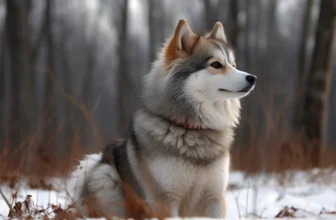
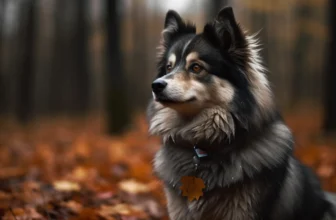
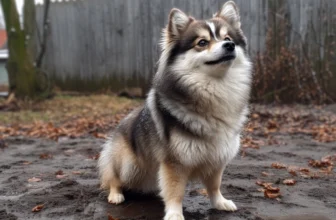
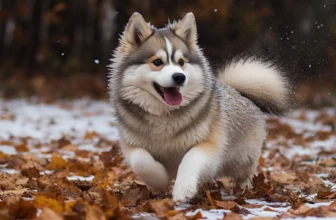
Another essential factor that affects how pomskies look as adults is their appearance. Since pomskies are a crossbreed, they can inherit various physical traits from both the Pomeranian and Siberian Husky breeds. However, most adult pomskies have some common features that make them unique:
Coat: Pomskies have a thick and fluffy coat that comes in various colors, including black, brown, white, red, and grey. They shed moderately but require regular grooming to keep their coat healthy and shiny.
Ears: Pomskies have pointed ears that stand upright like the Siberian Husky’s ears but are smaller in size like the Pomeranian’s ears.
Eyes: Pomskies have bright and expressive eyes that come in various shades of blue, brown, or green. Some pomskies even have bi-colored or parti-colored eyes, which adds to their unique appearance.
Nose: Pomskies have a black nose that is similar to the Siberian Husky’s nose but smaller in size like the Pomeranian’s nose.
The Importance of Proper Care for Adult Pomskies
As a professional breeder, it is essential to educate new owners about proper care for their adult pomsky. This includes providing them with information on diet, exercise, grooming, and health issues that are common in this breed.
Diet: Adult pomskies require a balanced diet that is high in protein and low in fat. They should be fed small meals throughout the day to prevent obesity and regulate blood sugar levels.
Exercise: Adult pomskies need daily exercise to maintain their health and prevent boredom. They enjoy activities such as walking, running, playing fetch, and agility training.
Grooming: Adult pomskies require regular grooming to keep their coat healthy and free from mats. This includes brushing their fur daily, trimming their nails, cleaning their ears, and brushing their teeth.
Health Issues: Adult pomskies are susceptible to various health issues such as hip dysplasia, eye problems, dental issues, and skin allergies. It is essential to monitor them regularly and seek veterinary care if any health concerns arise.
Conclusion
Understanding the size and appearance of adult pomskies is crucial for professional breeders who want to provide new owners with accurate information. By knowing how pomskies grow and develop throughout their lives, breeders can prepare for the changes that occur in their size and appearance. Additionally, educating new owners about proper care for adult pomskies can help them maintain a healthy and happy pet for years to come.