Understanding Piebald Pomskies: Size, Appearance and Breeding Standards
Pomskies are a relatively new breed of dog that have gained popularity in recent years due to their adorable looks and friendly personalities. They are a cross between a Pomeranian and a Siberian Husky, resulting in a small-sized dog with the temperament of a Husky and the cuteness of a Pomeranian. While traditional Pomskies come in a range of colors and patterns, piebald Pomskies have become increasingly popular in recent years due to their unique look. In this article, we will explore what piebald Pomskies are, how they differ from other types of Pomskies, and what breeding standards should be followed when producing them.
What is a Piebald Pomsky?
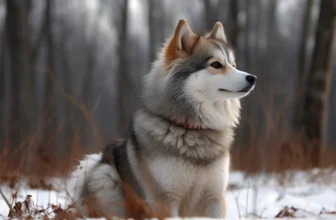
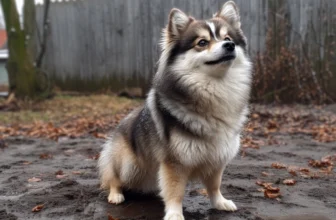
A piebald Pomsky is a type of Pomsky that has white fur with patches or spots of any other color. These patches can be large or small, and can appear anywhere on the dog’s body. Piebaldism is a genetic condition that affects many different types of animals, including dogs. It is caused by a mutation in the KIT gene that affects the production of pigment cells called melanocytes. As a result, dogs with piebaldism have areas on their coat where there is no pigment at all.
Piebaldism can occur in any breed of dog, but it is particularly striking in Pomskies because of their small size and fluffy coats. The white patches on piebald Pomskies often stand out against their darker markings, creating an eye-catching contrast.
How Do Piebald Pomskies Compare to Other Types of Pomskies?
There are several different types of Pomskies based on their coat color and pattern. Some common variations include:
- Solid-colored Pomskies
- Merle Pomskies
- Parti-colored Pomskies
- Sable Pomskies
Solid-colored Pomskies have a single color throughout their coat, while merle Pomskies have a marbled pattern of different colors. Parti-colored Pomskies have two or more distinct colors on their coat, while sable Pomskies have a base color with darker hairs mixed in.
Piebald Pomskies are similar to parti-colored Pomskies in that they have areas of white and another color on their coat. However, piebalds have much more white than parti-colors, typically covering at least half of the dog’s body. This creates a unique look that sets them apart from other types of Pomskies.
Breeding Standards for Piebald Pomskies
While piebaldism is a natural occurrence that can happen in any breed of dog, intentionally breeding for piebald Pomskies requires careful consideration and adherence to breeding standards. Breeders who are interested in producing piebald puppies should consider the following factors:
- Genetics: Piebaldism is an inherited trait, so it is important to understand the genetics behind it. Breeding two dogs with piebald genes increases the likelihood of producing piebald puppies, but it also increases the risk of other genetic disorders.
- Health: All breeding dogs should be screened for genetic health issues before being bred. This includes testing for conditions like hip dysplasia and eye problems.
- Temperament: Both Pomeranians and Siberian Huskies have unique personalities, so it is important to choose breeding dogs that have friendly, outgoing temperaments.
- Aesthetic Standards: Piebald Pomskies should adhere to the same aesthetic standards as other types of Pomskies. This includes having a compact, sturdy build with a thick coat and erect ears.
It is also important to note that intentionally breeding for piebald Pomskies can be controversial in some circles. Some people believe that intentionally breeding for certain coat colors or patterns can lead to health problems or encourage irresponsible breeding practices. As such, it is important for breeders to carefully consider their goals and priorities when breeding piebald Pomskies.
Conclusion
Piebald Pomskies are a unique and eye-catching variation of the popular Pomsky breed. They have white patches on their fur that create a striking contrast against their darker markings, making them stand out from other types of Pomskies. While piebaldism is a natural occurrence that can happen in any breed of dog, intentionally breeding for piebald puppies requires careful consideration and adherence to breeding standards. By prioritizing genetics, health, temperament, and aesthetic standards, breeders can produce healthy and happy piebald Pomskies that bring joy to their owners for years to come.