Introduction
Pomskies are a relatively new breed that has gained popularity in recent years. This adorable breed is a mix between a Pomeranian and a Siberian Husky, resulting in a small yet energetic dog with distinctive looks. However, understanding the personality traits of this breed is crucial for anyone considering owning a Pomsky. In this guide, we will discuss the various traits that make Pomskies unique and what to expect when welcoming one into your home.
Physical Characteristics
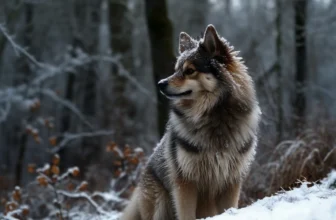
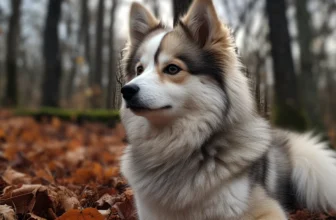
Pomskies are small dogs, typically weighing between 20-30 pounds and standing around 10-15 inches tall. Their physical appearance can vary depending on which parent breed they take after more. Some may have the striking blue eyes of their Husky parent while others may have the fluffy coat of their Pomeranian parent.
Coat and Grooming
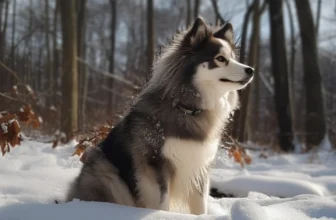
The Pomsky’s coat can come in a variety of colors, including black, white, gray, and brown. They usually have a thick double coat that requires regular grooming to maintain its quality. Brushing your Pomsky’s coat at least once a week will help prevent matting and keep their fur clean and shiny. Additionally, you should trim their nails regularly using dog nail clippers to avoid any discomfort or injury.
Exercise Needs
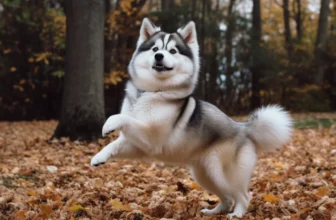
Despite their small size, Pomskies are highly active dogs that require regular exercise to stay healthy and happy. They love going on walks, playing fetch, and running around in open spaces like parks or backyards. Ideally, they need about an hour of physical activity per day to burn off excess energy.
Temperament
Now let’s dive into the most important aspect of understanding Pomskies: their temperament.
1. Affectionate: Pomskies are known for their loving and affectionate nature. They thrive on human interaction and enjoy spending time with their owners.
2. Energetic: As mentioned earlier, Pomskies are highly active dogs that require regular exercise to stay healthy and happy. They have a lot of energy and love to play, making them great companions for people with an active lifestyle.
3. Intelligent: Pomskies are smart dogs that pick up new commands quickly. They can be trained to do a variety of tricks and behaviors, making them great pets for families with children.
4. Independent: Despite their affectionate nature, Pomskies also have an independent streak. They may become stubborn at times, but with proper training and socialization, they can learn to follow commands without issue.
5. Protective: Pomskies are loyal to their owners and can be protective of them when necessary. However, they are not aggressive dogs by nature and will only act defensively if they feel threatened or perceive danger.
Training and Socialization
Training and socialization are crucial for any dog breed, including Pomskies. Early training can help prevent bad habits from forming while socialization can help your Pomsky adjust to different environments and people.
Health Concerns
Like all dog breeds, Pomskies are prone to certain health issues that owners should be aware of. Regular veterinary check-ups can help catch any potential health problems early on.
Conclusion
Pomskies are adorable and lovable dogs that make great companions for people with an active lifestyle. Understanding their unique personality traits is crucial for anyone considering owning a Pomsky. They require regular exercise, grooming, training, and socialization to stay happy and healthy. As long as you provide them with the love and care they need, your little Pomsky will thrive in their new home!