Adorable Images of Pomsky Pups: A Guide to Understanding Their Size and Appearance
Welcome to our comprehensive guide on understanding the size and appearance of adorable Pomsky pups! As professional breeders, we have a deep love for these hybrid dogs that combine the best qualities of Siberian Huskies and Pomeranians. In this article, we will explore everything you need to know about their size, appearance, and why they have become such popular companions.
The Origin and Popularity of Pomskies
Pomskies are a relatively new designer breed that started gaining popularity in the early 2010s. They were initially bred to create a smaller version of Siberian Huskies with the charming looks of Pomeranians. The result was an irresistibly cute dog with a beautiful coat, striking eyes, and playful personality.
Thanks to their small size and unique appearance, Pomskies quickly captured the hearts of dog lovers worldwide. Social media platforms like Instagram flooded with adorable images of these pint-sized pups, further fueling their popularity.
Understanding Pomsky Sizes
Pomskies come in various sizes depending on the percentage of Husky and Pomeranian genes they inherit from their parents. Breeders categorize them into three main size categories:
- Toy Pomskies: These are the smallest Pomskies, typically weighing between 5-9 pounds (2-4 kilograms) and standing around 10-12 inches (25-30 centimeters) tall at the shoulder. They are perfect for individuals or families living in apartments or smaller spaces.
- Miniature Pomskies: Slightly larger, miniature Pomskies weigh between 10-20 pounds (4-9 kilograms) and reach a height of around 12-15 inches (30-38 centimeters). They are a popular choice for families looking for a small to medium-sized dog.
- Standard Pomskies: The largest size category, standard Pomskies can weigh anywhere between 20-30 pounds (9-14 kilograms) and stand around 15-18 inches (38-45 centimeters) tall. These playful dogs are great for families with more space and an active lifestyle.
The Appearance of Pomsky Pups
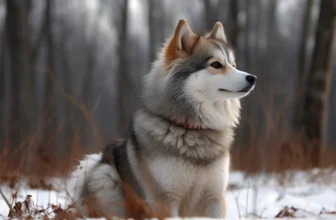
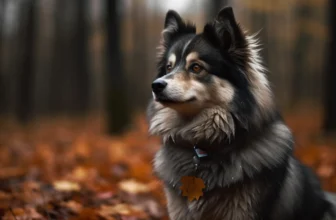
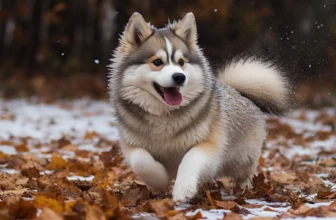
Pomskies inherit physical traits from both parent breeds, resulting in a wide range of appearances. However, there are some common characteristics that most Pomskies share:
- Fur Coat: Pomskies have a thick double coat that requires regular grooming to maintain its beauty. Their fur comes in various colors and patterns, including black, white, gray, brown, and even merle.
- Eyes: One of the most striking features of Pomsky pups is their expressive eyes. They can have blue eyes like Huskies, brown eyes like Pomeranians, or even heterochromia, where each eye has a different color.
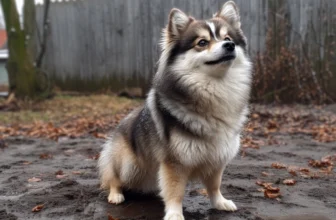
- Body Structure: Pomskies usually have a compact body with a curled tail similar to Pomeranians. However, their build resembles Huskies more than Pomeranians, giving them a slender and athletic appearance.
- Facial Features: Pomskies often inherit the fox-like face of their Pomeranian parent, with a small muzzle and erect ears. However, some may have a more Husky-like face with longer snouts.
Caring for Your Pomsky
Pomskies require proper care and attention to ensure they live healthy and happy lives. Here are some essential tips for caring for your adorable companion:
- Diet: Feed your Pomsky a balanced diet suitable for its size and activity level. Consult with your veterinarian to determine the right type and amount of food to keep your pup in optimal health.
- Exercise: Despite their small size, Pomskies need regular exercise to burn off energy. Daily walks, playtime, and mental stimulation activities are essential for keeping them physically and mentally fit.
- Grooming: Brush your Pomsky’s coat regularly to prevent matting and tangles. They shed moderately throughout the year, with heavier shedding during seasonal transitions. Bathing should be done as needed using dog-friendly shampoo.
- Training: Start training your Pomsky from an early age to ensure they grow up well-behaved and obedient. Positive reinforcement methods work best with this intelligent breed.
- Socialization: Expose your Pomsky to various environments, people, and animals from a young age to help them develop into confident and friendly dogs. Early socialization is crucial for preventing behavioral issues.
- Healthcare: Regular veterinary check-ups, vaccinations, and preventive treatments for fleas, ticks, and worms are essential to keep your Pomsky healthy. Be aware of potential breed-specific health issues and seek prompt veterinary care if needed.
Conclusion
Pomskies truly are an adorable and captivating breed that continues to capture the hearts of dog lovers worldwide. Understanding their size and appearance allows you to choose the right pup that fits your lifestyle and preferences. Remember, responsible breeding and proper care are key to ensuring the well-being of these charming companions. If you’re considering adding a Pomsky to your family, take the time to research reputable breeders and prepare yourself for a lifelong commitment filled with love, joy, and unforgettable moments.