How to Breed Pomsky Puppies: A Comprehensive Guide
Introduction
Pomskies are a relatively new and popular breed, gaining popularity due to their adorable looks and friendly personalities. They are a mix between Pomeranians and Huskies, resulting in a small but sturdy dog with the best of both breeds’ characteristics. However, breeding pomskies is not as simple as just crossing these two breeds, and there are several factors to consider before starting a breeding program. In this comprehensive guide, we will discuss everything you need to know about breeding pomsky puppies.
What is a Pomsky?
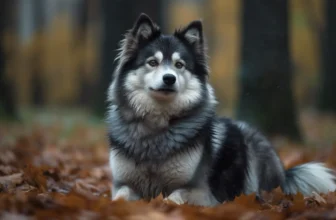
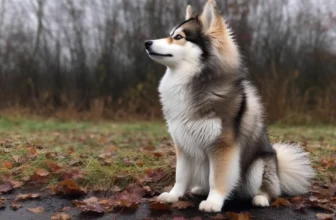
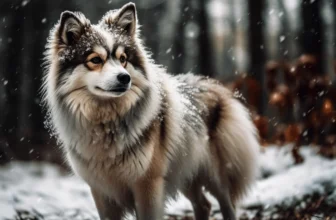
A pomsky is a hybrid breed that results from crossing a Pomeranian with a Siberian or Alaskan Husky. The result is an adorable little dog that typically weighs between 10-30 pounds when fully grown. Pomskies have become increasingly popular due to their cute looks, playful personalities, and intelligence.
Choosing the Right Breeding Pair
When it comes to breeding pomskies, choosing the right pair of dogs is crucial. Both the male and female should be healthy and free from any genetic disorders that could be passed onto their offspring. It is recommended that both dogs undergo genetic testing before breeding to ensure they do not carry any inherited diseases or conditions.
In addition to health concerns, temperament is also an important factor to consider when choosing a breeding pair. Pomskies are known for being friendly, intelligent, and playful. Therefore, it’s essential to choose dogs with similar personalities to ensure the puppies inherit these traits.
The Breeding Process
Breeding pomskies can be challenging because of the size difference between the two breeds. Typically, artificial insemination is used to overcome this challenge. Artificial insemination involves collecting semen from the male dog and implanting it into the female dog’s uterus.
The timing of breeding is also important. Female dogs are typically bred when they are in heat, which occurs every six months. It’s recommended to breed a female pomsky during their second or third heat cycle, as this is when they are most fertile.
Pregnancy and Whelping
The gestation period for pomskies is typically between 63-65 days. During pregnancy, it’s essential to monitor the female dog’s health closely. Regular check-ups with a veterinarian can help detect any potential issues early on.
Whelping, or giving birth to puppies, can be challenging for first-time mothers. It’s crucial to provide a comfortable and quiet space for the mother dog to give birth in, as well as monitoring her closely throughout the process. If any complications arise during whelping, it’s essential to seek veterinary assistance immediately.
Raising Pomsky Puppies
Once the puppies are born, it’s essential to provide them with proper care and attention. Pomsky puppies require plenty of socialization and exercise to develop into healthy and happy adult dogs. Early socialization involves exposing them to different people, animals, and environments to help them become well-adjusted adults.
It’s also critical to provide proper nutrition and healthcare for the puppies. A veterinarian can recommend the best diet and vaccination schedule for your puppies based on their individual needs.
Conclusion
Breeding pomsky puppies can be a rewarding experience, but it requires careful planning and consideration. Choosing the right breeding pair, timing the breeding correctly, monitoring pregnancy and whelping closely, and providing proper care for the puppies are all important factors in successfully breeding pomskies.
By following this comprehensive guide, you’ll have all the information you need to start your own pomsky breeding program successfully. Just remember always to prioritize the health and well-being of your dogs and their offspring.