Introduction
The Pomsky, a crossbreed between a Siberian Husky and a Pomeranian, has gained immense popularity in recent years due to its adorable appearance and charming personality. As an aspiring Pomsky breeder, you have the opportunity to be part of this growing trend while contributing to the preservation and improvement of this unique breed. This comprehensive guide will walk you through the essential steps involved in breeding healthy and well-adjusted Pomskies.
1. Understanding the Pomsky Breed
1.1 Origin and History
The Pomsky breed originated in the early 2000s when breeders sought to create a smaller version of the Siberian Husky with the Pomeranian’s desirable traits. It was primarily developed to cater to those who adore Huskies but prefer a smaller-sized dog. The goal was to combine the intelligence, energy, and striking looks of the Husky with the compact size and affectionate nature of the Pomeranian.
1.2 Appearance and Characteristics
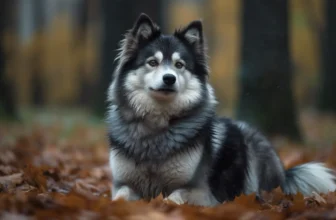
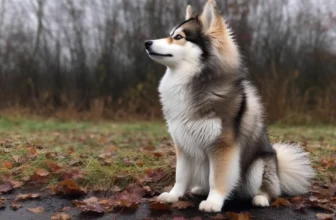
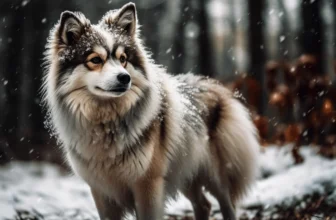
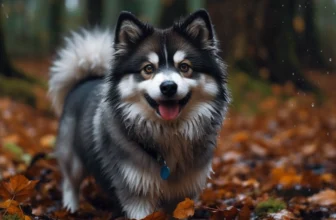
Pomskies are known for their beautiful coats that can vary in color, length, and texture. They usually have erect ears like a Husky, along with a fox-like face, expressive eyes, and a plumed tail that curls over their back. The adult size can range from small to medium, depending on the percentage of Husky genes inherited.
1.3 Temperament and Personality
Pomskies inherit personality traits from both parent breeds. They are typically intelligent, playful, loyal, and social dogs that thrive on human companionship. Pomskies are known for their friendly nature, making them excellent family pets. However, they may inherit some of the Husky’s independent and stubborn traits, requiring consistent training and socialization from an early age.
2. Preparing for Pomsky Breeding
2.1 Research and Education
Before embarking on your Pomsky breeding journey, it’s crucial to immerse yourself in extensive research about both parent breeds. Familiarize yourself with their characteristics, health issues, grooming needs, training requirements, and any potential challenges associated with their upbringing. Joining breed clubs or forums can provide valuable insights from experienced breeders.
2.2 Health Testing
Prioritize the health and well-being of your Pomskies by conducting thorough health tests on the parent dogs. This includes genetic testing for common breed-specific disorders like hip dysplasia, progressive retinal atrophy (PRA), patellar luxation, and cardiac issues. Only select dogs without hereditary diseases as breeding candidates to ensure the production of healthy offspring.
2.3 Establishing Breeding Stock
Building a strong foundation is essential for successful Pomsky breeding. Acquire high-quality Siberian Huskies and Pomeranians that possess desirable traits and conform to breed standards. Look for dogs with good temperament, sound structure, and excellent overall health. Remember that the quality of your breeding stock directly impacts the quality of your future litters.
3. The Breeding Process
3.1 Selecting Suitable Pairings
Careful consideration should be given to selecting appropriate pairs based on size compatibility, temperament traits, and desired coat colors/patterns. Since Pomskies are a hybrid breed, predicting the exact characteristics of each litter can be challenging. It’s important to maintain realistic expectations and prioritize health and temperament over aesthetic preferences.
3.2 Natural Breeding or Artificial Insemination
Decide whether natural breeding or artificial insemination is the best method for your pairings. While natural breeding allows for more natural selection and interaction, it may not always be feasible due to size differences between the parent breeds. Artificial insemination provides greater control over the breeding process but requires professional assistance.
3.3 Whelping and Puppy Care
Pomsky litters usually range in size from 2 to 6 puppies. Prepare a clean and comfortable whelping area where the mother can safely give birth and care for her puppies. Monitor the mother closely during labor and seek veterinary assistance if necessary. Pay attention to puppy nutrition, vaccination schedules, socialization, and early training to ensure their healthy development.
4. Responsible Pomsky Breeding
4.1 Ethical Considerations
Responsible breeding goes beyond simply producing puppies for profit. It involves prioritizing the well-being of the breed as a whole, avoiding excessive inbreeding, and promoting genetic diversity. Breeders should aim to improve the breed’s health, temperament, and conformation while adhering to ethical breeding practices.
4.2 Finding Suitable Homes for Puppies
Pomsky breeders have a responsibility to find suitable homes for their puppies. Implement a thorough screening process that includes interviews, home visits, and reference checks to ensure potential owners are prepared for the commitment of owning a Pomsky. Provide new owners with detailed care instructions and ongoing support throughout their dog’s life.
Conclusion
Breeding Pomskies is a rewarding endeavor that requires dedication, knowledge, and a genuine passion for the breed. By following this comprehensive guide, you’ll be equipped with the essential information and steps needed to become a successful Pomsky breeder. Remember to prioritize health, temperament, and responsible breeding practices to contribute positively to the Pomsky community while enriching the lives of countless families with these delightful hybrid dogs.