Introduction
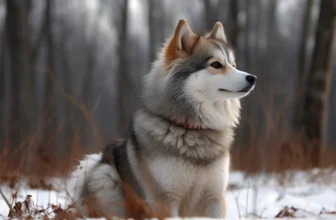
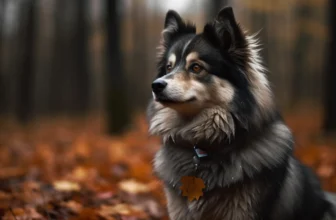
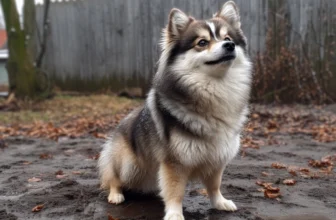
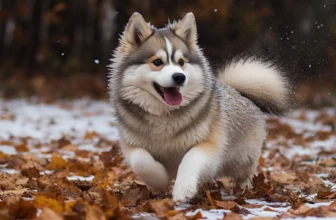
Pomskies are one of the most adorable and popular designer dog breeds in the world. They are a cross between Pomeranians and Siberian Huskies, which makes them an ideal choice for those who want to have the best of both worlds.
One question that many people ask when it comes to Pomskies is how much they weigh. In this article, we will discuss everything you need to know about the ideal weight for your furry friend.
Factors That Determine a Pomsky’s Weight
There are various factors that determine a Pomsky’s weight. Here are some of them:
Genetics
Just like humans, dogs inherit certain traits from their parents. The size and weight of a Pomsky depend on the genetics of its parents. If a Pomeranian parent is small in size, then there is a high chance that the Pomsky will be small as well.
Diet
A healthy diet is essential for any dog’s growth and development. A Pomsky’s diet should consist of high-quality protein, carbohydrates, vitamins, and minerals. Feeding your Pomsky a balanced diet can help maintain their ideal weight.
Exercise
Pomskies are an active breed that requires regular exercise to stay healthy. Lack of exercise can lead to obesity, which can cause various health problems such as joint issues, heart disease, and diabetes.
Ideal Weight Range for Pomskies
The ideal weight for a Pomsky depends on several factors such as age, gender, and genetics. However, on average, adult Pomskies weigh between 20-30 pounds.
Here is a breakdown of the ideal weight range for different sizes of Pomskies:
- Toy Pomskies – Weighs between 5-9 pounds
- Miniature Pomskies – Weighs between 10-20 pounds
- Standard Pomskies – Weighs between 20-30 pounds
How to Determine If Your Pomsky is Overweight
Obesity is a common problem in dogs that can lead to several health issues. Here are some signs that your Pomsky might be overweight:
- Difficulty breathing or panting after mild activities
- Unwillingness to exercise or play
- Lack of energy and lethargy
- Fatigue during walks or runs
- A noticeable layer of fat over the ribs, spine, and hips
- Difficulty standing up or lying down
- Excessive snoring while sleeping
- An increase in appetite or begging behavior for food and treats
If you notice any of these signs, you should consult with a veterinarian to determine if your Pomsky is overweight.
Tips on Maintaining Your Pomsky’s Ideal Weight
Maintaining your Pomsky’s ideal weight requires a combination of proper diet and regular exercise. Here are some tips on how to keep your furry friend healthy:
Dietary Management
You can maintain your Pomsky’s ideal weight by feeding them a balanced diet that comprises high-quality protein, carbohydrates, vitamins, and minerals. Avoid feeding your dog table scraps or unhealthy treats as they can add unnecessary calories to their diet.
Portion Control
Portion control is an essential aspect of maintaining your dog’s ideal weight. You should feed your Pomsky based on their weight, age, and activity level. Overfeeding your dog can lead to obesity and other health problems.
Regular Exercise
Pomskies are an active breed that requires regular exercise to stay healthy. You should take your Pomsky for a walk or run at least once a day. Playing with your pet is also an excellent way to keep them active and engaged.
Veterinary Care
Regular veterinary check-ups are essential for maintaining your Pomsky’s ideal weight. A veterinarian can provide advice on diet, exercise, and any underlying health issues that may affect your pet’s weight.
The Risks of Obesity in Pomskies
Obesity is a severe health problem in dogs that can lead to various diseases such as:
- Joint problems
- Heart disease
- Diabetes
- Cancer
- Respiratory problems
- High blood pressure
These problems can significantly reduce the lifespan of your furry friend. Therefore, it’s crucial to maintain your Pomsky’s ideal weight to prevent these issues from occurring.
Conclusion
Maintaining your Pomsky’s ideal weight is essential for their overall health and well-being. By following a balanced diet, portion control, and regular exercise, you can ensure that your furry friend stays healthy and happy.
If you notice any signs of obesity in your Pomsky, consult with a veterinarian immediately. With proper care and attention, you can help your furry friend live a long and healthy life.