Introduction
Pomskies are a relatively new breed of dog that has been gaining popularity among pet enthusiasts. They are a crossbreed between Pomeranians and Siberian Huskies, resulting in a unique appearance and temperament. One of the most common questions potential owners have is how big Pomskies grow. In this comprehensive guide, we will explore the various factors that affect Pomsky size and appearance.
Pomsky Size and Weight
The size and weight of a Pomsky can vary greatly depending on several factors, including genetics, diet, exercise, and overall health. As with any dog breed, there is no one-size-fits-all answer to this question. However, most Pomskies fall within a certain range when it comes to size and weight.
Toy Pomskies
Toy Pomskies are the smallest type of Pomsky and typically weigh between 5 and 10 pounds. These dogs are usually bred by crossing a teacup Pomeranian with a smaller Siberian Husky or Alaskan Klee Kai. Toy Pomskies are often referred to as “designer dogs” due to their small size and cute appearance.
Miniature Pomskies
Miniature Pomskies are the most popular type of Pomsky and typically weigh between 15 and 25 pounds. These dogs are bred by crossing a standard Pomeranian with a larger Siberian Husky or Alaskan Klee Kai. Miniature Pomskies are known for their energetic personalities and playful nature.
Standard Pomskies
Standard Pomskies are the largest type of Pomsky and typically weigh between 30 and 50 pounds. These dogs are bred by crossing a large Pomeranian with a full-sized Siberian Husky or Alaskan Malamute. Standard Pomskies are known for their strength and athleticism and are often used as working dogs.
Pomsky Appearance
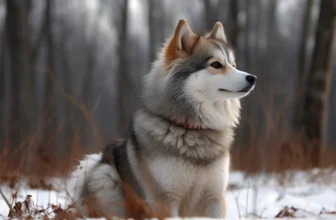
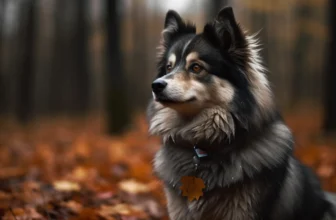
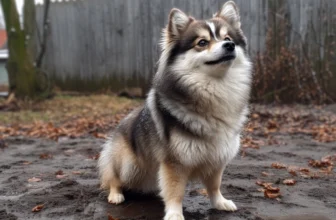
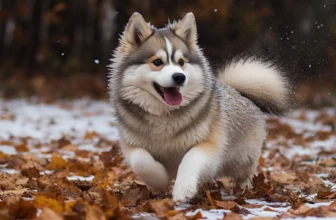
Pomskies have a unique appearance that is a result of their Pomeranian and Siberian Husky heritage. They are typically small to medium-sized dogs with long, fluffy coats and pointed ears. Pomskies can come in a variety of colors, including white, black, gray, brown, and red.
Coat Type
The coat type of a Pomsky can vary depending on the genetics of the parents. Some Pomskies have a straight, silky coat like a Pomeranian, while others have a thicker, more dense coat like a Siberian Husky. Typically, Pomskies have medium-length hair that requires regular grooming to prevent matting and tangling.
Eyes
Pomskies have bright, expressive eyes that can range in color from blue to brown to green. Some Pomskies even have heterochromia, which means they have two different colored eyes. The shape of a Pomsky’s eyes is usually almond-shaped and set slightly apart.
Body Shape
The body shape of a Pomsky can vary depending on the size of the dog. Toy Pomskies tend to be more compact with shorter legs and a rounder body shape, while Standard Pomskies are more elongated with longer legs and a leaner body shape. Regardless of size, all Pomskies are known for their muscular build and athletic ability.
Factors That Affect Pomsky Size and Appearance
Several factors can affect the size and appearance of a Pomsky. These include genetics, diet, exercise, and overall health.
Genetics
Genetics play a significant role in determining the size and appearance of a Pomsky. The size and weight of the parents can give breeders an idea of what to expect from their offspring. However, there is always some degree of variability when it comes to crossbreeding, which means that not all Pomskies will look or act the same.
Diet
Diet plays a crucial role in the overall health and development of a Pomsky. A well-balanced diet that is rich in protein, vitamins, and minerals can help ensure that your dog grows up healthy and strong. Feeding your Pomsky too many treats or table scraps can lead to weight gain and other health problems.
Exercise
Exercise is essential for maintaining the health and well-being of a Pomsky. Regular exercise can help prevent obesity, promote cardiovascular health, and strengthen muscles and bones. Depending on the size of your Pomsky, you may need to provide more or less exercise to keep them healthy.
Overall Health
Finally, overall health plays a significant role in the size and appearance of a Pomsky. Regular check-ups with a veterinarian can help identify any underlying health issues that could be affecting your dog’s growth or development. Ensuring that your Pomsky is up-to-date on vaccinations and parasite prevention can also help keep them healthy.
Conclusion
In conclusion, the size and appearance of a Pomsky can vary greatly depending on several factors, including genetics, diet, exercise, and overall health. While there is no one-size-fits-all answer to how big do Pomskies grow, most fall within a certain range based on their parentage. If you are considering getting a Pomsky as a pet, it’s essential to do your research and make sure you are prepared for the unique needs and requirements of this breed. With proper care and attention, however, a Pomsky can make a loving and loyal companion for many years to come.