How Big Do Mini Pomskies Get? Understanding the Size and Appearance of Pomskies
Pomskies are a relatively new breed that has become increasingly popular over the past few years. They are a crossbreed between a Pomeranian and a Siberian Husky, resulting in an adorable and playful dog with unique characteristics. One of the most common questions that potential pomsky owners ask is how big do mini pomskies get? In this article, we will explore the size and appearance of pomskies.
The Basics of Pomskies
Before we dive into the size and appearance of pomskies, let’s take a quick look at what makes them so special. As mentioned earlier, they are a crossbreed between two different breeds – Pomeranians and Siberian Huskies. This means that they inherit certain traits from both breeds.
Pomeranians are known for being small, fluffy dogs that make great companions. They are typically between 7-12 inches tall and weigh between 3-7 pounds. On the other hand, Siberian Huskies are much larger dogs that were originally bred as working dogs. They can grow up to 23 inches tall and weigh up to 60 pounds.
When you combine these two breeds, you get a pomsky – a dog that is smaller than a husky but larger than a Pomeranian. The size and appearance of each pomsky can vary depending on their parents’ size and genetics.
Understanding Mini Pomskies
Mini pomskies are typically on the smaller side of the breed spectrum. They are usually bred by crossing a Pomeranian with a smaller Siberian Husky or another pomsky. As such, they tend to be more compact than standard-sized pomskies.
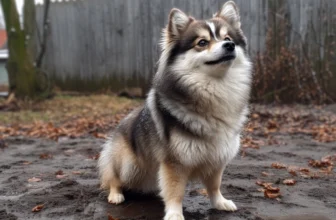
The size of mini pomskies can vary quite a bit, but they are usually between 10-15 inches tall and weigh between 10-20 pounds. This makes them a great choice for people who want a smaller dog but still want the unique characteristics of a pomsky.
It’s important to note that there is no official size or weight standard for pomskies – each breeder may have their own standards and preferences. However, mini pomskies are generally smaller than standard-sized pomskies.
Factors That Affect Pomsky Size
As with any breed, there are certain factors that can affect the size and appearance of pomskies. These include:
Genetics: As with any crossbreed, the genetics of both parents play a significant role in determining the size and appearance of their offspring. If the Pomeranian parent is small and the Siberian Husky parent is large, the resulting pomsky may be larger than if both parents were smaller.
Diet: Proper nutrition is essential for all dogs, but it’s especially important for growing puppies. Feeding your pomsky a healthy diet can help ensure they reach their full potential in terms of size and growth.
Exercise: Regular exercise is crucial for keeping your pomsky healthy and fit. It can also help prevent obesity, which can lead to health problems down the line.
Health Issues: Some health issues can affect a dog’s growth and development. If you have concerns about your pomsky’s size or appearance, it’s always best to consult with your veterinarian.
Pomsky Appearance
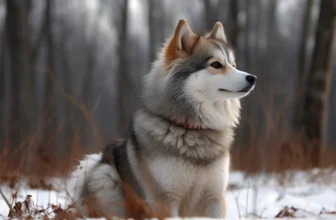
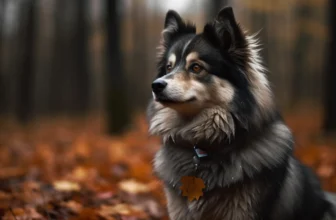
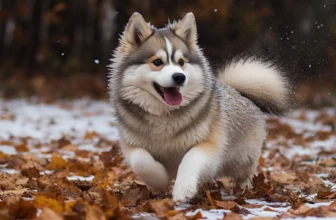
Aside from their size, pomskies are known for their unique appearance. They tend to have a fluffy coat like Pomeranians but with coloring and markings similar to Siberian Huskies. Their ears are often erect like huskies but can also be floppy like Pomeranians.
Pomskies can come in a wide variety of colors, including black, gray, brown, and white. Some may have distinct markings on their fur, such as a mask or stripes.
In terms of facial features, pomskies tend to have a more wolf-like appearance than Pomeranians. They often have longer snouts and sharper features, resembling their husky parent.
Caring for Your Pomsky
Regardless of their size or appearance, all pomskies require proper care and attention to thrive. Here are some tips for caring for your pomsky:
Grooming: Pomskies have thick coats that require regular grooming to prevent matting and tangling. Brushing them several times a week can help keep their coat looking healthy and shiny.
Exercise: As mentioned earlier, regular exercise is essential for keeping your pomsky healthy and fit. Take them for daily walks or play with them in the backyard to help burn off excess energy.
Diet: Feeding your pomsky a healthy diet is crucial for their growth and development. Choose high-quality dog food that meets their nutritional needs and avoid overfeeding them to prevent obesity.
Training: Like all dogs, pomskies benefit from training and socialization from a young age. This can help prevent behavior issues down the line and make them well-behaved members of your family.
In Conclusion
Pomskies are an adorable and unique breed that has become increasingly popular in recent years. Mini pomskies are a smaller version of the breed that can make great companions for people who want a smaller dog with big personality. Understanding the factors that affect pomsky size and appearance can help you choose the right dog for your lifestyle and ensure you provide them with the best possible care.