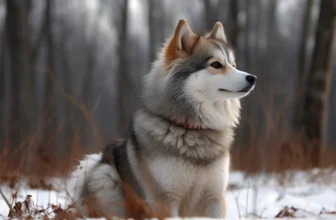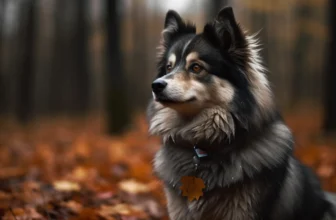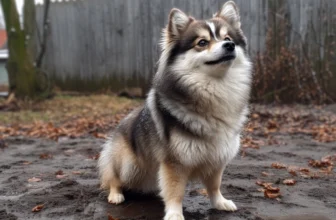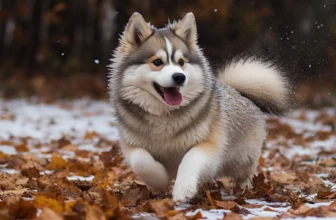
Full Grown Pomsky Puppies: What to Expect from Your Adult Pomsky
Pomskies are one of the most popular designer breeds today, and for a good reason. They are a mixture of two very adorable breeds, the Siberian Husky and the Pomeranian. These dogs have become favorites of dog lovers all over the world, especially those who want to own a small and cuddly dog that also has the energy and personality of a husky.
However, as with any other breed, it is essential to understand what you can expect from your pomsky puppy when he grows up. In this article, we will discuss everything you need to know about full-grown pomskies and what you should expect from them.
The Size of Full-Grown Pomskies
One of the most common questions people ask about pomskies is how big they get when they grow up. The answer is not straightforward since their size depends on several factors such as genetics, diet, and exercise.
On average, a fully grown pomsky can weigh between 20-30 pounds and stand about 10-15 inches tall at the shoulder. However, some may be smaller or larger than this range depending on their parents’ size.
It is essential to keep in mind that pomskies are not purebred dogs, so their size can vary significantly. If you want a specific size, it is best to work with a reputable breeder who can give you an idea of what your puppy will look like when he grows up.
Coat Type and Colors
Pomskies have beautiful coats that come in different colors and patterns. Their fur can be long or short depending on their parent’s traits. Generally speaking, they have soft and fluffy coats that require regular grooming to keep them healthy and shiny.
The most common coat colors for pomskies are black, white, grey, and brown. However, you may also find other colors such as cream, tan, and red. Some pomskies have distinctive markings on their coats that make them even more unique.
Temperament and Personality
Pomskies are known for their playful and outgoing personalities. They are incredibly loyal to their owners and love to be around people. These dogs are also very intelligent and can learn new tricks quickly.
However, as with any other breed, there is always a risk of behavioral issues if the dog is not trained correctly. Pomskies can become destructive if they are left alone for too long or not given enough exercise. Therefore, it is essential to provide your dog with plenty of physical and mental stimulation to keep him happy and healthy.
Exercise Needs
Pomskies have high energy levels and require regular exercise to stay healthy. Ideally, they should get at least 30 minutes of moderate exercise every day. This can include walks, runs, or playtime in the yard.
It is crucial to note that pomskies thrive when they have access to a fenced yard where they can run around freely without any danger of running away or getting into trouble. If you live in an apartment or do not have a yard, you will need to take your dog out for regular walks or trips to the park.
Dietary Needs
Pomskies require a balanced diet that provides them with all the nutrients they need to stay healthy. It is essential to feed them high-quality dog food that contains protein, fiber, vitamins, and minerals.
Additionally, you should avoid giving your pomsky human food or treats that contain high levels of sugar or fat. These can lead to obesity and other health problems over time.
Health Issues
Like all dogs, pomskies are prone to certain health issues. These include hip dysplasia, eye problems, and allergies. It is essential to work with a reputable breeder who screens their dogs for these conditions and ensures that they are healthy before selling them.
Additionally, you should take your pomsky to the vet regularly for check-ups and vaccinations. This will help ensure that your dog stays healthy and happy throughout his life.
Training
Pomskies are highly intelligent dogs that can learn new tricks quickly. However, they can also be stubborn at times and may require a bit of patience during training.
It is best to start training your pomsky from a young age to establish good behavior habits early on. Positive reinforcement techniques such as treats and praise work well with these dogs.
Additionally, socializing your pomsky from a young age is crucial to prevent behavioral issues later on. Exposing him to different people, animals, and environments will help him become a confident and well-behaved dog.
Conclusion
In conclusion, full-grown pomskies make great pets for anyone looking for a small but energetic dog with a big personality. They are loyal, playful, and intelligent animals that thrive in loving homes.
However, it is important to understand what you can expect from your adult pomsky before bringing one into your home. By providing proper care, exercise, training, and nutrition, you can ensure that your pomsky lives a long and happy life by your side.