Introduction
Pomskies are a relatively new hybrid breed that has become increasingly popular in recent years. These small and adorable dogs are a cross between Pomeranians and Siberian Huskies, resulting in a unique mix of their parents’ characteristics. One of the most common questions that potential owners have is whether Pomskies grow big or stay small. In this guide, we will discuss the factors that influence Pomsky size and appearance.
Pomsky Size
The size of a Pomsky can vary depending on several factors, including genetics, diet, exercise, and overall health. Typically, Pomskies stand between 10-15 inches tall at the shoulder and weigh between 20-30 pounds when fully grown. However, some Pomskies can be smaller or larger than this range.
Genetics
Genetics play a significant role in determining the size of your Pomsky. The size of your dog’s parents will largely influence the size of your Pomsky. If both parents are on the smaller side, then your Pomsky is more likely to be smaller as well. Conversely, if one parent is larger than the other, then your Pomsky may fall somewhere in between.
Diet
Diet also plays an important role in determining the size of your Pomsky. A well-balanced diet with appropriate portions can help ensure that your dog maintains a healthy weight. Overfeeding can lead to obesity, which can cause health problems and shorten your dog’s lifespan.
Exercise
Regular exercise is essential for maintaining your dog’s overall health and ensuring that they maintain a healthy weight. A lack of exercise can lead to weight gain, which can cause joint problems and other health issues.
Overall Health
Your dog’s overall health can also affect their size. Health problems such as thyroid issues, heart disease, and other conditions can cause weight gain or loss, which can affect your Pomsky’s size.
Pomsky Appearance
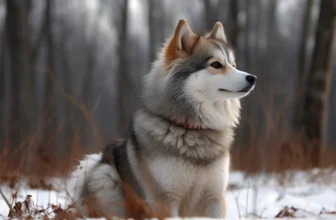
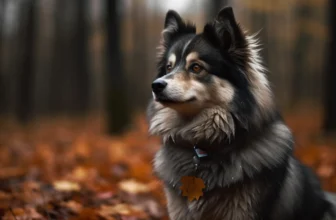
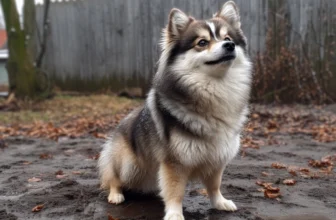
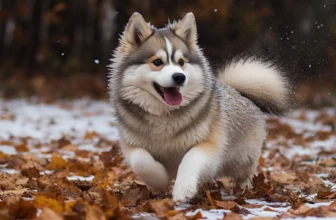
Pomskies have a unique appearance that combines the characteristics of both Pomeranians and Siberian Huskies. They typically have a fluffy coat and pointed ears, like their Pomeranian parent, and the distinctive markings of a husky. Their eyes can be blue, brown, or a combination of both.
Coat Color
Pomskies can come in a variety of colors, including black, white, gray, red, and brown. Some Pomskies even have a merle pattern or a combination of colors.
Coat Length
The length of your Pomsky’s coat will largely depend on their genetics. Some Pomskies may have longer hair like their Siberian Husky parent, while others may have shorter hair like their Pomeranian parent.
Ears
Pomskies typically have pointed ears that stand up straight. However, some Pomskies may inherit floppy ears from their Pomeranian parent.
Eyes
Pomskies can have blue eyes like their Siberian Husky parent or brown eyes like their Pomeranian parent. Some Pomskies even have one blue eye and one brown eye.
Pomsky Breeding
Breeding Pomskies is a complex process that requires careful consideration to ensure the health and well-being of both the parents and offspring. It is essential to work with a reputable breeder who has experience breeding pomskies.
Breeding Process
The breeding process for pomskies involves cross-breeding a Pomeranian with a Siberian Husky. This is typically done through artificial insemination, as the size difference between the two breeds makes natural breeding difficult.
Health Considerations
Pomskies are prone to certain health issues, including hip dysplasia, eye problems, and thyroid issues. It is essential to ensure that both parents undergo health screenings before breeding to reduce the risk of passing on these conditions to their offspring.
Reputable Breeders
When looking for a Pomsky breeder, it is crucial to work with a reputable breeder who has experience breeding pomskies. A good breeder will be transparent about their breeding practices and provide you with health records for both parents and their offspring.
Caring for Your Pomsky
Caring for your Pomsky involves providing them with a healthy diet, regular exercise, and routine veterinary care. It is also essential to provide your dog with socialization and training to ensure that they are well-behaved and happy.
Diet
A well-balanced diet is essential for maintaining your Pomsky’s overall health. It is recommended to feed your dog high-quality dog food that meets their nutritional needs based on their age, weight, and activity level.
Exercise
Regular exercise is essential for keeping your Pomsky healthy and happy. It is recommended to provide your dog with at least 30 minutes of exercise each day, such as going for walks or playing fetch in the yard.
Veterinary Care
Routine veterinary care is essential for ensuring that your Pomsky remains healthy throughout their life. Regular check-ups can help detect any health issues early on when they are easier to treat.
Socialization and Training
Socialization and training are critical for ensuring that your Pomsky is well-behaved and happy. It is recommended to socialize your dog from a young age and provide them with basic obedience training.
Conclusion
Pomskies are a unique and adorable hybrid breed that has become increasingly popular in recent years. Their size and appearance can vary depending on several factors, including genetics, diet, exercise, and overall health. It is essential to work with a reputable breeder when breeding pomskies and providing your dog with proper care to ensure their health and happiness. With the right care, Pomskies can make fantastic pets for families and individuals alike.