All You Need to Know About Pomsky Breed
If you’re looking for an adorable and loving pet, then the Pomsky breed might be the perfect choice for you. These cute little dogs are a cross between two popular breeds, the Pomeranian and the Siberian Husky. They are relatively new to the dog world, but they have quickly become one of the most sought-after breeds due to their unique appearance and charming personalities.
In this article, we will discuss everything you need to know about Pomsky breed from their history, appearance, temperament, training, health issues, and much more.
History of Pomsky Breed
The Pomsky is a hybrid dog that originated in the United States in the early 2000s. The breed was created by crossing a Pomeranian with a Siberian Husky. The idea behind creating this breed was to combine the best traits of both breeds into one adorable package.
The exact origin of Pomskies is unclear. However, it is believed that they may have first been bred in Alaska or Canada. As with many hybrid breeds, it is difficult to determine when and where the first Pomskies were born.
Appearance of Pomsky Breed
Pomskies are small to medium-sized dogs that can weigh anywhere from 10 to 38 pounds and stand at 10 to 15 inches tall. Their appearance can vary depending on which parent breed they take after more.
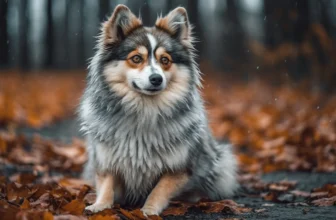
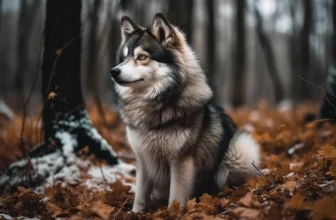
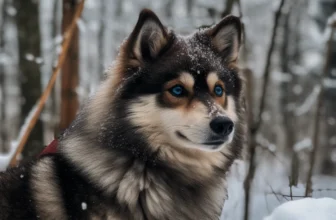
Generally speaking, Pomskies have fluffy coats that come in a variety of colors such as black, white, gray, brown, red, and cream. Their fur can be long or short and often has a curly texture. They have pointy ears like their Husky parent and round eyes like their Pomeranian parent.
One thing that sets them apart from other breeds is their distinctive mask-like pattern around their eyes, which makes them look like tiny wolves. Overall, they have a cute and cuddly appearance that is hard to resist.
Temperament of Pomsky Breed
Pomskies are known for their friendly and outgoing personalities. They are affectionate with their owners and love being around people. They also get along well with children and other pets, making them an excellent family pet.
One thing to keep in mind is that Pomskies can be quite energetic, so they require regular exercise and playtime. However, they are adaptable to different living situations and can do well in smaller apartments as long as they get enough exercise.
They also have a strong prey drive due to their Husky background, so it’s important to keep them on a leash when walking or playing outside. Overall, Pomskies make great companions for those looking for a loyal and loving pet.
Training of Pomsky Breed
Pomskies are intelligent dogs that are eager to please their owners. However, they can be stubborn at times, especially if they take after their Pomeranian parent. This means that consistent training is necessary to ensure that they behave appropriately.
Start training your Pomsky early on using positive reinforcement techniques such as treats and praise. Consistency is key when it comes to training these dogs. Teach them basic commands such as sit, stay, come, and heel.
Socializing your Pomsky from an early age is also important to ensure that they get along well with other dogs and people. Proper socialization will help prevent any aggressive behavior towards other animals or humans.
It’s worth noting that Pomskies tend to bark a lot, so it’s essential to train them not to bark excessively. This can be achieved through proper training and obedience classes if necessary.
Health Issues of Pomsky Breed
As with all breeds, there are some health issues that are more common in Pomskies. These include:
Hip Dysplasia:
This is a common condition in larger breeds such as Huskies that can be passed down to their offspring. It occurs when the hip joint doesn’t develop properly, causing pain and discomfort for the dog.
Eye Problems:
Pomskies can also be prone to eye problems such as cataracts, progressive retinal atrophy (PRA), and glaucoma. Regular vet check-ups are essential to catch any eye problems early on.
Dental Issues:
Pomskies are also prone to dental issues such as gum disease and tooth loss. Proper dental care such as regular brushing and dental cleanings can help prevent these issues.
Caring for Pomsky Breed
Caring for a Pomsky is relatively easy compared to other breeds. They require regular grooming to keep their coat healthy and free from tangles or mats. Brush their fur at least once a week, bathe them every few months, and trim their nails regularly.
Feed your Pomsky a high-quality diet that is appropriate for their size and activity level. Avoid overfeeding them as they can quickly gain weight, leading to obesity-related health issues.
Regular exercise is also important for Pomskies. Take them for walks or playtime in the backyard daily to burn off excess energy.
Finally, make sure your Pomsky has plenty of attention and affection from you. They thrive on human interaction and need lots of love and attention to be happy.
Conclusion
Overall, Pomskies are an excellent choice for those looking for a loving and loyal pet with a cute appearance. They have a unique personality that combines the best traits of both Pomeranians and Huskies, making them a popular breed in recent years.
However, it’s important to remember that Pomskies require consistent training, regular exercise, and proper grooming to ensure that they remain healthy and happy. With the right care, a Pomsky can be a wonderful addition to any family.