The Pomsky Breed: A Perfect Combination of Husky and Pomeranian
If you are considering adopting a Pomsky, it is essential to understand the characteristics and traits of this unique designer breed. A Pomsky is a crossbreed between a Siberian Husky and a Pomeranian, resulting in an adorable hybrid that combines the best of both worlds.
Size and Appearance
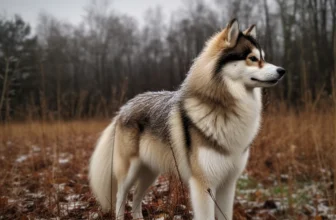
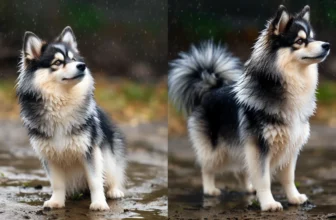
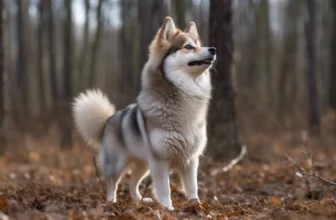
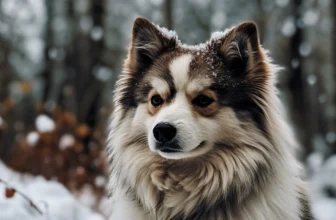
Pomskies come in various sizes, depending on the parent breeds’ size. The average weight of a Pomsky can range from 20 to 30 pounds, with some larger ones reaching up to 40 pounds. They often inherit the striking blue or multicolored eyes from their Husky parent, along with the fluffy coat and compact size of a Pomeranian. Their appearance can vary greatly, making each Pomsky unique and captivating.
Temperament and Personality
Pomskies tend to have an energetic and playful personality, just like their Husky heritage. They are highly intelligent dogs that require mental stimulation and regular exercise to prevent boredom and destructive behavior. As a result of their Pomeranian lineage, they also possess affectionate and loving traits towards their family members.
It’s important to note that each Pomsky may have individual temperaments influenced by their specific genetic makeup. Some may lean more towards the Husky side, displaying independent behaviors, while others may exhibit more Pomeranian-like characteristics such as being outgoing and social.
Grooming Needs
A Pomsky’s coat requires regular maintenance to keep it healthy and looking its best. Depending on the length of their fur, they may need to be brushed at least once or twice a week. This helps prevent matting and keeps their coat shiny and tangle-free. Additionally, regular bathing is necessary to keep them clean and fresh.
It’s worth noting that Pomskies are moderate shedders, so if you have allergies or prefer a dog with minimal shedding, this might not be the ideal breed for you.
Training and Socialization
Given their high intelligence, Pomskies are generally quick learners and eager to please their owners. However, training can sometimes be a challenge due to their independent nature inherited from the Husky side. Consistency, positive reinforcement, and early socialization are crucial when training a Pomsky.
Pomskies benefit greatly from early exposure to different people, animals, and environments. This helps them develop into well-rounded adult dogs who are comfortable in various situations. Puppy classes or obedience training programs can provide an excellent foundation for their socialization needs.
Exercise Requirements
As energetic dogs, Pomskies require regular exercise to stay happy and healthy. Daily walks, play sessions, and mental stimulation activities like puzzle toys or obedience training are essential for their well-being. Without proper exercise outlets, they may become bored and engage in destructive behaviors such as excessive chewing or digging.
Health Considerations
Pomskies are generally healthy dogs but can inherit certain health issues from their parent breeds. Some common health concerns include:
- Eye Problems: Due to the Husky lineage, Pomskies may be prone to eye conditions like cataracts or progressive retinal atrophy (PRA).
- Dental Issues: Pomeranians often have dental problems, so dental care is crucial for Pomskies to maintain good oral health.
- Joint Dysplasia: Both Huskies and Pomeranians are prone to joint issues like hip dysplasia, so it’s essential to provide proper nutrition and regular exercise to prevent these conditions.
Regular veterinarian check-ups, a balanced diet, and maintaining a healthy weight can help mitigate potential health concerns in Pomskies.
Finding a Reputable Breeder
When considering adopting a Pomsky, it is vital to find a reputable breeder who prioritizes the welfare of their dogs. Here are some key points to keep in mind when searching for a breeder:
- Research: Look for breeders with positive reviews and recommendations from previous customers. Investigate their breeding practices and ensure they prioritize the health and well-being of their dogs.
- Health Clearances: Responsible breeders conduct health screenings on their parent dogs to minimize the risk of passing on genetic diseases.
- Transparency: A reputable breeder should be willing to share information about the parents’ breeds, health history, and any potential genetic issues that may affect the offspring.
- Contract and Support: A reliable breeder will provide a written contract outlining responsibilities, guarantees, and support throughout the dog’s life.
Pomsky Adoption: A Lifetime Commitment
Pomskies can live up to 12-15 years, so adopting one requires a long-term commitment. Before bringing home a Pomsky, consider the following:
- Schedule: Assess your daily routine and ensure you have enough time to dedicate to exercising, training, and providing love and attention to your Pomsky.
- Space: Pomskies can adapt well to apartment living as long as they receive sufficient exercise. However, a house with a fenced yard provides them with more room to play and explore.
- Family Compatibility: Consider whether a Pomsky’s temperament aligns with your family dynamics. While they are generally good with children, supervision is always recommended.
- Maintenance Costs: Factor in the costs of food, grooming, veterinary care, and potential training classes or daycare services.
In Conclusion
A Pomsky can be an excellent addition to your family if you are prepared for the unique traits and requirements of this hybrid breed. They are loyal companions who thrive in loving homes that provide mental and physical stimulation. By understanding their needs, finding a reputable breeder, and committing to their lifelong care, you can experience the joy and companionship that a Pomsky brings.