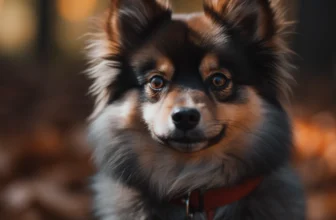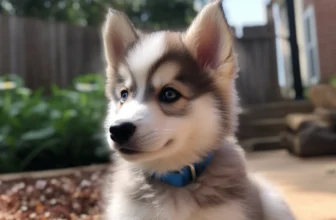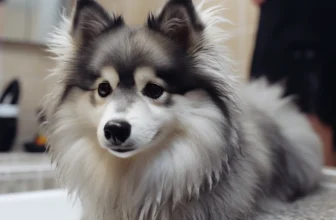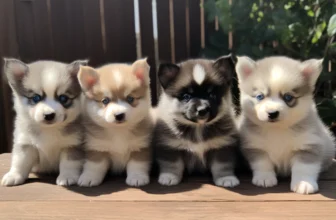
If you’re thinking about getting a Pomsky, or are just curious about these adorable dogs, read on to learn everything you need to know about them.
What is a big pomsky
A pomsky is a relatively new hybrid dog breed that is created by crossing a Siberian Husky with a Pomeranian. The resulting offspring are said to inherit the best traits of both parent breeds, including a friendly, outgoing personality and a thick, fluffy coat. Pomskies are also said to be highly intelligent and very easy to train. Because they are still a relatively new breed, there is currently no standard size for pomskies, but they typically range from 15 to 30 pounds and stand about 16 inches tall at the shoulder.
How much does a big pomsky weigh
A big pomsky typically weighs between 20 and 30 pounds. However, some have been known to weigh up to 40 pounds.
What is the average lifespan of a big pomsky
A big pomsky is a mix between a Siberian Husky and a Pomeranian. They are considered to be a medium-sized dog breed.
The average lifespan of a big pomsky is 12 to 15 years. This is longer than the average lifespan of a purebred Siberian Husky, which is 11 to 13 years. However, it is shorter than the average lifespan of a purebred Pomeranian, which is 14 to 16 years.
Big pomskys are relatively healthy dogs. However, like all dogs, they are susceptible to certain health conditions. The most common health problems seen in big pomskys include hip dysplasia, elbow dysplasia, and eye problems.
Hip dysplasia is a condition that affects the hip joint. It is caused by the improper development of the hip joint. Elbow dysplasia is a condition that affects the elbow joint. It is caused by the improper development of the elbow joint. Eye problems can include cataracts, glaucoma, and progressive retinal atrophy.
Fortunately, there are things that you can do to help your big pomsky live a long and healthy life. First and foremost, make sure that you take them to the vet for regular checkups and vaccinations. Secondly, feed them a high-quality diet and give them plenty of exercise. Finally, avoid exposing them to environmental hazards such as cigarette smoke and toxic chemicals. By following these simple tips, you can help your big pomsky live a long and healthy life.
How much does a big pomsky cost
A pomsky is a hybrid or designer dog breed that is created by crossing a Siberian Husky with a Pomeranian. Pomskies are considered to be one of the most popular dog breeds in the world and are known for their loyalty, intelligence and playful nature.
So, how much does a big pomsky cost? Well, it really depends on where you get your dog from and what type of pomsky you want. If you are looking for a show-quality pomsky, then you can expect to pay anywhere from $2,000 to $5,000. However, if you are just looking for a pet-quality pomsky, then you can probably find one for around $1,500.
Of course, the price of a pomsky is not just about the initial purchase price. You also have to factor in things like food, vet bills, toys and other supplies. However, all of these costs are relatively reasonable when compared to other dog breeds.
So, if you are looking for a loyal, intelligent and playful dog that will bring lots of joy into your life, then a pomsky might be the perfect choice for you. Just be prepared to spend a bit of money upfront in order to get the best possible dog.
Are big pomskys good with children
How much exercise does a big pomsky need
A big pomsky needs a lot of exercise. They are very active dogs and need to be taken on a daily walk or run. If you do not have the time to do this, then you should consider getting a smaller dog.
What are the grooming requirements for a big pomsky
When it comes to picking the right dog for you and your family, there are a lot of factors to consider. But one of the most important things to think about is what kind of grooming requirements your new pup will have. Some dogs need to be groomed daily, while others can get by with just a weekly brushing. Then there are those special dogs that only need a bath once a month! So, what are the grooming requirements for a big pomsky?
First, let’s talk about what a pomsky is. A pomsky is a hybrid dog breed that is created by crossing a Siberian Husky with a Pomeranian. These dogs are relatively new to the scene, but they’re already becoming quite popular. They’re known for their thick, fluffy coats and their friendly, outgoing personalities.
Now, onto the grooming requirements! Because pomskies have such thick coats, they will need to be brushed daily. This will help to prevent matting and tangles, and it will also help to keep their coat looking nice and healthy. In addition to daily brushing, pomskies will also need to be bathed once a week. Be sure to use a mild shampoo on these dogs, as their skin is sensitive.
After their bath, be sure to dry your pomsky off thoroughly. These dogs are susceptible to colds, so you don’t want them to catch a chill! Once they’re dry, you can apply a conditioner to their coat. This will help to keep their fur soft and shiny.
Finally, you’ll need to trim your pomsky’s nails on a regular basis. You can do this yourself at home with some dog nail trimmers, or you can take them to a professional groomer. Either way, keeping their nails trimmed is important for their overall health and wellbeing.
So there you have it – the grooming requirements for a big pomsky! Just remember to brush them daily, bathe them weekly, and trim their nails regularly. With proper care, your pomsky will stay healthy and happy for years to come!
What health problems do big pomskys typically have
Big pomskys typically have a few health problems that are relatively common in the breed. They are prone to hip and elbow dysplasia, as well as eye problems such as PRA (progressive retinal atrophy). Additionally, they can suffer from von Willebrand’s disease, which is a blood clotting disorder. Thankfully, responsible breeders are usually very diligent about health testing their dogs before breeding them, so these problems are not as common as they could be.
Despite their potential health problems, big pomskys are generally a very healthy and hearty breed. They are active and athletic dogs that love to play and exercise. As long as they are given plenty of opportunity to do so, they will typically stay healthy and happy throughout their lives.
How do I train a big pomsky
Pomsky training can be divided into two categories: obedience training and behavior modification. Both are important, but obedience training is the foundation for everything else. It teaches your pomsky basic commands like sit, down, stay, come, and heel. Once your pomsky masters these commands, you can move on to behavior modification.
The most important thing to remember when training a pomsky is to be consistent. Dogs learn best when they are given clear and consistent commands. If you are not consistent with your commands, your pomsky will become confused and will not respond to you.
When it comes to obedience training, there are a few basic commands that all pomskies should know. The first is sit. To teach your pomsky to sit, hold a treat in front of its nose and say ?€?sit.?€? When your pomsky sits, give it the treat.
Down is another important command for pomskies. To teach your pomsky to lie down, hold a treat in front of its nose and say ?€?down.?€? When your pomsky lies down, give it the treat.
Stay is another important command for pomskies. To teach your pomsky to stay, give the command ?€?stay?€? and then back away from your pomsky. If your pomsky stays put, give it a treat. If it does not stay put, give the command again and try backing away a little further.
Come is an important command for pomskies because it helps keep them safe. To teach your pomsky to come, call its name and then walk away from it. When your pomsky comes to you, give it a treat.
Heel is an important command for pomskies because it keeps them from getting underfoot and tripping you up. To teach your pomsky to heel, put a leash on it and then walk in front of it while saying ?€?heel.?€? When your pomsky walks next to you without pulling ahead or lagging behind, give it a treat.
Once your pomsky has mastered the basic obedience commands, you can move on to behavior modification. One common behavior problem that pomskies have is barking. If your pomsky is barking excessively, there are a few things you can do to stop it.
First, make sure that your pomsky has plenty of toys and chew treats available so that it has something to do instead of bark. Second, if your pomsky is barking for attention, try ignoring it until it stops barking. Once it has stopped barking, praise it and give it a treat. Finally, if your pomsky is barking out of fear or excitement, try desensitizing it to the things that trigger the barking. For example, if your pomsky barks every time someone comes to the door, have someone come to the door several times a day without coming inside so that your pomsky gets used to the sight and sound of someone coming to the door.
Pomskies are intelligent dogs that can be trained to do almost anything you want them to do. With patience and consistency, you can train your pomsky to be a well-behaved dog that is a joy to be around.
What should I feed my big pomsky
If you’re the proud owner of a big pomsky, congratulations! You’ve got one of the most unique and beautiful dogs out there. But with that big size comes some big responsibility – namely, making sure your pup is getting the right nutrition to stay healthy and happy.
So, what should you feed your big pomsky? Here are a few things to keep in mind:
1. Size Matters
When it comes to food, size matters – and that’s especially true for big pomskys. Because they’re so much bigger than regular pomskys, they need more food to maintain their energy levels and stay healthy. So, make sure you’re feeding them accordingly.
2. Get the Right Balance
Pomskys need a diet that’s high in protein and fat but low in carbohydrates. This helps them maintain their lean muscle mass and provides them with the energy they need to stay active. A good quality commercial dog food or a raw diet can help you achieve this balance.
3. Avoid Health Risks
Overfeeding your big pomsky can put them at risk for obesity, which can lead to a whole host of health problems like joint pain, diabetes, and heart disease. So, be sure to measure out their food and avoid giving them too many treats.
4. Keep Them Hydrated
Pomskys are also prone to dehydration, so it’s important to make sure they’re always well-hydrated. Offer them fresh water throughout the day and consider investing in a dog water fountain to encourage them to drink more.
5. Consider Your Pup’s Individual Needs
Every dog is different, so it’s important to consider your pup’s individual needs when deciding what to feed them. If they have any allergies or sensitivities, for example, you’ll need to adjust their diet accordingly. And if they’re particularly active, they may need more calories than a less active dog.
No matter what you feed your big pomsky, the most important thing is that you give them plenty of love and attention – they deserve it!