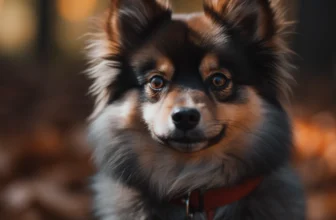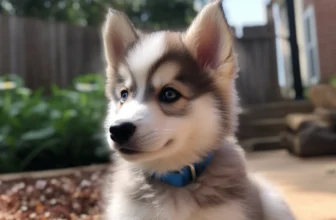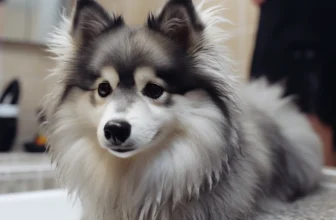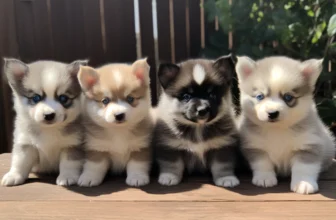
Owning a Pomsky can be a fun and rewarding experience, but there are also some challenges that come along with it. Before you decide to add a Pomsky to your family, be sure to do your research and consider all of the pros and cons.
What are the pros and cons of owning a pomsky
Pomskies are a popular designer dog breed that is a mix of a Pomeranian and a Siberian Husky. They are known for their small size, friendly personality, and cute appearance. However, like all dog breeds, there are pros and cons to owning a pomsky.
One of the main pros of owning a pomsky is that they make great companion dogs. They are loyal and loving towards their owners and love spending time with them. They are also relatively low-maintenance dogs, making them ideal for busy people or those who live in small apartments. Another pro is that pomskies are relatively intelligent and easy to train.
However, there are also some cons to owning a pomsky. One of the biggest is that they require a lot of exercise. Without enough physical and mental stimulation, pomskies can become bored and destructive. They are also escape artists, so it is important to make sure they have a secure fence or enclosure. Additionally, pomskies can be aggressive towards other animals if not properly socialized from a young age.
Overall, pomskies make great pets for the right owner. They are loving and loyal companions that will bring joy to your life. However, it is important to be aware of the cons before making the commitment to owning one.
Are pomskies good family dogs
Pomskies are a mix between a Pomeranian and a Siberian Husky, two breeds of dogs that couldn?€?t be more different. Pomeranians are small, cuddly, and affectionate lap dogs while Siberian Huskies are large, independent, and work-oriented. So, what happens when you mix the two?
The result is a dog that has the best of both worlds: a loving companion that is also an energetic worker. Pomskies make excellent family dogs because they are loyal and protective of their loved ones, but they also have plenty of energy to go on long walks or runs with the family.
One thing to keep in mind with pomskies is that they require a lot of exercise. If they don?€?t get enough physical activity, they can become bored and destructive. But as long as you?€?re prepared to give them the attention and exercise they need, pomskies make wonderful, loving family dogs.
How much exercise do pomskies need
Pomskies are a relatively new dog breed, so there is still some debate about how much exercise they need. Some people say that pomskies need a lot of exercise, while others say that they don’t need as much as other breeds.
So, how much exercise do pomskies need? Well, it really depends on the individual dog. Some pomskies are high energy and will need a lot of exercise, while others are more low key and won’t need as much.
If you’re not sure how much exercise your pomsky needs, it’s best to talk to your vet or a qualified dog trainer. They will be able to give you specific advice based on your dog’s individual needs.
In general, though, most pomskies will do well with at least 30 minutes of exercise per day. This can be a walk, a run, or even just playing in the backyard. Just make sure that your pomsky is getting the exercise he or she needs to stay happy and healthy!
What is the average lifespan of a pomsky
Pomskies are a relatively new hybrid dog breed, so there isn?€?t a ton of information available about their lifespan. However, based on the lifespans of their parent breeds (the Pomeranian and the Siberian Husky), it?€?s safe to say that pomskies have an average lifespan of 12-15 years.
This is a pretty good lifespan for a dog, especially considering that many purebred dogs only live 10-12 years on average. So, if you?€?re looking for a dog with a good chance of living a long and healthy life, a pomsky may be a good option for you.
Of course, as with any dog, there are always exceptions to the rule. Some pomskies may live shorter lives due to health problems or accidents, while others may live well into their teens or even early 20s. It really just depends on the individual dog.
So, if you?€?re thinking about getting a pomsky, don?€?t let worries about their lifespan dissuade you ?€? they?€?re actually quite resilient little dogs with a lot of love to give.
Are pomskies easy to train
Are pomskies easy to train? It’s a common question potential pomsky owners ask. And the answer is… it depends!
Pomskies are a mix of two very different breeds – the Pomeranian and the Siberian Husky. So, you could say they inherit the best (and worst!) of both worlds when it comes to training.
On the plus side, pomskies are intelligent dogs that are quick to learn new things. They’re also very food-motivated, which means they’ll be more likely to listen if you have some tasty treats on hand.
However, pomskies can also be stubborn and independent, just like their Husky parents. This can make them difficult to train at times.
The key to success is to start training early, be consistent with your commands, and use positive reinforcement methods such as praise and rewards. If you do all of this, you should find that your pomsky is a quick learner who is a joy to train.
Do pomskies bark a lot
When it comes to pomskies, the question of how much they bark is a common one. And it?€?s not surprising given that this hybrid combines two breeds known for being yappy ?€? the Pomeranian and the Siberian Husky.
So do pomskies bark a lot? It really depends on the individual dog and its temperament. Some pomskies may bark very little, while others may be more vocal. However, on average, pomskies tend to bark more than most other dog breeds.
If you?€?re considering getting a pomsky and are worried about the amount of barking, it?€?s important to discuss this with the breeder. They will be able to give you more information on the specific dog?€?s personality and whether they think it will be a good fit for your home.
In general, pomskies make great companion dogs and are relatively easy to train. With early socialisation and training, they can learn to control their barking. So if you?€?re looking for a fun-loving and loyal dog, a pomsky may just be the perfect choice for you!
Are pomskies good guard dogs
Are pomskies good guard dogs?
It’s a question that many potential dog owners ask themselves when they’re looking for a new furry friend. After all, who doesn’t want a dog that will protect their home and family? And what could be cuter than a little pom-poo mix?
Unfortunately, there’s no easy answer to this question. While some pomskies make great guard dogs, others are more interested in cuddling than in protecting their homes. It really depends on the individual dog’s personality.
So, if you’re considering getting a pomsky and are looking for a guard dog, here are a few things to keep in mind.
First, it’s important to remember that no dog is guaranteed to be a good guard dog. Even the biggest, baddest breeds can be sweet as pie when it comes to their families. And, conversely, even the smallest breeds can have a strong protective instinct.
That said, there are certain traits that tend to make a good guard dog. For example, most guard dogs need to be intelligent and easily trainable. They also need to be alert and attentive, with a strong sense of pack loyalty.
Interestingly, these are also all qualities that are often found in pomskies. So, it’s not surprising that many pomskies make excellent guard dogs.
Of course, even the best-behaved pomsky can’t protect your home if he’s not properly trained. Any dog, no matter what his size or breed, needs to be taught basic obedience commands like sit, stay, come, and down. He also needs to know how to respond to your commands when someone strange is at the door or in the yard.
Fortunately, pomskies are typically very intelligent and eager to please, so they usually excel at obedience training. Once your pomsky knows the basics, you can start working on specific guard dog training exercises.
There are a number of different ways to train your pomsky to be a good guard dog. You can start by teaching him basic barking commands like “speak” and “quiet.” Once he has mastered those commands, you can move on to more advanced techniques like teaching him to bark only when someone comes into your yard or when you give the command.
You should also work on socialization exercises with your pomsky from an early age. This will help him become comfortable around people and other animals, which is important for any potential guard dog. Start by introducing him to as many different people and animals as possible, and continue socializing him throughout his life.
If you’re looking for a small breed dog with the potential to be a great guard dog, then a pomsky might be the perfect choice for you. Just remember that no dog is guaranteed to be a good guard dog, and even the best-trained pomsky can’t protect your home if he’s not properly socialized.
How much do pomskies shed
Pomskies are a relatively new designer breed, and as such, there is still much unknown about them ?€? including how much they shed. This can be a big concern for potential owners, as no one wants to deal with constant dog hair around the house. So, just how much do pomskies shed?
The truth is, it depends on the individual dog. Some pomskies may shed very little, while others may shed more heavily. However, as a general rule, pomskies are considered to be light shedders. This means that they won?€?t leave behind huge piles of hair like some other breeds (such as huskies) ?€? but you may still find the odd stray hair on your clothes or furniture.
If you?€?re worried about shedding, there are a few things you can do to help minimise it. First, make sure you brush your pomsky regularly (at least once a week). This will help to remove any loose hair before it has a chance to fall out and end up on your floors. You can also try using a specialised anti-shedding shampoo and conditioner when you bathe your dog, which can help to reduce the amount of hair that is lost in the first place.
Ultimately, whether or not a pomsky sheds is down to genetics ?€? so if you?€?re really concerned about it, speak to the breeder before you commit to buying a puppy. They will be able to tell you more about the shedding tendencies of the parents, and therefore give you a better idea of what to expect from your own pomsky.
What is the best diet for a pomsky
A pomsky is a hybrid of a Pomeranian and a Siberian Husky. As such, they can be prone to some of the health problems of both breeds, including weight gain. To keep your pomsky healthy, it?€?s important to feed them a nutritious diet that meets their energy needs.
While there is no ?€?one size fits all?€? diet for pomskies, there are some general guidelines you can follow to ensure your furry friend is getting the nutrients they need. Here are a few tips for choosing the best diet for a pomsky:
1. Choose a high-quality food designed for small breeds.
Pomskies are small dogs, so they need a food that is specifically designed for their size. Look for a food that is high in protein and fat and low in carbohydrates. This will help your pomsky maintain a healthy weight and have enough energy to play and exercise.
2. Avoid foods with fillers and artificial ingredients.
Fillers like corn and wheat are common in many dog foods, but they offer little nutritional value and can cause weight gain. Artificial ingredients like flavorings and colorings are also best avoided, as they can be harmful to your pomsky?€?s health.
3. Feed multiple small meals per day.
Pomskies have small stomachs, so it?€?s best to feed them several small meals throughout the day instead of one large one. This will help prevent indigestion and keep their energy levels up.
4. Add some variety to their diet.
Pomskies are adventurous eaters, so don?€?t be afraid to mix things up and give them a variety of different foods. Just make sure whatever you feed them is high-quality and nutritious.
5. Talk to your veterinarian about the best diet for your pomsky.
If you?€?re not sure what type of food is best for your pomsky, talk to your veterinarian. They can help you choose a food that meets your pet?€?s unique needs and give you specific feeding recommendations.
What health problems do pomskies commonly have
Pomskies are a relatively new designer breed of dog, created by crossing a Pomeranian with a Siberian Husky. While they are typically healthy dogs, there are some health problems that pomskies commonly have.
One of the most common health problems pomskies have is luxating patellas. This is a condition in which the kneecap slips out of place. It can be painful for the dog and may require surgery to correct.
Another common health problem in pomskies is congenital deafness. This is a condition where the dog is born deaf. It is not painful for the dog, but it does make training and communication more difficult.
Pomskies also tend to have a lot of allergies. They can be allergic to pollen, grass, dust, and even certain types of food. If your pomsky has allergies, you will need to work with your veterinarian to find the best way to manage them.
Lastly, pomskies are also prone to obesity. This is because they have a lot of energy and tend to eat more than they need. If you think your pomsky is overweight, talk to your veterinarian about the best way to help them lose weight safely.