
Quick answer
Choose a short name that is easy to say and does not sound too similar to everyday cues. Test it aloud, make sure every household member can use it consistently, and pair it with rewards so the dog develops a positive response.
A dog's name does not determine personality, and it can be changed. When changing it, use the new name before meals, play, and other positive events, then phase out the old name gradually.
What to verify
- Choose a short name that is distinct from everyday cues.
- Pair the name with rewards so the dog develops a positive response.
- A name can be changed gradually and does not determine personality.
Sources and further reading
Last updated: June 19, 2026
This guide is educational only. It is not a puppy listing, breeder endorsement, veterinary diagnosis, or guarantee of adult size, coat, or temperament. See the health disclaimer, editorial policy, and affiliate disclosure.
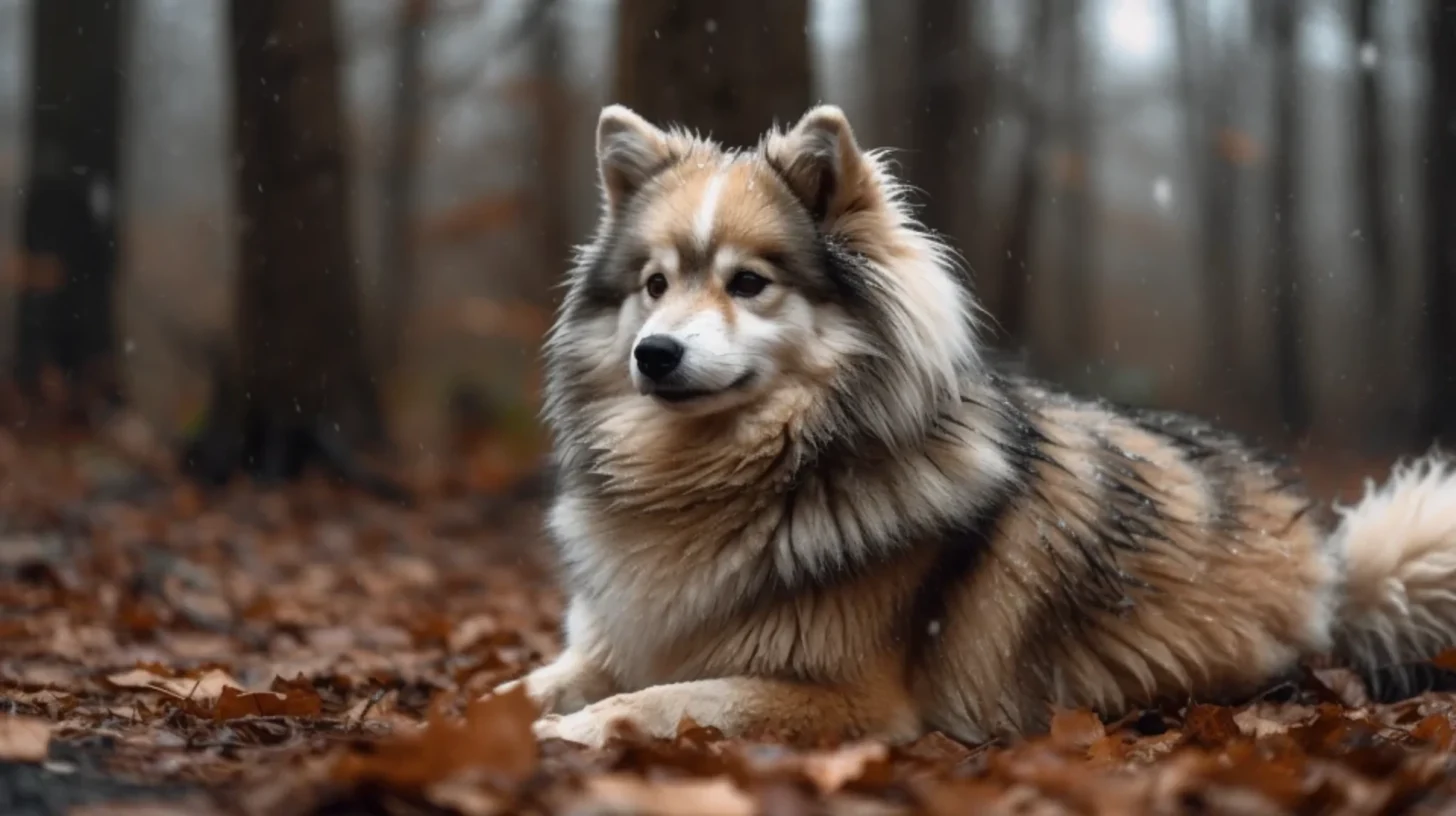
Quick answer: "Pomsky Australian Shepherd Pomeranian mix" is not a standard breed name. It is usually mixed-breed wording that needs clarification. A Pomsky already points to Siberian Husky and Pomeranian ancestry, while Australian Shepherd wording may mean a Pomsky crossed with an Australian Shepherd, an Aussie-influenced mix, or a loose marketing phrase. Ask for parent records before assuming size, temperament, coat, or care needs.
The old page answered broad Pomsky questions, but it did not explain why the Australian Shepherd wording changes the decision. This rewrite keeps the search intent while making the page safer and more useful: decode the name, compare possible parent traits, plan for grooming and training, and avoid breeder or listing red flags.
Pomsky Australian Shepherd Pomeranian Mix at a Glance
| Question | Safe answer | What to verify |
| Is it a standard breed? | No. Treat it as mixed-breed wording. | Exact parent breeds and records. |
| Is it still a Pomsky? | Maybe. The seller must explain how Australian Shepherd fits in. | Whether one parent is a Pomsky, Aussie, Pomeranian, Husky, or another mix. |
| Will it stay small? | Not guaranteed. Australian Shepherd influence can change size expectations. | Parent size, generation, and prior adult offspring. |
| Will it be easy? | Do not assume that. This can be a smart, energetic mix. | Training, exercise, herding-style behaviors, and grooming workload. |
| Should you buy from a listing only? | No. Pictures are not enough. | Health records, temperament notes, contract, and support. |
How This Page Differs From Other Mix Guides
Pomsky Poodle Mix FAQ covers Poodle influence, coat uncertainty, and hypoallergenic claims. Corgi Pomsky Mix covers Corgi body structure and herding-style habits. What Are Pomskies? explains the base Pomsky idea. Pomsky size covers growth and adult-size expectations.
This page has a different job: it explains Australian Shepherd plus Pomsky/Pomeranian wording and helps readers decide whether the care load makes sense before they focus on a cute photo.
Decode the Name Before You Trust It
The phrase can mean several different things. It might mean a Pomsky crossed with an Australian Shepherd. It might mean a dog with Husky, Pomeranian, and Australian Shepherd ancestry. It might mean a seller using several popular breed names to describe appearance.
Do not solve that uncertainty by guessing. Ask the seller to describe each parent, each parent's size, temperament, coat, health records, and whether either parent is itself a mix. If the answer keeps changing, slow down.
What the Australian Shepherd Side Can Add
Australian Shepherds are often associated with intelligence, energy, handler focus, and herding background. In a mix, that can show up as quick learning, strong movement interest, chasing games, sensitivity to routine, and a need for training jobs.
That can be enjoyable for active owners. It can be frustrating for owners who want a low-effort companion. A smart dog with no outlet may bark, chase, nip at movement, shred toys, guard space, or invent its own job.
What the Pomsky and Pomeranian Side Can Add
A Pomsky can contribute spitz coat, vocal behavior, compact size, alertness, and a Husky-like look. Pomeranian influence can add confidence, watchfulness, and a bold personality in a smaller body. None of those traits are guaranteed in a neat percentage.
This is why individual observation matters. A puppy may look like one side and behave more like another. A mature adult may be easier to evaluate because size, coat, energy, and temperament are already visible.
Size Expectations
Size is one of the biggest reasons to be careful with this phrase. A standard Pomsky size estimate may not apply if Australian Shepherd is part of the recent parentage. An Australian Shepherd-influenced mix may grow taller, heavier, or more athletic than a buyer expects from the word Pomsky.
Ask for realistic ranges, not exact promises. Compare parent size, age, sex, body condition, and previous litters when available. If your housing, travel, stairs, or lifting ability depends on adult size, this may not be the right mix unless records are unusually clear.
Temperament and Daily Routine
A good daily routine should include movement, sniffing, training, calm time, handling practice, and predictable rest. This mix may need both physical exercise and mental work. A walk alone may not be enough if the dog is under-challenged or over-aroused.
Plan short training sessions, food puzzles, leash manners, recall games, grooming handling, and settle cues. Keep the routine realistic. A complicated plan that only works for a weekend will not help the dog long term.
A Realistic Daily Schedule
A realistic day might start with a potty trip, a short walk, breakfast, and a few minutes of training before the household gets busy. Midday may need a sniff break, chew, puzzle feeder, or calm crate period. Evening should include another walk, play or training, grooming checks, dinner, and a wind-down routine.
The exact schedule can change with age and health, but the pattern matters: movement, brain work, rest, and handling practice. A dog that gets only excitement and no calm practice may struggle to settle. A dog that gets only rest and no job may create its own activity.
Herding-Style Behavior
Australian Shepherd influence can bring herding-style behavior in some dogs. Watch for chasing feet, circling children, nipping at running pets, staring, body blocking, or becoming too excited by bikes, scooters, and fast movement.
Those behaviors need management and training, not punishment. Use leashes, gates, calm breaks, structured play, and professional help when needed. Families with young children should be honest about supervision time before choosing this kind of mix.
Grooming and Shedding
Expect coat maintenance. Pomsky, Pomeranian, Husky, and Australian Shepherd influences can all contribute coat density, seasonal shedding, feathering, and mats if brushing is skipped. The exact coat may be shorter, fluffy, dense, or mixed.
Check behind ears, under the collar, armpits, tail, rear legs, and belly. A groomer can help set a routine, but owners still need home brushing. Do not assume this mix is low-shedding or allergy-safe.
Training Priorities
Start with the behaviors that prevent everyday friction: name response, recall, leash walking, leave-it, settle on a mat, crate comfort, polite greetings, and calm handling. Keep lessons short and reward the behavior you want to see again.
For a dog with possible herding influence, pay special attention to movement triggers. Practice watching bikes, children running, door activity, and other dogs from a distance before asking for close greetings. Distance and calm repetitions help more than waiting for the dog to explode and then correcting it.
Exercise and Apartment Fit
Apartment living can work for some individuals, but only with real outlets. Noise, energy, leash reactivity, and alone-time frustration can become bigger problems in shared housing. A smaller body does not remove the need for structure.
Before choosing one, decide who handles morning exercise, evening decompression, rainy-day enrichment, and training when the dog is excited. If that plan is vague, the dog may be blamed for a routine problem.
Health Records and Veterinary Care
This page does not diagnose disease or promise risk levels. The useful step is to ask for veterinary exams, vaccination records, parasite prevention, parent health information, and any known issues in related dogs. Mixed ancestry does not remove the need for records.
After adoption, track appetite, stool, weight, skin, coat, energy, limping, vomiting, itching, and behavior changes. The Pomsky health maintenance checklist can help you organize routine notes.
Family and Other Pets
Some dogs in this category can be affectionate family companions. Others may be too intense for homes with very young children, small pets, or little time for training. Match the individual dog to the household, not the breed names in the title.
Ask how the dog behaves around children, cats, dogs, visitors, food, toys, grooming, and sudden movement. Good family fit is observed and managed. It is not created by a label.
Questions to Ask Before You Choose One
- What exactly are the parent breeds and mixes?
- Is either parent a Pomsky, Australian Shepherd, Pomeranian, Husky, or another mix?
- What adult size range is realistic, and what evidence supports it?
- What coat type and shedding pattern have you observed in relatives?
- Does the dog show herding, chasing, barking, or separation-stress signs?
- What health records, veterinary exams, and support are included?
Red Flags in Listings
- The seller cannot clearly explain the parentage.
- The listing uses many breed names but gives no records.
- Adult size is promised as exact.
- The dog is marketed as allergy-safe without evidence.
- The listing focuses only on eye color, coat color, or cuteness.
- You are pressured to pay before asking basic care questions.
Who Is a Good Fit?
A good fit is an owner who likes training, can handle shedding, can provide daily exercise, and is willing to evaluate an individual mixed dog without expecting perfect predictability. This can be a rewarding dog for active people who enjoy structure.
A poor fit is a household that needs quiet, exact adult size, low shedding, minimal exercise, and no behavior management. That household may do better with a more predictable adult dog or a different breed type.
Puppy or Adult?
A puppy gives you more time to shape habits, but it also gives you more uncertainty. Adult size, mature coat, true energy level, sound sensitivity, and herding-style behavior may not be obvious yet. Puppies also require potty training, teething management, socialization, and frequent supervision.
An adult may be easier to evaluate. You can see size, coat, noise level, leash behavior, grooming tolerance, and reactions to people or dogs. If your household has strict limits, an adult mixed dog with known behavior may be safer than a puppy chosen mostly from photos.
How to Compare Listings
Make a simple comparison sheet before contacting sellers. Include parent information, adult-size estimate, health records, temperament notes, socialization, price, contract, return support, and what the seller says about Australian Shepherd influence. This keeps the conversation factual.
Do not rank listings by the cutest image first. Rank them by clarity and support. A plain listing with honest records is usually more useful than a polished listing with vague breed words and pressure to pay quickly.
When Another Mix Page Is More Useful
If the main question is shedding or allergy expectations, compare this guide with the Pomsky Poodle Mix FAQ. If the main question is a long body, short legs, or herding behavior from a Corgi side, use the Corgi Pomsky mix guide. If the only concern is adult weight, start with the Pomsky size guide. That keeps each page focused and reduces duplicate advice.
First Week Setup
Prepare a simple first-week plan: food, sleep area, potty route, leash routine, quiet time, grooming handling, and a place to decompress. Keep visitors limited until the dog has settled. Too much excitement can hide useful behavior signals.
Record what you see. Note barking triggers, movement chasing, crate comfort, appetite, stool, grooming tolerance, and sleep. Early notes help you adjust the routine before small issues become habits.
Frequently Asked Questions
Is a Pomsky Australian Shepherd Pomeranian mix real?
It can be, but the name must be explained. Ask for parent records and do not assume the phrase describes a standardized breed.
How big will this mix get?
Adult size can vary widely. Parent size, generation, sex, growth, and individual genetics matter more than the title of a listing.
Is this mix good with children?
It depends on the individual dog, socialization, training, and supervision. Herding-style chasing or nipping needs careful management around children.
Does this mix need a lot of grooming?
Often, yes. The possible coat influences can shed and mat, so plan for regular brushing and coat checks.
Is this a good apartment dog?
Some individuals can adapt, but only with exercise, training, enrichment, and barking management. Shared housing makes planning more important.
Should I use Product schema for this page?
No. This is an educational owner-fit guide, not a puppy listing, breeder review, or product recommendation.
Related Pomsky Guides
- Pomsky Poodle Mix FAQ
- Corgi Pomsky mix guide
- What are Pomskies?
- Pomsky size guide
- How to take care of a Pomsky
- Pomsky health maintenance checklist
- Editorial policy
- Health disclaimer
- Affiliate disclosure