Written and reviewed by A Pomsky Editorial Team. Originally published 2026-07-26; substantively reviewed July 26, 2026.
Training boundary: Use humane, reward-based methods and protect safety with management. Pain, panic, aggression, a bite history, or serious handling risk requires a veterinarian or qualified behavior professional. Read the editorial policy.
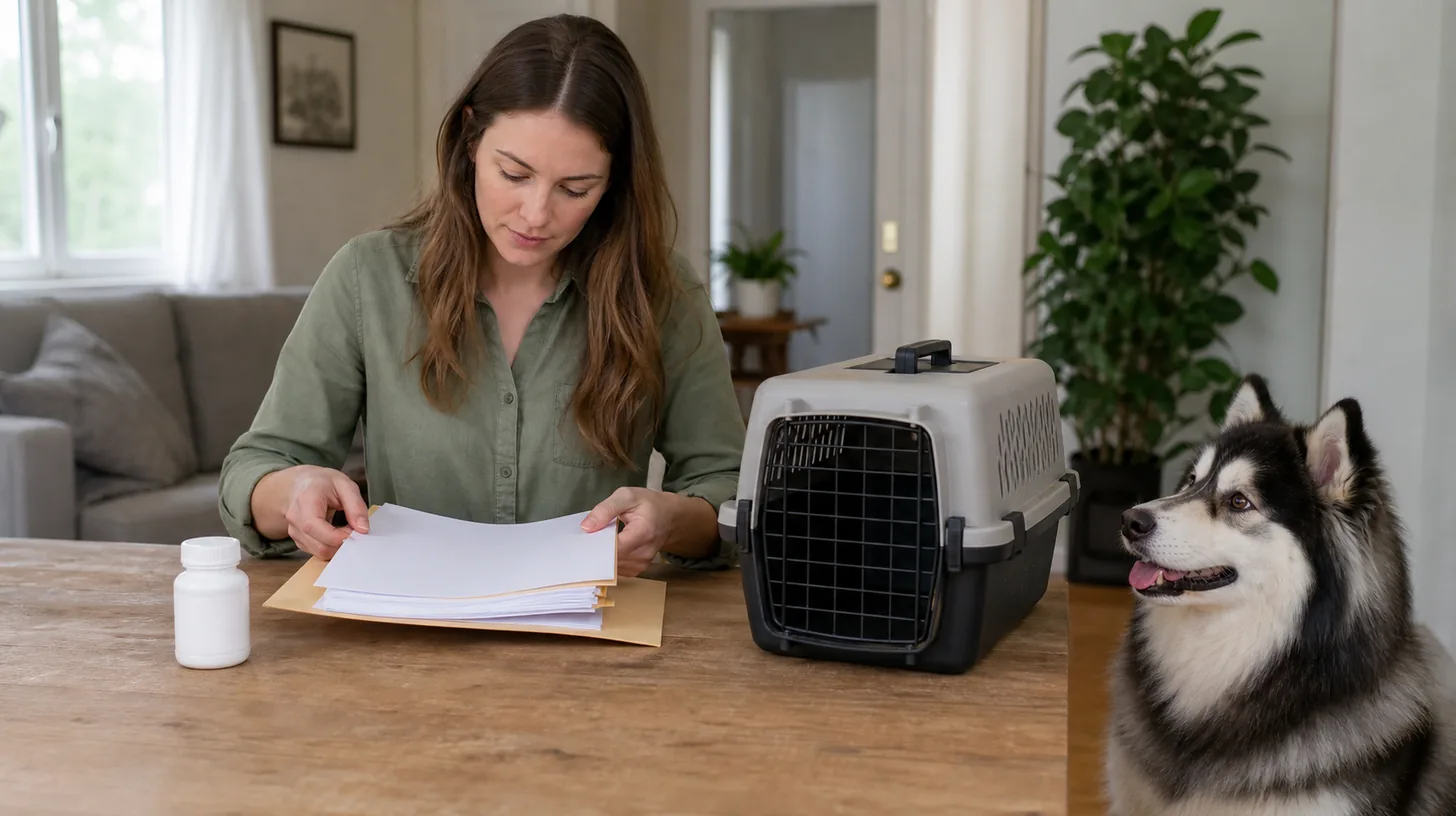
Direct answer: Confirm the clinic-defined reason, timing and arrival instructions for the recheck. Bring the original discharge or treatment directions, current medication labels, requested logs or media, complete source test reports and a short list of unresolved questions. Record direct observations without diagnosing, do not change care independently, prepare safe transport, and contact the clinic sooner if deterioration or conflicting instructions appear.
A veterinary recheck has a clinic-defined purpose: reassess a sign, treatment response, wound, medication, test result, recovery limit, or another specific question. Preparation should make that purpose easier to review without interpreting findings at home. The caregiver preserves source instructions, current labels, requested logs and complete reports, records direct observations, prioritizes unresolved questions, and contacts the clinic before the scheduled visit when deterioration, conflict, or an urgent sign appears.
Confirm the Recheck Purpose
Ask which condition, procedure, sign, medication, result, restriction, or response the clinic plans to reassess and what would change timing.
Perform this check before adding the next variable. The target remains a recheck packet and transport plan matched to the clinic-defined follow-up purpose without home diagnosis or independent care changes. Work in a secure record area with appointment instructions, source discharge pages, medication labels, complete reports, observation log, questions, and carrier. If the setup cannot preserve that condition, simplify it or stop rather than relying on speed or physical control. In this routine, step 1 is the confirm the recheck purpose decision.
Stop when the expected condition is absent or the situation begins to depend on force, luck, or an open boundary. Specifically avoid wrong appointment purpose, altered instructions, stale medication list, cropped reports, home interpretation, delayed urgent contact, privacy exposure, or unsafe transport. The follow-up record should cover clinic, recheck purpose, date, arrival direction, source instruction, medication label, observation, requested media, report version, question, conflict, and contact. Record the result of confirm the recheck purpose before continuing.
Retrieve Original Source Instructions
Bring complete discharge, treatment, restriction, wound-care, feeding, medication, monitoring, and contact pages without rewriting them.
Use an observable pass condition: the relevant item is checked, the boundary is closed, and the Pomsky can remain safe without being used as a test. This protects the main objective, a recheck packet and transport plan matched to the clinic-defined follow-up purpose without home diagnosis or independent care changes, while leaving a clear point at which the caregiver can step back. In this routine, step 2 is the retrieve original source instructions decision.
The absence of an incident is not proof that the arrangement is sound. Recheck for wrong appointment purpose, altered instructions, stale medication list, cropped reports, home interpretation, delayed urgent contact, privacy exposure, or unsafe transport. Document clinic, recheck purpose, date, arrival direction, source instruction, medication label, observation, requested media, report version, question, conflict, and contact so a later caregiver can distinguish a passed step from one that was skipped. Record the result of retrieve original source instructions before continuing.
Reconcile Current Medication Labels
Match the exact Pomsky, product, prescriber, label, measuring device, storage, administration record, recent changes, and unresolved discrepancies.
Keep the sequence repeatable across caregivers. Say what is being checked, complete it, and return equipment and people to neutral before continuing. In this page's context, success means a recheck packet and transport plan matched to the clinic-defined follow-up purpose without home diagnosis or independent care changes; it does not mean proving that a known risk can be tolerated. In this routine, step 3 is the reconcile current medication labels decision.
If the Pomsky cannot remain comfortable or the equipment and environment cannot remain controlled, end the attempt. Do not proceed through wrong appointment purpose, altered instructions, stale medication list, cropped reports, home interpretation, delayed urgent contact, privacy exposure, or unsafe transport. Capture clinic, recheck purpose, date, arrival direction, source instruction, medication label, observation, requested media, report version, question, conflict, and contact before deciding what changes next. Record the result of reconcile current medication labels before continuing.
Summarize Direct Observations
Record dated facts about appetite, water, elimination, mobility, sleep, breathing, behavior, wound appearance, or other clinic-requested items without diagnosis.
Treat this as one part of the complete routine, not an isolated trick. The surrounding setup is a secure record area with appointment instructions, source discharge pages, medication labels, complete reports, observation log, questions, and carrier. A clean transition reduces ambiguity and makes it easier to notice when the dog, equipment, environment, or records differ from the previous attempt. In this routine, step 4 is the summarize direct observations decision.
Do not convert this step into a stress test. The principal avoidable risks are wrong appointment purpose, altered instructions, stale medication list, cropped reports, home interpretation, delayed urgent contact, privacy exposure, or unsafe transport. Write down clinic, recheck purpose, date, arrival direction, source instruction, medication label, observation, requested media, report version, question, conflict, and contact; a short factual note is more useful than a reassuring guess. Record the result of summarize direct observations before continuing.
Preserve Complete Test Reports
Keep source, collection and report dates, units, reference information, comments, amendments, and all pages linked to the ordering visit.
Pause long enough to inspect the result rather than assuming the action worked. Look at the dog, the physical boundary, and the next movement available to the caregiver. Continue only when the arrangement still supports a recheck packet and transport plan matched to the clinic-defined follow-up purpose without home diagnosis or independent care changes. In this routine, step 5 is the preserve complete test reports decision.
Stop when the expected condition is absent or the situation begins to depend on force, luck, or an open boundary. Specifically avoid wrong appointment purpose, altered instructions, stale medication list, cropped reports, home interpretation, delayed urgent contact, privacy exposure, or unsafe transport. The follow-up record should cover clinic, recheck purpose, date, arrival direction, source instruction, medication label, observation, requested media, report version, question, conflict, and contact. Record the result of preserve complete test reports before continuing.
Prepare Requested Media and Logs
Select only relevant original photos, videos, measurements, or logs, preserve dates, and avoid editing that changes clinical context.
A second capable adult can verify the boundary during early practice or higher-risk situations. That person should follow the same sequence and avoid adding prompts, handling, or access that changes the task. The shared standard remains a recheck packet and transport plan matched to the clinic-defined follow-up purpose without home diagnosis or independent care changes. In this routine, step 6 is the prepare requested media and logs decision.
The absence of an incident is not proof that the arrangement is sound. Recheck for wrong appointment purpose, altered instructions, stale medication list, cropped reports, home interpretation, delayed urgent contact, privacy exposure, or unsafe transport. Document clinic, recheck purpose, date, arrival direction, source instruction, medication label, observation, requested media, report version, question, conflict, and contact so a later caregiver can distinguish a passed step from one that was skipped. Record the result of prepare requested media and logs before continuing.
Prioritize Questions by Decision
Group questions about current instructions, observed change, result meaning, next step, restriction, monitoring, and follow-up rather than creating a diagnosis list.
Perform this check before adding the next variable. The target remains a recheck packet and transport plan matched to the clinic-defined follow-up purpose without home diagnosis or independent care changes. Work in a secure record area with appointment instructions, source discharge pages, medication labels, complete reports, observation log, questions, and carrier. If the setup cannot preserve that condition, simplify it or stop rather than relying on speed or physical control. In this routine, step 7 is the prioritize questions by decision decision.
If the Pomsky cannot remain comfortable or the equipment and environment cannot remain controlled, end the attempt. Do not proceed through wrong appointment purpose, altered instructions, stale medication list, cropped reports, home interpretation, delayed urgent contact, privacy exposure, or unsafe transport. Capture clinic, recheck purpose, date, arrival direction, source instruction, medication label, observation, requested media, report version, question, conflict, and contact before deciding what changes next. Record the result of prioritize questions by decision before continuing.
Resolve Conflicts Before Travel
Contact the clinic when labels, discharge pages, portal messages, caregiver records, or appointment directions disagree instead of choosing one silently.
Use an observable pass condition: the relevant item is checked, the boundary is closed, and the Pomsky can remain safe without being used as a test. This protects the main objective, a recheck packet and transport plan matched to the clinic-defined follow-up purpose without home diagnosis or independent care changes, while leaving a clear point at which the caregiver can step back. In this routine, step 8 is the resolve conflicts before travel decision.
Do not convert this step into a stress test. The principal avoidable risks are wrong appointment purpose, altered instructions, stale medication list, cropped reports, home interpretation, delayed urgent contact, privacy exposure, or unsafe transport. Write down clinic, recheck purpose, date, arrival direction, source instruction, medication label, observation, requested media, report version, question, conflict, and contact; a short factual note is more useful than a reassuring guess. Record the result of resolve conflicts before travel before continuing.
Prepare Safe Arrival and Transport
Check carrier or restraint, route, parking, check-in, waiting options, required fasting or sample directions, and accessibility only from current clinic instructions.
Keep the sequence repeatable across caregivers. Say what is being checked, complete it, and return equipment and people to neutral before continuing. In this page's context, success means a recheck packet and transport plan matched to the clinic-defined follow-up purpose without home diagnosis or independent care changes; it does not mean proving that a known risk can be tolerated. In this routine, step 9 is the prepare safe arrival and transport decision.
Stop when the expected condition is absent or the situation begins to depend on force, luck, or an open boundary. Specifically avoid wrong appointment purpose, altered instructions, stale medication list, cropped reports, home interpretation, delayed urgent contact, privacy exposure, or unsafe transport. The follow-up record should cover clinic, recheck purpose, date, arrival direction, source instruction, medication label, observation, requested media, report version, question, conflict, and contact. Record the result of prepare safe arrival and transport before continuing.
Know When Not to Wait
Use the clinic or emergency route promptly for deterioration or urgent signs rather than completing documents or waiting for the scheduled recheck.
Treat this as one part of the complete routine, not an isolated trick. The surrounding setup is a secure record area with appointment instructions, source discharge pages, medication labels, complete reports, observation log, questions, and carrier. A clean transition reduces ambiguity and makes it easier to notice when the dog, equipment, environment, or records differ from the previous attempt. In this routine, step 10 is the know when not to wait decision.
The absence of an incident is not proof that the arrangement is sound. Recheck for wrong appointment purpose, altered instructions, stale medication list, cropped reports, home interpretation, delayed urgent contact, privacy exposure, or unsafe transport. Document clinic, recheck purpose, date, arrival direction, source instruction, medication label, observation, requested media, report version, question, conflict, and contact so a later caregiver can distinguish a passed step from one that was skipped. Record the result of know when not to wait before continuing.
When to Stop and Escalate
Stop when the Pomsky, caregiver, equipment, records, or environment no longer supports a recheck packet and transport plan matched to the clinic-defined follow-up purpose without home diagnosis or independent care changes. Do not improvise through wrong appointment purpose, altered instructions, stale medication list, cropped reports, home interpretation, delayed urgent contact, privacy exposure, or unsafe transport. Seek the treating veterinary team for purpose, timing, interpretation, medication, testing, urgency, restrictions, and follow-up and emergency care for urgent deterioration. Bring the factual observations already collected rather than recreating the event.
Before another attempt, review clinic, recheck purpose, date, arrival direction, source instruction, medication label, observation, requested media, report version, question, conflict, and contact. Resume only after the responsible person, physical setup, and controlling instructions are clear. A stop is part of the protocol: it preserves useful evidence and prevents uncertainty from becoming exposure.
Keep the Routine Current
Recheck the complete setup whenever the dog, household, product, instructions, environment, or purpose changes. The intended outcome remains a recheck packet and transport plan matched to the clinic-defined follow-up purpose without home diagnosis or independent care changes, not a perfect-looking performance. Use the newest primary instruction, retain dated records, and retire superseded assumptions so every caregiver begins from the same current plan.
Sources reviewed
Each source is used only for the claim scopes listed below. None establishes a guaranteed Pomsky outcome or replaces individual professional assessment.
- American Animal Hospital Association: AAHA-AVMA Canine Preventive Healthcare Guidelines - Supports: preventive exams; individual risk assessment; parasite and vaccination planning. Limit: The veterinarian sets the schedule for the individual dog and location.
- Cornell University College of Veterinary Medicine eClinpath: Reference Intervals - Supports: laboratory-specific reference intervals; instrument and method dependence; limits of cross-laboratory comparison; patient-context interpretation. Limit: The resource explains interpretation boundaries; it does not diagnose an individual Pomsky or replace the ordering veterinary team.